2018 június 18-án. A kiállítás október 18-ig látható.
Lajta Gábor
Neki tizennyolc
Elekes Károly: Kettős látás
Nem emlékszem már, hogy mikor hallottam először Elekes Károlyt a tizennyolcas számról beszélni, de tudom, hogy rendre felbukkan az életében. Kíséri és kísérti. A számmisztika bonyolult és komoly tudás, a számnak van matematikája, geometriája, metafizikája, antropológiája. A számok formákat vesznek fel, legyen szó mértani alakzatról vagy írásképről – utóbbi erőteljesen változott még a hindu-arab számíráson belül is. Elekesnek, a festőnek megtetszett a 18-as szám formája, különösen az, hogy „elfordítva: mínusz végtelen”. * A lefektetett nyolcas, a végtelen jele, többféle hublot replica alakban látható a képein, például egy megkettőzött glória vagy Möbius-szalag formájában. Elekes minden évben 18 képet fest, az adott hónap 18-áján fejezi be, 18-án állítja ki, s 2018-ig folytatná a képsorozatot, amelyet tizenöt éve kezdett el, akkor, amikor már egy ideje szakított a hagyományos képalkotással, sőt ellene fordult annak, hogy az egyéni kézjegyű, kijegecesedett stílusú műveket szaporítsa – van belőlük épp elég a világon, túl sok is – mondta. Hogy ne gyarapítsa a meglévő művek mennyiségét, elfeledett vagy sosem ismert vasárnapi festők alkotótársául szegődött, s a használtcikk piacon sínylődő képeikből némelyeket kiemel, továbbfesti, átdolgozza, s egyúttal meg is menti őket a teljes felejtéstől.
Nem bonyolódnék most azoknak a körülményeknek az elemzésébe, amelyek tizenöt évvel ezelőtt Elekes alkotói programját meghatározták*, s arra ösztökélték, hogy kialakítsa saját „utóvédnek” nevezett pozícióját, melyet a világszerte óriásivá növesztett alkotói én és az állandó újdonsághajszolás kényszerével szemben foglalt el, amikor lemondott a teljesen önállóművek létrehozásáról. Mégis, mindezzel együtt, azóta készülő munkái önmagukban is érvényes festmények. A felhasznált, általában siralmas állapotú és színvonalú, mégis naiv bájt és persze az idő szívszorító rombolását felmutató „alkotásokat” Elekes Károly műtermi gyakorlatában tekinthetjük akár aláfestéseknek is, mint amilyenek általában az elkezdett képek szoktak lenni, hiszen manapság a művészek gyakran egy művön belül is nagy időugrásokkal csaponganak keresztül-kasul korokon, stílusokon. A lipcsei Neo Rauch képfelületeinek egy részét például valamiféle biedermeierrel átitatott szocialista realista plakátfestészeti manír határozza meg, miközben a kép egésze hagymázas lázálomba fordul át. Elekes tehát megtehetné, hogy az őt inspiráló modorban teljesen saját maga kezdené el a képeit, de tagadhatatlan, hogy a valódi „hozott anyag” már magán viseli a múlt auráját, amit utólag ilyen hitelesen nem állíthatna elő. Másrészről pedig a talált kép Elekes számára egyfajta modell (nem véletlenül nevezi az átfestendő képet „alanynak”), mint a csendéletfestőnek a gyümölcs vagy az aktfestőnek a meztelen ember. És ahogy a modellnek egyedi karakterjegyei vannak, Elekes kép-alanyai is olyan személyes faktúrát hordoznak, amelyre ráépülve, mintegy folytatva a régi festő ecsetvonásait, saját jelenévé teheti az egykori kézműves ténykedését. Olykor a szó szoros értelmében folytatja a régi képet (más kérdés, hogy a hajdani alkotó úgy sohasem folytatta volna), hozzáfűz egy-egy motívumot, mint az egyik legsikerültebb műben, a Hírekben, ahol a Szüle Péter-stílusú képben üldögélő parasztemberek újságja Möbius-szalag módjára megtekert végtelen hírfolyammá változik, ők pedig mintha hosszú évtizedek, talán egy évszázad óta vizsgálnák rezignált, merev tekintettel ugyanazokat az ismétlődő híreket.
Ha megpróbáljuk elképzelni Elekes alkotói eljárását, amikor a kiválasztott ócskapiaci szerzemény letisztítása, a vászon újrafeszítése után hozzáfog saját munkájához – noha már a tisztítás, sőt a kiválasztás is saját munkának tekinthető –, úgy tetszik, hogy a kiszemelt kép naivan egydimenziós jelentéséhez – mint kezdőlépéshez a sakkban – hozzátesz egy újabb kijelentést, vagy megkettőz egy motívumot, ezáltal feszültség támad a képelemek között, majd további festői beavatkozások és jelek során és újabb ellentéteken át végül az utolsó ecsetvonással eljut egy nullpontra, egy patthelyzethez, amikor már minden megfogalmazható „mondanivaló” megszűnik, a „jelentés kioltódik” – Erdély Miklós kifejezésével élve. Aki azt hiszi, hogy könnyű megállni e ponton, téved. Valójában rettenetesen nehéz, s éppen ebben áll Elekes különleges képessége és művészi ihletettsége. Nem sikerülhet mindig, akarattal nem lehet előállítani. Erre az ellentétekre épülő módszerre a festő méltatói is felfigyeltek*, s Elekes is ehhez hasonló elképzelést fogalmazott meg a maga számára már 1981-ben, Sepsiszentgyörgyön: „Akkor dolgozom, ha az idea eléggé irracionális ahhoz, hogy megvalósíthassam a bizonytalanság olyan fokán, amely annyira nyitott, hogy esetleg elkerülhetem a látványos sorompókkal lezárt végkifejleteket."* Lehet, hogy Elekes már a festés megkezdésekor tisztán látja az „ideát”, de az is valószínű, hogy a „bizonytalanság” festői lépései csak a konkrét munka során realizálódnak. Ellentmondásnak tűnhet föl, ha nullpontnak vagy patthelyzetnek nevezzük azt, amit ő maga nyitottságnak, de az eredmény ugyanaz lesz: érzékelhetővé válik a feszültséggel terhes rejtély.
Elekes Károly „tunning”-festményei (szándékosan két n-el írja) első rápillantásra finoman kidolgozottnak, furcsának, de inkább szelíden groteszknek, olykor ellenállhatatlan nevetésre ingerlőnek tetszenek, ám hosszabban szemlélve feltűnik sötét tónusuk, titokzatos komorságuk, sőt gyakran fenyegető jellegük. Mindez együtt is létrejöhet, gondoljunk egy David Lynch-filmre vagy egy Bodor Ádám-novellára. S egyetértve Alain Robbe-Grillet-vel abban, hogy egy műnek nincs „mondanivalója”, hanem a megvalósítás „hogyanja” alkotja a „nagyon is kétséges tartalmát”, megállapíthatjuk, hogy az a patikamérlegen kiegyensúlyozott kettősség, amelytől Elekes Károly képeinek szelíd cizelláltsága tragikus, balladisztikus színezetet kap és olykor éles, furcsa, fenyegető, baljós árnyalatokat vesz föl – még humorba oltva is –, a festői megvalósítás, a „hogyan” fent leírt menetéből következik.
A képek láttán az önkéntelenül felszakadó, majd torkunkra fagyó nevetés oka az abszurditás, az oda-vissza ingázás a nevetés és a komorulás, a kétely és a megkönnyebbülés, a szorongás és a felszabadulás között.
Elekes vállalta és viszi tovább a közép-európai abszurd művészet, ezen belül az erdélyi szellemiség, az erdélyi irodalom és festészet örökségét, ezt a bonyolult és sokrétegű, tragikus és groteszk, humoros és önironikus, földközeli, sötét szakadékokkal szabdalt és napfoltokkal felizzított látásmódot. Még akkor is továbbviszi, amikor lázad ellene, amikor el akar szakadni e stílusjegyektől, amikor le akar számolni a saját stílussal – akkor is valójában az elszakítottságot, a személyes és művészi elszakítottságot – a nem szűnő kettősséget – éli át és mélyíti tovább. Elekes régi munkáit ismerve szembetűnik, hogy a még Erdélyben kialakított, majd Magyarországra költözve továbbvitt képi eszköztárát, a székely halmokon, havasokon megvalósuló tájművészetének elemeit, vagy a galériákban kiállított természetes- és ipari anyagokból összeállított tárgyegyütteseire emlékeztető alakzatait immár motívumszerűen belefesti a kisebbnél is kisebb mesterek olajvásznaiba. Ha ezeket az előzményeket ismerjük, egészen másnak látjuk e szelíden szürreális képeket, amelyeken az elmúlt évtizedben újdonságként metafizikai és vallásos jelképek is feltűnnek: kereszt, szentek, szerzetesek… megkettőzve, sokszorozva… Az abszurdtól tovább lépett a transzcendens felé, hogy azután a kettősség jegyében rendre visszatérjen az abszurdhoz.
Kettős látás című festményén Jézus az Olajfák Hegyén ül, a háttérben két rombusz alakú éghasadékkal, két holddal, két egybefonódó glóriával – végtelen glóriával. A végtelen jele és a festőnket kísértő (tizen)nyolcas szám egymásba játszanak. A lefektetett 18-as, a „mínusz végtelen”, ami csak a matematikában lehetséges, máskülönben abszurd gondolat, hiszen hogyan is lehetne valami valamihez képest végtelen? A „Kettős látás” festményének Jézusa is mintha éppen e végtelen horderejű kérdésen töprengene.
Úgy tetszik, Elekes Károly a képein nem meghaladni kívánja az abszurd helyzeteket, valóban nem zárja le őket „megnyugtató módon”, hanem a végsőkig feszíti, tágítja, variálja. Művei nyitottak, ő konok. Kulcsszáma 18, pedig 19-én született. Megkérdezem tőle: miért ragaszkodsz a 18-hoz, amikor 19-én születtél? Azért, mert 18-án születtem, feleli. „Egy nappal később írtak be az anyakönyvbe.”
Így már minden érthető. Elekes Károly tehát dönthet születései között. Megnyílt számára a lehetőség a tizenkilencben, ami számmisztikailag összeadva 1+9, vagyis 10, végül pedig 1+0, azaz 1. Az Egység. A teljesség.
Hirtelen felvillan bennem egy emlék. A teljesség felé. Valamikor a kilencvenes években láttam Elekes Károly kezében Weöres Sándor karcsú kis kötetét. De csak most relojes rolex imitacion értem meg, hogy micsoda kihívás lehet számára a tizenkilences, és miért vállalta, cipeli a tizennyolcat. Pedig ez még az utóvédharcnál is sokkal nehezebb.
* ”Az első 18-as fotó 1984 április 18-án készült Marosvásárhelyen a 18-as számú patika előtt amikor emigráltam, a vonat indulása előtt 18 perccel, de ez véletlen volt. Nekem leginkább a formája tetszik, és az, hogy folyton belebotlom.” (Elekes Károly levélbeli közlése)
*Elekes Károly Tunning-sorozatának elemzése során a festő motivációjáról is részletesen ír Sturcz János rendkívül alapos tanulmányában. Szkeptikus konceptualitás. Elekes Károly "tunning" képeiről. TUNNING. (Katalógus) Dorottya Galéria, 2006
*Idézi Tasnády S. Attila: Elekes Károly Mezei történetek című kiállításának megnyitóján, 2014, MemoArt Galéria
G.Horváth Boglárka: Ember embernek embere 2. 2017. szeptember 30.
EGYMÁSBÓL LÉLEGEZNI
GHorváth Boglárka, vagy ahogy valamennyien ismerjük: Bogi 2009-ben, amikor már szinte megfagyott tök fűtetlen műtermében megfestette „Nagykabátos önarckép”-ét, ezt a remek, érzékletes, erőteljes szelfit, elénk rakta, és körülbelül azóta tudjuk – családja, barátai már négyéves kora óta, ahogy meséli - , hogy vérbeli, remek festőművész. Ez a kép azt a tulajdonságát is deklarálta: szenvedéseit, kudarcait mindig avval oldja fel, hogy megfesti. Itt a fázását, máskor, amikor ezt-azt összetört csoki-nyuszitól teáskannán át kitört élű schnitzerig, valamennyit megfestette kiváló csendéletekként. Egyértelmű, Cézanne-t a tökéletesség, a teljesség vonzotta csendéleteiben, Bogit viszont nem zavarja a hiány, a hiba, az esendőség, ezeket is a világ részeinek tekinti és ugyanolyan lendületesen, jókedvű-színesen ábrázolja, mint ép és szép barátnőit, vagy a szintén szép Louvre termeket, amelyek falain természetesen végig Bogi festményei függenek… Bogi izgalmas személyiségéről és számos munkájáról még nagyon hosszasan tudnék beszélni, de miután nem értek rá reggelig engem hallgatni, fejest ugrok egyből az „Ember embernek embere” festménysorba. Első szép darabjainak két éve ugyanitt a Memoart Galériában örülhettünk, második etapja itt és most látható e falakon. A kiállítás címéből is kiderül, hogy kiket látunk e képeken: embereket. Rendben, de kik ők, miért esett épp őrájuk modellekként GHorváth választása? Mert ezek bizony tágabb értelemben vett családi képek. A festmények fókuszában rokonok, értem alatta szellemi rokonok, művészrokonok ülnek, vagy állnak, olyan festő példaképek, akik gondolkodása, élete, műve hatással volt, van Bogira, olyan kisugárzású személyiségek, akikkel bármikor szívesen teázna, vagy Unicumozna és beszélgetne nem csupán művészetről, hanem testről
és lélekről, életről és halálról is. Mert valamennyi választottja nem csupán művész, akár kimagasló művész, hanem néha meghökkentően izgalmas életű, pályájú, extremitásoktól sem mentes, a világról karakteresen gondolkodó ember is. Stílusrokonság nem követelmény GHorváth számára, mint a szokványos mester-tanítvány kapcsolatokban, hisz itt monokróm és absztrakt képek alkotóitól barokkosan burjánzó, játékos művek készítőjéig terjed a skála, és ezt Bogi deklarálja is, „fontosabb a lelkiség, mint a stílus”- mondja. Kilenc művészt választott témául, kilenc kép készült tehát róluk
hol lazább, hol sűrűbb realista stílusban, hol könnyedebb, hol súlyosabb kézzel megfestve. Ad Reinhardt (1913-1967), aki absztrakt expresszionista kezdés után állandó redukálással eljutott a semmihez, az egyszínű vászonhoz, a monokróm képhez, Bogi képén átszellemülten szinte imádkozik fekete vászna előtt, amelyet egy alig szürkébb vízszintes tör meg csupán. GHorváth többi képével szemben itt végletesen puritán a környezet is, cella, melyet csak egy sötét cserepes virág és egy palack tesz otthonosabbá, ha ezt egyáltalán otthonosnak lehet nevezni. Az elmélyült, puritán kolléga a csupa mozgás és dinamika Boginak csendre, nyugalomra vágyó énjét szólíthatta meg, hisz másképp ez a portré nem létezne. Yves Kleint, a felháborítóan fiatalon, 36 évesen meghalt festőt Bogi judo cuccban ábrázolja, hisz Klein 3 évi Japánban judozás, 4 fekete öv után Párizsban judo iskolát nyitott, könyvet írt róla, egyébként pedig a semmi, a tér, az üresség, a lebegés izgatta, próbálkozásai közben többször össze is törte magát. Esze ágában nem volt művésszé válni, amikor egy szép tavaszi hajnalon Yves Klein Blue-val, szabadalmaztatott kék színével, (mely színt a középkori festmények Madonna köntöseinek lapis lazulijából vette át) hatalmas monokróm kék semmi képeket kezdett festeni. Leghíresebb fotóján egy párizsi falról ugrik a semmibe kitárt karokkal, mint egy angyal. Ezt látjuk is Bogi képén, aki ecsettel fest, míg Yves Klein nagy szivacsokkal, további „ecsetei” pedig meztelen nők voltak, leghíresebb munkái a kék aktnyomos vásznak, amelyek szintén ott kéklenek GHorváth portréján is. Röpködő kavalkád veszi körül munkáiból a szembenéző judo mestert, meg az YKB kék földgömb sem maradhatott el alul, az egész kép valamely régi szentábrázolásra emlékeztet röpködő angyalokkal, no és Dürer Melancoliája alsó sarkában is látható egy gömb… Sir Anish Kapoor korunk egyik legjelentősebb mestere. Hatalmas, épület méretű monokróm gömböt, vagy más egyszerű formát alkot egyrészt egy vadonatúj mesterséges anyagból, csont-fekete vantablack-ből, amely a fény, a spektrum 99%-át elnyeli, másrészt tükörből, amely a teljes eget és a környező földet tükrözi, utalva az égi és földi, a szent és a profán kettősségére. „Nem csinálok semmit – mondja Kapoor -, a valami, amit mégis csinálok valójában semmi.” Így igaz, hisz a minden fényt elnyelő pozitív fekete lyuk, vagy a tükör maguk a nemlétezések., Bogi portréján talán ezért nincsenek is kezei a mítikus műveket létrehozó Anish Kapoornak, és talán mindezért áll kicsit ferdén is a képben, akár a Föld tengelye. GHorváth intellektuálisan is, spirituálisan is beleolvad modelljeibe, mestereibe, érti őket, és ezt az értést viszi a vászonra, nem csupán a puszta látványt. Fájdalmasan nem térhetek ki valamennyi kiállított képre, de a számomra legizgalmasabb, és úgy tartom Bogi számára is igen fontos kettőre, Marina Abramovic és Ulay képpárjára muszáj. Abramovic anyja, az ünnepelt volt jugoszláv partizán a családban is katonaként, parancsnokként viselkedett, és miután Abramovicnak minden este 10-kor otthon kellett lennie, ő 10-kor hol megvágta, hol megégette magát. Apja egy őrült veszekedésben anyjával 12 pezsgős poharat tört össze, majd elhagyta a házat. Abramovicot tehát már gyerekkorától a test, a testi szenvedés, és ami evvel egy, a lélek, a lelki szenvedés határai izgatták. 1974-ben egy előadásán az általa gerjesztett lángok és füst közepette elvesztette eszméletét, amit a közönség majdnem későn vett csak észre, következő performanszain már szándékosan juttatta magát az eszméletvesztés állapotába. Ulay-jel 1976-ban ismerkedett meg és ekkor kezdtek együtt dolgozni. Kollektív lényt alkottak, „kétfejű test” lettek, mint a sziámi ikrek. A színpadon egymáshoz ragasztották szájukat és egymásból lélegeztek, míg 17 perc múltán semmi oxigénűk nem maradt, és tüdejük csak széndioxidot tartalmazva öntudatukat vesztve összeestek. Másik alkalommal egyre közelebb lépve egymáshoz egymás szájába ordítottak „AAA-AAA” előadásukon, ez a jelenet GHorváth Bogi kettős képének apszisát foglalja el. Megint más performansz: szótlanul egymás mellett ültek 7 órán át. 1988-ban a kínaiak által energiasárkánynak nevezett Nagy Fal két végpontjáról 2500-2500 kilométert sétáltak egymás felé, hogy középen összetalálkozva örökre elbúcsúzzanak egymástól… 2010-ben a MOMÁ-ban Abramovic 73 órán át ült mozdulatlanul, némán egy asztal mellett és nézett a vele szemben ötpercenként váltakozva leülő emberek szemébe. Volt, aki zokogni kezdett, olyan is, aki hányni. Ulay is eljött, meglepte, ő is könnybe borult, és kiesve vállalt szerepéből az asztal fölé hajolva megérintette Ulay kezét. Ennek a két emberi lénynek, nem is fontos, hogy művésznek a drámája mindenkit szíven üt. Bogival is ezt tette, ez süt diptichon festményéből, ebből a nagyon mai Arnolfini házaspárból. Ez a két összeillő, és mégsem karakter felénk néz, mint Van Eycknél, de mögöttük a tükörben nem hátuk és a festő, hanem múltjuk egyik csúcspontja jelenik meg. Az őszülő szakáll már őszülőbb szakáll nem is lehetne, mint ahogy a vörös ruha sem lehetne ennél vörösebb. És alul a nyitott ajtó a semmibe? Néhány másodperces halálból felélesztettek valamennyien egy folyosó végén világító fényességről, egy távoli, ám közeledő gyönyörű semmiről számolnak be, olyasmiről, mint ez itt… És akkor most álljunk meg egy pillanatra. Mert mi az a szó, az a fogalom, ami Boglárka mindegyik képénél és valamennyi művész modellje kapcsán elhangzott itt? A semmi! Megvan az összekötő kapocs, a mindennek a mélyén rejlő replicas hublot semmi! Itt kiállító festőnket ez érdekli, ezt találta meg közös nevezőként Ed Reinhardtban és régebben Rhotkoban, Yves Klein kékjében és Kapoor fejtegetésében. A megakafa képpáron (ezt a remek szót nemrég találtam egy blogban) Abramovic széttárt kezei a semmit tartják, vagy az egész világot? Mindkettőt, mivel Abramovic, Yves Klein, Ad Reinhardt, Kapoor, GHorváth Boglárka, és szerintem is a két dolog egy és ugyanaz! Végül is miért idézte meg festményeiben Bogi ezeket az egyrészt kiváló és híres művész példaképeket, másrészt izgalmas, ellentmondásos személyiségeket, amilyen ő maga is? A választ erre Abramovic és Ulay már megadta: egymásból lélegezni.
Király András New Direction in Modern Art című kiállításának megnyitója
Memoart Galéria, 2017. május 10.
http://www.replicaworlds.com
http://www.online-replicas.com
Király András most kiállított képeit végignézve a meglepetés és csodálkozás hatását veheti észre magán a szemlélődő, de ezzel még nem is mondott semmit és talán még a befogadás küszöbéig sem jutott el. Mert meglepődünk, ha legutóbbi Memoart galériabeli kiállításának fény-árnyék hatásokat vizsgáló, életképrészleteket bemutató olaj, vászon festményeit hozza fel emlékezetünk. Habár a művész adott egy iránymutató, útba igazító címet kiállításának és mostani vizsgálódásának, amelyből ez a kiállítás megszületett, de ez tényleg csak kiinduló-, tájékozódási pont. Az „Új irányok a modern művészetben” címmel a XX. század első felének művészeti irányzatára utal, amely kezdetekor nagy vitákat váltott ki, olyannyira, hogy még Apollinaire is megemlíti egyik versében a „la querelle des Anciens et des Modernes”-t, de jelezve, hogy ő maga nem száll be ebbe a vitába, hanem hagyja, hogy a művészet létre hozza és művelje önmagát. Király András sem vitatkozik, hanem sokrétegű, változatos párbeszédbe kezd a modernnel, immár több évtizedes távlatból hozza közelbe újra. Mi is történik itt és most valójában? Milyen utalásokat, megoldásokat láthatunk meg a képeken?
Nézzük az anyagválasztást: a képek alapja Liener György 1977-ben megjelent Autótípusok című könyve, nevezhetjük talált tárgynak is, amely akkor a legújabb és legjobb autókat illetve a jövő autóit mutatta be nemcsak fotókkal, hanem komoly műszaki rajzokkal együtt. Ennek lapjaira kerültek Király András kék festékkel felvitt, geometriai alakzatokból összeálló nőalakjai. És akkor itt azonnal kezdődnek is a különféle rétegek – sokszor játékos erotikát sem nélkülöző – egymásra rakódásai, pontosabban egymáson áttűnései.
Mert megmozdít egy közhelyszerű toposzt, a jó autó, jó nő toposzát, amiképpen a figurákat ráfesti a műszaki rajzokra, és akár véletlenszerűen, akár akaratlagosan a hűvös és távolságtartó műszaki rajzot több helyen átlendíti az erotika szférájába. Ezek a figurák ugyanakkor utalnak a modern művészet mestereire is, hiszen Henry Moore Fekvő alak (1938) című szobrát ugyanúgy felidézik, ahogy Henry Matisse kék formákból kivágott női aktképeit (1952), vagy akár Tar (Theisz) István Fekvő női alak lanttal című szobrát (1966), amelyeknek egyébként vonatkoztatási pontjuk van a fekvő odaliszk képek témájára, de még az infografikára is.
Ugyanakkor a női figurák és portrék mellett megjelenik Szent Sebestyén alakja, a repülő madár, pontosabban a modern kor „békegalambjára” emlékeztető kivágások, köztük egy polifoamból készített darab, mintha maga is valaminek a prototípusa, mintája lenne, és itt vissza is tértünk az anyaghasználathoz, hiszen a papír, a műanyag mellett a hagyományos módon, vásznon olajjal is megfesti a témát Király András, amelyeken a fehér és a kék egészen ünnepélyessé teszi a műszaki könyvlapokon első pillantásra esetlegesnek tűnő képeket. Mindezzel együtt a modern művészeti irányzatok változatosságát is megjelenítik az alkotások, hiszen a kubista, a pop ar,t az op art, de a plakátjelleg is megidéződik Király András képein.
Tudatos művészről lévén szó, Király András a művészeti stílusokhoz való viszonyát vizsgálja, és ez a közös pontja az előző és a mostani kiállítások alkotásainak: míg 2015-ben a barokkhoz való viszonyát vizsgálta és „önvizsgálta”, jelenleg a modernitáshoz való kapcsolódási lehetőségeit kutatja. Mi az, ami a modern korból és a modern művészetből még mindig itt van velünk, vagy ha már nem, akkor, mi idézhető fel értékesként belőle?
Most, amikor egyes teoretikusok szerint már a posztmodernitáson, a posztposztmodernitáson és a szürmodernitáson is túl vagyunk, érdemes művészeti vizsgálódásokat tenni, hogy mi is lehet egy alkotó viszonya korábbi művészeti irányzatokhoz. A modern művészet sok szempontból izgalmas, leginkább talán amiatt, mert az utolsó olyan művészeti korszak volt, amelynek megvolt a lehetősége, hogy újat, újításokat hozzon, felfedezéseket tegyen, és azokat újszerű és rendhagyó módon megvalósíthassa. Azóta a művészet és a művészek lehetősége a korábbi alkotásokhoz való viszonyban-viszonyulásban fogalmazódhat meg, úgy tűnik, a korszellem nem nyit újításnak utat. A meglévő újrafelfedezése, újra értékelése, személyre szabása történhet meg, ahogy Király András alkotásaiban is. És mindez nem azt jelenti, hogy értéktelenebb vagy kevesebb lenne a kortárs művészet, sőt, talán még nagyobb kihívás is tisztelettel, mértékkel, saját koncepciót kialakítva egy-egy korábbi mestert felidézve alkotni.
Ahogy Király András átgondolt megközelítései megjelenítik, a „New Direction in Modern Art” című kiállítás olyan módon emlékeztet bennünket a modernitásra, hogy egészen közel hozza megoldásait, formáit, színeit,repliche orologi és mindebben-mindezzel láthatóvá teszi, hogy ez a gondolkodásmód és formavilág egyáltalán nem áll tőlünk messze.
Elekes Károlynál a helyzet változatlan. Miközben változott és változik. Vagy mégsem? Nem enged a tizennyolcból, maradt a 18 kép és újból 18-án, 18 órakor. Mindig tizennyolc marad. Örök ifjú.
Elekes világa transzparens, átlátható, sarka van, és sarkig van kitárva. Látjuk, ahogy a szíve dobog, ki sem kell vennie a helyéről. Ha nem lenne valami a helyén, akkor Elekes biztosan a helyére teszi. Összekapcsolja őket, de sosem fércel, nem lesz fércmű. Valami megtörtént vagy meg fog történni, hamarosan. Vagy épp most történik. Elekesnél mindig időben történik valami, sohasem előtte és sohasem utána. Ez a jelenidejűség adja műveinek fonákját és feszültségét, groteszkségét. Valamit elhitet velünk, vagyis varázsol, és nem töri el a pálcáját. Nem tör pálcát figurái fölött. Hagyja élni őket, sőt folytatja az életüket. Úgy rombolja a talált, gyakran giccses képet, hogy hagyja szóhoz, illetve képhez jutni eredeti, nagyrészt ismeretlen alkotóit, társszerzővé emeli őket. Újjáteremtés, megújhodás ez, nem Frankensteint játszik, hanem magát az embert, aki Pinocchiót úgy képzeli, hogy fából van, és a hegyes orra nem mozog. Csak időnként. Amikor épp odanézünk.
Elekes mindig keres valamit, és nem csak esztétikai támaszt. A háromszög: Isten szeme és a női szemérem szimbóluma is. A képen két lyukba torkollik a laserpointer kaufen háromszög. A parasztlány se kint, se bent, nem ásót, kapát, vagy kaszát fog, a háromszög hosszú szárába kapaszkodik. Esztétikai támasz? Vagy trapézon áll? Lába alatt a nagy kékség, köti a földhöz vagy inkább emeli az éghez.
Elekes almái az általános tömegvonzás törvényének megfelelően gurulnak lefele a völgyben. Ahogy Newton almafája kidőlt és szék lett belőle, ma már a gravitáció törvénye is megdőlni látszik, hát Elekes is ad az elméletnek.Gyümölcsös tájra visz bennünket, mintha tökföldön lennénk, de tök másról van szó, mint léghajók lebegnek az almák, sem Pallasz Athéné, se Héra, de még Aphrodité se kapja meg az almát, hanem mi, nézők, és ebből nem lesz háború, csak műélvezet. A Hófoltok(Kettős évszak) bekövetkezett Kasszandrai jóslat a klímaváltozásról, már csak két évszak van, az időjárás skizofréniája. A Galléros hölgy csipkegallérját fátyollá változtatná, de csak fél szeme kerül takarásba, piros sebeit nem bújtathatja el, a Hermelin-es nő se ússza meg, zöld a rettegéstől, Elekes a hermelinre rátesz még egy kígyót is, pedig a bányászlánynak amúgy is elég oka van arra, hogy zöld legyen, a föld alatt él, elzöldül, levegőhiánya van, de így is túlélő. A Skízó cím önmagáért beszél, színe váltó, schwarz-rot-gold, de piros fehér zöldet is beleláthatunk, felesben. Az Osztott kép ennyi kettősség után csak szakáll az állon, ha megfordítjuk. A Találka sem ígér sok jót, a lefejezett fatörzsek akár Bukta képvilágát is idézhetik. Titkos légyott? A távolban a nő ruhaszínére hajazó, földre szállt felhő, bár nem sötét, mégis a bizonytalan jövőt sugallja. A Harmónia c, képen a füstölgő kémények látszólag szépen megférnek párhuzamosan a fák mellett, ha a fehér vörös csíkozás nem felállított vasúti sorompót jelezne, ami bármikor lecsukódhat.
A Szívek c. képen Jézus a szó szoros értelmében kiteszi nekünk, vagy inkább értünk a szívét. Mellkasában a szív helyén lámpás ég, kezében dobog a szíve, de vigyázat, szív és fej el nem választható, figyelmeztet a festő. Maradunk a színnél, a pirosnál, a piros háztetős utcaképen a földön megjelenő fekete kereszt a fent haladó repülőgép inverz képe, útjelző, elágazás. Elekes a mából vetíti vissza a lakótelepek egyhangúságát. Az idillt, hogy minden a legnagyobb rendben van. Keresztet vethetünk rá. Megint egy szín, megint egy tájkép. AZóna (Határon) kék drótkerítése elválaszt a másik világtól, ki vagyunk tiltva abból a tájból, és a képből is. Ki a megmondhatója, hogy az ott a normális élet?
Terelik a juhokat. Piros itató, piros ember, botja, akár a juhászé, és mintha eveznének, a kút gémje is olyan színre és formára, mint amit a két figura a kezében tart. Apa és fiának csak mozdulata azonos. A fiú nem szénát forgat, nem nyájat terel. Nem nyájszellemű, már rég levetette apja viseletét, sőt túl is lőtt a célon, nincs szüksége ruhára, fején nem glória látható, talán pecsétnyomó, papírnehezék. Az Ignorált nőt ignorálom, de a Puttókat nem tudom. A négy puttó megjárta, a hadak útját, fog rajtuk az idő. Torz, öreg arcuk félelmet kelt, még az agnus dei is, mintha mérges bogyót fogyasztottak volna, melyek ott röpködnek körülöttük. Bárányuk harap, mint a farkas. Elekes kifordítja a helyzetet. Az idő olyan kolomp, amely örökké szól és terel, és hangjára ráncok képződnek az arcon. A Csendélet ötórai teáján a földgolyót is felszolgálják, tea for three. Hiába húzza át színes vonalakkal a művész, a három kéz kannát, poharat, csészét fog, nem összefog, a tárgyhoz, szokáshoz ragaszkodnak. Még akkor is, ha a világ fogy el, a levegő, az oxigén, a zöld. Marad a fekete vagy a zöld tea.
Elekes Károly kibillenti nézőjét az idilli világból, hogy ne csak azt lássuk, ami az orrunk előtt van, hanem amit a kép replica orologi panerai elrejt, a vakfoltot. Nem manipulátor, hanem képkommunikátor. Tandori Dezső híres kötetének címére utalva a talált tárgyat megtisztítja, de nem fosztja meg eredeti jelentésétől, átvilágítja. Színes röntgenképet kapunk.
Elhangzott: a Memoart Galériában, Elekes Károly Esztétikai támaszcímű kiállításán, 2016.12.18-án.
http://www.replicaawatches.com
http://www.orwatches.com
Silvio Monti: Mindennapi mitológia 2016.9.21-12..16.
Balázs Kata művészettörténész megnyitó szövege:
Silvio Montival néhány éve egy kávéházi asztal mellett találkoztam. Azok a munkák, amelyeket akkor megismertem a pop arton, új realizmuson és az archaikus formák kifejezőerejének kutatásán túlról, ugyanott gyökereznek, mint a most itt látható, kilencvenes évekből származó, monolit fejektől, az írás esztétikumát és kifejező lehetőségeit vizsgáló művektől némileg eltérő képek: olyasmi ez, amit mediterrán művészetszemléletnek és mediterrán szépségeszménynek lehet nevezni.
Az emlék, amit arról a találkozásról őrzök, még inkább megerősíti ezt. A beszélgetőpartnerem átható életigenlése, a minden bizonnyal az utóbbi évtizedek nagy életmódbeli és kulturális forradalmai közvetlen megtapasztalásának köszönhető bölcsesség volt a meghatározó benyomásom, de legalább annyira az elsöprő kíváncsiság a művészi kifejezés ősi formáinak kutatása iránt is, elmélyülten, figyelmesen, a humánum iránt elkötelezve.
Ezek előtt a ma is friss képek előtt is hasonlót érzek, és ugyan hordozzák az ikonográfiai hagyomány súlyát, szabadon cikáznak, görögnek, kavarognak a mitológia, a klasszikus művészet és az allegóriákkal és napfénnyel teli itáliai mennyezetfreskók inspirálta formák között.
A mediterrán művészet hagyományai a modern olasz művészetet önmaga folyamatos újradefiniálásra, és elszámolásra késztették. Például az Arte povera alkotói között ez a gondolat vissza-visszatér, vagy korábban a metafizikus festészet, sőt, alapvetően negatív előjellel, a futuristák számára is elkerülhetetlen problémát jelentett az antik, reneszánsz, barokk hagyománnyal való kimerítő küzdelem, olykor játék, de a modern nyugati művészet első nagy képviselői is töretlenül foglalkoztak a klasszikumhoz való viszony aktualitásaival, alakításával és lehetőségeivel. Monti évekkel ezelőtt a kávéház asztala mellett azt mondta, hogy az archaikus, klasszikus művészet szellemileg, kulturálisan és formailag is az alapvető élményei közé tartozott, hozzátéve: a klasszikus művészetet minden körülmények között nagyon fontosnak tartom, a vele együtt, vagyis inkább előtte járó mitológiát pedig a képzőművészet kifogyhatatlan forrásának. Az antik művészet, mitológia jelenlétének vizsgálata a művészet történetének egyik alapvető vizsgálati lehetősége, átfolyatva a reneszánsz, barokk művészeten. Ilyen viszonyt tükröződik ebben a sorozatban is.
, grafikával, szobrászattal, installációval, performance-szal, eredetileg szcenikus, filmes, divatcégek munkatársa, kitartó és kíváncsi utazó, aki Franciaországban és Angliában, Észak-Európában kezdett képzőművészettel foglalkozni, és úgy sejtem, a legkülönfélébb hatásokat engedte át magán. Hosszú évek után hazatért, és ugyan a legkülönfélébb műfajokkal foglalkozik, a egyaránt vegytisztán vizuális és taktilis értékek kutatása, alkalmazása minden munkáját jellemzi. A térbeliség illúziója, a dinamikus vonaljátékok, színek, lineáris kompozíciós elemek közül bomlanak ki Maillol és Picasso távoli rokonaiként felismerhető figurák-formák, és a frivol, erotikával teli, rokokósan könnyed és virtuóz Árkádia-jelenetek, játékos puttók sora. newest as,bs codes
Ez a sorozat talán a nyolcvanas évek felszabadultságában gyökerezik, és nem hagyta hidegen a parafrázisokra törekvés. Talán pihenő, egyfajta stílusgyakorlat az emberek egymás közti kapcsolatát és az én mélyét kitartóan vizsgáló alkotó munkásságában. Talán egy egyedi életút állomásai a klasszikus művészet hagyatékában, örökérvényű inspirációjában örömtelien tobzódva, Pierre Restany szerint, akinek Montiról írt szövegéből kölcsönözte címét a kiállítás, „civilizált szatírként”. A frissességük és felszabadító hatásuk az, ami miatt ma rájuk nézve a leghálásabb vagyok. ASME BPVC codes
L’Institut français de Budapest et MemoArt Galéria ont le plaisir de vous inviter ŕ l’événement suivant ŕ l’Auditorium de l’Institut :
A Budapesti Francia intézet és a MemoArt Galéria tisztelettel meghívja Önt az Intézet Auditóriumába:
Jeudi 7 avril, 17h
CAMILLE CLAUDEL
(Bruno Nuytten, 1987, 178’, avec I. Adjani, G. Depardieu) - En V.O. avec sous-titres anglais
La jeune Camille Claudel a deux passions : son frčre Paul et la sculpture. Elle a 20 ans quand elle rencontre Auguste Rodin. Leur collaboration artistique se transforme en une liaison orageuse. Projection en partenariat avec la Galerie MemoArt pour la présentation de l’exposition de Philippe Brame autour de la sculptrice. Projection suivie d’une table ronde.
L’exposition de Philippe Brame est ouvert du 18 mars au 18 juin 2016 (MemoArt Galéria, XIII., Pannónia u. 6. III/3.) Informations: www.memoart.eu
Április 7., csütörtök, 17h
Camille Claudel (r.: Bruno Nuytten, 1987, 178’, fsz: I. Adjani, G. Depardieu) – Eredeti nyelven, angol felirattal
A fiatal Camille Claudelt két dolog érdekli: a bátyja, Paul és a szobrászat. 20 éves, mikor megismerkedik Auguste Rodinnel, és a kzös művészi munka hamarosan viharos kapcsolattá alakul.
A vetítés a MemoArt Galéria együmttűködésével jön létre, melynek keretében bemutatják Philippe Bram kiállítását a szobrásznő műveiről.
Philippe Brame kiállítása a MemoArt Galériában (XIII., Pannónia u. 6. III/3.) 2016. március 18. és június 18. között tekinthető meg. Bővebb felvilágosítás: www.memoart.eu
Bálint Anna: A fény a sötétségből fakad
A Fény a sötétéségből fakad – ez
Philippe Brame Camille Claudel szobrairól készített fotósorozatának és az azt kísérő versciklusának címe. Nem véletlen az erőteljesen szimbolikus címválasztás, és az egymásból származtatott ellentétpár. Ahogy a kötet mottójául választott Camille Claudel-idézet sem - “Folyton kínoz egy nyugtalanító hiány”: tudatosan egy hiányra utal a képek fekete háttere, a sok nagy kiterjedésű üres felület is. A feketeellentéte a jelenlétnek, anyagi és szellemi értelemben is, és egyúttal a szubjektum és az ábrázolt tárgy viszonyának megfordítását elősegítő elvont, az értelmezés alapját adó, de az ábrázolásból kivont tér. Ellentéte a világosságnak, és ellenszegül a látásnak is, mintegy a nézés aktusának is elvont ellentéte, ahogy a zenitnek a csillagászati nadír.
A fotók többsége közelkép, olyannyira közeli felvétel, hogy már-már úgy tűnik, a képeknek nincs fókusza. Egy-egy részleten állapodik meg, és időzik a kamera, olyan intim kapcsolatot teremtve a szobrokkal, hogy kutakodása már-már önvizsgálatnak tetszik. Más fotós a határozottabb fókuszra koncentrálna - Philippe Brame ezzel szemben a professzionális fotográfia és a technika diktálta normákat megszegve saját módszerrel, valószerűtlen fekete környezetbe helyezve őket valósággal újjáteremti tárgyait. Felnagyítja a részleteket, tudomást sem vesz a műtárgyról, a tárgy teljességéről, a szobor méreteiről, alakjairól és kompozíciójáról. Az anyagot, az alkotó szubjektumot, és egyúttal a reprodukciós eljárást is átemeli valamilyen, az ábrázolt tárgynál és a műalkotásnál is többet jelentő fény-árnyék viszonyba és anyagtalan entitásba. A fény és a fény hiányának, a fekete szubtilis alkalmazása összetett jellemzésre ad módot, drámai, az anyag és a forma végső értelmet firtató metafizikai környezetbe helyezve azt. Így a szobrok mellett és helyett az alkotás folyamatára, az alkotó személyére látunk rá, az ábrázolt tárgy és a fotó maga az alkotás és az alkotó szellemi lenyomatává válik. A fekete egyhangúságát megtörő tárgyat pedig a fekete kontextusból eredő fénypontként láthatjuk, mint egy nadírban fénylő napot.
Camille Claudel kortársa, Guillaume Apollinaire száz éve, 1917-ben Az új szellem és a költők című írásában előre látta, hogy eljön az idő amikor a technikai eszközökkel rögzített művészet, a fonográf például és a mozi lesz az élménykeltés egyetlen szokásos formája, s így a költők nem-ismert szabadságot nyernek el… “A művészet szintézisének megvalósulásának korában nem nehéz elképzelni, hogy az utánzó harmóniának csakugyan lehet némi szerepe, de csupán olyan művészetnek alkothatná alapját, melyben a gépek is helyet kapnak.” A fényképezés képes arra, hogy az anyagi világot pillanatnyiságában rögzítse, és ezzelakkoriban ugyancsak kitágította a művészet horizontját. A fotó terjedésével a festészet a realizmust felváltó expresszivitás és a konceptuális szférája felé mozdult el, egyáltalán nem a preraffaeliták szépségeszményét tartotta szem előtt. “Bármilyen messzire is halad majd az emberiség a szabadságok útján – folytatja Apollinaire -, a régi diszciplínák jó része még jobban megszilárdul majd, s olyan új diszciplínák születnek, amelyek éppen annyi igénnyel fognak fellépni, mint a régiek”.
Philippe Brame egy századot átívelve mintegy valóra váltja Apollinaire vízióját. A tematikai, térbeli és vizuális gazdagság szabadságával élve többrétegű és műfajú, egyszerre poétikus és plasztikus képekben szintetizálja korokon is átvezető nézeteit. A műtárgyat szétbontja, hogy fényképeiben borse firmate imitazioni perfette és verseiben saját vizuális és fogalmi rendje szerint állítsa össze. Sajátos látásmódjának köszönhetően túllépünk a hasonlóság elvének kívánalmain, a szimultángondolati és vizuálisreprezentációban a szobrok, a fotóművészet,és a költészet szervesen összetartoznak.
Példaként a Az érett kor nőalakjához társított verset idézem:
Íme az elvetélt halál hideg vére
elhallgatom szerelmem
testemben egy másik test
egy csillag meztelen ága
Philippe Brame nem először mutatkozik be Magyarországon. Több ízben kíállított a Pintér Sonja galériában, itt ismerhette meg a közönség 2004-ben a Magyarországon készült fotóit. Majd nagyobb léptékű, több tematikát – fény, test, Vezaley katedrális - felölelő fotókiállítással jelentkezett ismét 2009-ben, úgyhogy ez alkalommal már rendszeresen visszatérő művészként köszönthetjük Magyarországon. Lucien Hervé révén a magyar fotóművészet hagyományaihoz is szorosan kapcsolódik, utal erre önmagában már csak az is, hogy a budapesti MemoArt galériabeli kiállítással párhuzamosan Franciaországban Ronchamp, Lucien Hervé nyomában címmel nyílik kiállítása.
Elhangzott a kiállítás megnyitóján 2016.március 18-án.
Ember embernek embere
Koncept
Évekig gondolkodtam azon, hogyan érlelődhetne össze képeimben minden, amivel eddig foglalkoztam: tér, idő, konceptuális gondolkodás, festészet, portré, csendélet.
Úgy tűnik számomra, új sorozatomban ezeket sikerül együttesen működtetni, a közöttük érzékelhető feszültségeket és különbségeket kibékíteni egymással.
Gondolatok:
1. Helyemet a festészetben, a festők között keresem.
2. Elengedhetetlennek tartom a festészeten túl működő jelentős művészek gondolatiságának tanulmányozását és megértését, mivel azok meghatározó szerepet játszottak és játszanak a jelenlegi festészeti magatartások alakulásában is.
3. Korunkban a festőnek gondolkodnia kell arról, hogy ki ő és mit képvisel.
4. A gondolkodás sokszor túllépi a festői érzékenységet.
5. Állást szeretnék foglalni a festészet jelentősége mellett.
Koncept:
Gondolataimból arra jutottam, hogy van egy igen keskeny terület, amelyen belül érdemes kutatni, megismerni, a festészet mellett kitartva tisztelegni a festészeten túllépő alkotó művészet jelentős képviselői előtt. Hozzáállásuk a világhoz, magukról alkotott képük, akcióik, észrevételeik, publikációk, dokumentációk formájában maradt csak fenn. Ami egykonceptuális típusú művész esetében épp olyan fontos, ha nem még fontosabb, mint maga a múzeumban őrzött alkotás.
Különösen mai szemmel nézve lehet még fontosabb, hiszen a kortárs művészetben van egy évtizedek óta érzékelhető tendencia, melynek lényege, hogy a művész nem hagyományos értelemben vett művészetet produkál, hanem megelégszik annak dokumentálásával. A néző tehát a galériában a művészet dokumentumaival találkozik, ha pedig művészeti tárgyú könyveket lapozgat, azokban újabb, a művész tevékenységével kapcsolatos dokumentumokkal szembesül. Dokumentum dokumentum hátán, mondhatja a kívülálló, s ebben kétségtelenül van igazság. Meg abban is, amit az esztéták és a kritikusok mondanak:hogy ezeket a dokumentumokat nagyon sokféle módon lehet és kell kezelni.
Ami engem illet, billiga kopior väskorén úgy kezelem őket, ahogy a festők magát a látványt mindig is kezelték.
Figyelem a dokumentumokat, különösen a nem művészi célzattal készült fényképeket - egy kicsit úgy, ahogy némely tájképfestők a természetet figyelték –, s a mintegy magától ikonszerűvé vált dokumentumokat visszafordítom a festészet nyelvére.
Portrékat festek az általam választott művészekről, saját terükben, saját tárgyaikkal körülvéve, miközben a kép szerkezetén és a festés módján keresztül megpróbálok érzékeltetni valamit abból a szellemiségből, amelyről egyébként eddig csak más médiumok révén tájékozódhattunk.
Biró Eszter: Policy
"Tizenhárom éves lehettem, amikor nyáron a kertünkben egy szolgálaton kívüli civil ruhás rendőr a szomszéd lányra és rám fogta a szolgálati fegyverét. Csak labdánkat akartuk visszakérni tőle, amit az udvaron hagytunk, amíg felmentünk inni. De ő úgy gondolta, hogy az övé, mert ő találta. Aznap az a férfi sokkal többtől fosztott meg, mint egy labda. Azóta nem szeretem a rendőröket és nem bízok bennük. A 2014. március 15-én életbe lépő új Ptk. többek között a rendőrök képmásának megjelenését is korlátozza. Ezen rendelet viszont a képeket jelentésükből kisemmizi, és fontos tartalmaktól fosztja meg. Például a rendőrt arcától, mely személyisége leolvasható jegyeit hordozza.
A leolvasható személyiségjegyek, nem csak informatív erővel bírnak az uniformis mögött, tehát nem csak az azonosíthatóság miatt lényegesek, hanem mert az arcról leképezhető emberi minőségeket mutatják meg. Ez a rendelkezés azonban nem segít abban, hogy a gyerekkori élmény után újra megszeressem a rendőr személyét és bízzak bennük, hiszen csak a hatalom fegyverrel rendelkező eszközeként tudok rájuk tekinteni. Ez a különbségtétel pedig meglehetősen fontos. Már a fotográfia kezdetén, az 1880-as években Cesare Lombroso kriminológus a fotográfiát használta erre a különbség tételre. A frenológia és fiziognómia áltudományának hatására az arcképről készült fotográfiákat tipizálta létrehozva így a „bűnöző” vagy a „gonosz”, illetve a „hős” és a „jó” archetípus látható vonásainak gyűjteményét.
Az ezt tartalmazó információktól kiürült kép viszont új interpretációknak, új tartalomnak ad lehetőséget. Ez a problematika orologi replica italia kezdett foglalkoztatni. Ezért úgy döntöttem, hogy a 2014-es Pécsi József ösztöndíjra készített kísérletező fotósorozatom, melyben írógéppel exponáltam fényérzékeny nyersanyagokat, a megfelelő technikai eszköz az új tartalmak hozzáadásához. A rendőrök arcképét ezért először a közlésre előkészülve, a Ptk.-t betartva, digitális eszközökkel elhomályosítottam, majd ezt a képet kivetítettem egy TV-n. Ekkor a televízió által közzétett képet fényképeztem le filmre. A filmet, még előhívás előtt befűztem a fényzáró írógépembe, majd rágépeltem, azaz exponáltam. Írógéppel verbális tartalmak beexponálása egy fényérzékeny nyersanyagba, a képet hordozó emulzióban okoz változást, az utólagos digitális vagy a felszínen nyomdailag hozzáadott tartalom helyett. Ez az eljárás új viszonyt terem a vizuális és verbális elemek között, hiszen a szöveg nyomhagyásként, új síkot teremt a képet hordozó emulzióban." Biró Eszter
Tizenegy-tizenkét éve dolgozik következetesen Elekes Károly „tuning” projektjén, a „Mezei történetek” a tizedik kiállítása az ennek során elkészült műveknek. Nem túl kvalitásos, de nem is kifejezetten rossz, az elmúlt 80-100 év során ismeretlen vagy kevéssé ismert alkotók által készített festményeket – saját kifejezésével „alanyoknak” tekintve - „tuningol”. Restaurálja őket, majd az eredeti képből kiindulva új motívumokat festi rájuk. Ünnepi alkalom, tehát a mostani, mely azt sugallja, hogy a művész rátalált saját útjára.Ez az időszak ma már hosszabbra nyúlik, mint például a Marosvásárhelyi Műhely (MaMű) - amelynek alapító tagja volt - nevezetes, és jelentőségteljes működése.
Elekes Károly alkotói módszeréről – gondolva általános iskolás korú gyerekeimre is - az okos lány meséje is eszembe jut, akitől Mátyás király azt kérte, menjen is meg ne is, vigyen is ajándékot, meg ne is, stb. Hasonlóképpen,szintea lehetetlenre vállalkozik a művész, amikor úgy dolgozik, hogy ezzel nem szaporítja a műtárgyak nagy számát a világban. Noha tényleg nem lesz a tárgyak száma eggyel több, mégis lesz valami új, önálló szellemi alkotás, ami azelőtt nem volt. Olyan, mintha így csak az új, a meglepő elemet kellene megfestenie, csak az új, szürreális motívum kidolgozására kellene koncentrálnia, míg a régi képek megszokott tájhátterei és figurális elemei alapot biztosítanak ehhez.
A tuningképekre jellemzők az ellentétpárok. Például dilettáns és művészi, kérdést föltevő illetve megválaszoló, múltra és jövőre egyaránt utaló, állító és kérdező, szent és profán, köznapi és emelkedett, egyéni és közösségi alkotás, restaurálás és újjáalkotás, gúnyos és patetikus, ironikus és elismerő, bölcs és harsány, giccses és művészi, új vagy már létező lehet egy-egy mű egyidejűleg.
Ezek között az ellentétek között szerényen háttérbe húzódó, mégis rendre – például a szignót helyettesítő pecséteken - felbukkanó szimbólum a 18-as szám. A művész személyes közlése szerint ez az összetett jelkép többek közt az 1-es szám, mint a „minden-egy” és a 8-as, mint a végtelen elfordított jelének kapcsolatát jelképezi.
Két új vonást lehet kiemelni a most kiállított, 2013-as kollekcióból. Az egyik egy újabb csavarintás az alkotás menetén: ez az eredeti képekbe egy-egy művészbarát modorában való belefestés. Elekes Károly műveit egy - a nevét és a dátumot rögzítő - irodai bélyegzővel szokta szignálni, míg, ha van, az eredeti alkotó aláírását meghagyja, ha nincs, kitalál egyet. Most azonban még egy alkotót, egy művésztársat von be az alkotás folyamatába, akire vagy a kitalált szignóval („Pika” a „Belső ember c. művön), vagy a címmel utal („Gerber házai”). Az az előbbi esetben egy portré Pika Nagy Árpádra utaló modorban való megismétlésének, az utóbbi esetben egy téli házikó nyári változatban való megduplázásának formájában valósul meg.
A másik jellegzetesség, mely újszerűnek tűnik – szemben a korábbi, főként tájképekre épülő gyakorlattal - az az alapul szolgáló, valószínűleg fénykép után festett portrék illetve a sokszorosított szentképek egyre nagyobb száma (7 portré, illetve - attól függően, hogy a sorozatokat 1-nek vagy 3-nak számoljuk - 4, vagy 8 szentkép szerepel a mostani kiállításon).
De mit is ábrázolnak az újonnan létrejött képek?
A portrékat mintha a freudizmus és a keleti bölcselkedés szelleme lengené be. Egy idős pár képmását Möbius-gyöngysor fűzi össze, melyre a művész bölcs magzatot aggat („Öröklét”), egy dacos kis női arcot saját farkába harapó kígyó keretezi az örökkévalóság jegyében („Okos arc”). Egy colt, vagy a különös módon Krisztus-i arcot formáló szív révén - Pilinszky után szabadon - átvérzik a történelem, s a festmény szövete („A Művésznő /IM/)”, a végzet asszonyát pedig különös nimbusz koronázza,nyakravalóját halálfejes medalion díszíti („A végzet asszonya”).
A szentképek felhasználásával kapcsolatban felmerül a kérdés, vajon a keresztben mint jelképben felfedezhető-e a már említett 18-as? Ilyen értelemben az 1 lehet a kereszt függőleges szára, mely ég és föld között kapcsolatot teremt, utal az egy élő Istenre, a fektetett nyolcas horizontalitása pedig a kereszt vízszintes szárára rímel, általa a teremtett, anyagi világ végtelennek tűnő változatossága bontakozna ki. A végtelenben benne foglaltatik az Egy és ez fordítva is igaz: „Higgyetek nekem, hogy én az Atyában vagyok, és az Atya énbennem van”.
A világ minden bűnét magára vevő Krisztus fájdalma térképtűk szúrásával fejeződik ki („Fájdalom”). Heinrich Hofmann Jézus az olajfák hegyén című képének másolatát háromfelé választja szét („Glóriák I-III.”), az egyes darabokra pedig a magyar 1-es és 2-es csatorna valamint a Duna Televízió logóját festi. Krisztus így a Duna Tv logóját szemléli Kányádi Sándor szavait idézve: „előrelátó vagy, de mégis, nézz, Uram, a hátad mögé is”.
Olykor a szentképek újraértelmezése egészen hagyományos ikonográfiai elemzést is lehetővé tesz, mint például „A Mester fája” című háromrészes kép esetében. Az eredeti, Giovanni jelzéssel ellátott szentkép, amelyet később sokszorosítva kiadtak (s máig megvásárolható). Erről úgy 80 évvel ezelőtt egyedi másolatot készített a Szórádi I. (István?) nevű alkotó. Ez lett a mostani kép, egy ismét egyedi mű alanya. Elekes Károly ezt is három részre osztotta, és két paneljét felcserélve triptichont alkotott. A Szent Család alkotta egységet nemcsak ezzel, hanem egy kereszt alakú fatörzs elhelyezésével is megbontotta: a Jézus és Szent József közötti megnövekedett távolság így utalhat a Megváltó istenfiúságára, emellett példázza Jézusnak a családjára utaló szavait: „Azok az anyám és a rokonaim, akik hallgatják és tetté is váltják az Isten szavát.”
Elekes Károlyművei titokzatosak, talányosak titkot sejtetők, megfoghatatlanok. Szeretetre méltók, olykor kissé félelmetesek. Humoruk magával ragadó, méretük barátságosan kicsi, falra akaszthatók. Egyszerre vezetik tekintetünket vágyott világok felé: régiségüknél fogva az egykori Édenkert és az Aranykor, a művész hathatós közreműködése révén pedig az örök boldogság és beteljesedés felé is.
Király András Let me please introduce myself. Memoart Galéria, Budapest, 2014. szeptember 28 - november 28.
Ahogy az irodalomban, a festészetben is vannak toposzok, olyan témák, amelyeket újra és újra megfestenek a festők, és ahogy a történetek szüzséje is megközelítően nem több mint tíz-tizenöt alaptörténetre vezethető vissza, úgy a képi ábrázolásban is fel lehet fedezni az alapformákat-témákat, amelyeknek egyike az emberi test, ezen belül pedig a kézfej. Ha nem is tekintünk vissza egészen az őskorig, ahol láthatóan a felismert egyediség lenyomataként már megjelennek a tenyérábrázolások, vagy az etruszk szobrokhoz, köztük is a lakomán résztvevő életnagyságú házaspárt ábrázoló szobor kifejező kézmozdulataihoz, a festészeti hagyomány bővelkedik a kezek ábrázolásában.
Grünewald sokalakos Isenheimi oltárán minden megjelenített kézmozdulatnak, kézfelmutatásnak kiemelt jelentősége és szimbolikája van; Lorenzo Lotto azt a pillanatot festi meg, ahogy a vőlegény menyasszonya ujjára húzza a gyűrűt (Marsilio Cassotti és felesége Faustina Assonica, 1523); Rembrandt két festményén is hangsúlyt kapnak a kezek: az Izsák és Rebeka(A zsidó menyasszony, 1665-1669.k.) címűn a vőlegény és a menyasszony keze óvón érinti egymást; A tékozló fiú visszatérésén (1661-1669.k.) az apa helyezi két kezét – amelynek jobbja női, balja férfikézként van megfestve – fia vállára; van Eyck Az Arnolfini házaspár (1434) című festményén a feleség és férj gyengéden összeérinti kézujjait; a XX. század emblematikus ábrázolásainak egyikén, Vajda Lajos Felmutató ikonos önarcképén (1936)az arc és a kéz (még) együtt, egymás mellett szerepel; M. C. Escher két egymást rajzoló kezet (Rajzoló kezek,1948) rögzít grafikáján.
Király András kiállítása kifejezett bemutatkozási szándékot jelez, bár – és nemcsak az angol nyelvű, mintegy nyelvlecke-hangulatot idéző címe miatt – kétkedést kifejező iróniát is sugall; és valóban: ’önkézképeket’ fest, nem pedig önarcképeket, így a bemutatkozás kulturális hagyományának és szokásának egyszerre ellentmondva és azt igenelve is, csupán a kézfogás bemutatkozó gesztusára emlékeztet, míg a tradicionális arcábrázolást félreteszi, negligálja, így az ismeretlen mezejében hagyja. Mindezzel nemcsak a képi narráció egyik hagyományának formabontását idézi elő, hanem gondolkodásbeli struktúrákat is átrendez: ontológiai és episztemológiai szinten is rákérdez arra, hogy valójában mi is az, ami az/egy emberből megismerhető, és egyáltalán létezik-e megismerés, megismertetés vagy megismertethetőség, illetve hogy az arcon túl, mi lehet még – például a kéz? – felismerhető, egyedi karakterisztikus jegy.
A kiállított festményeken két férfikéz látható egymással harmóniában, csendességben, neszező mozgások közben, erősebb, gyengédebb, kijelentő vagy costume cosplay pas cher éppen felkiáltó helyzeteket kiemelve. Király András a kézábrázolásból bontja ki a felvetett témát: valóban saját kezeinek különféle gesztusait láthatjuk az egyes festményeken hol hétköznapi tevékenység közben, hol játékos szituációban, hol elgondolkodva vagy semmittevést, vagy akár tehetetlenséget kifejezve.1 Míg a fentiekben említett festmények és a festészeti tradíció általában két ember kapcsolatát mutatják be kezeik ábrázolásán keresztül, addig Király András a saját kezeit festi, és így az önmagával való kapcsolatára helyezi (át) a hangsúlyt. Ez szűkítést és tágítást is jelent: amennyiben kizár egy másik személyt az érintésből, annyiban szűkít, de amennyiben szorosabb, intenzívebb önvizsgálatot tart, kiszélesíti, általánosítja is ezt a témát. Valóban nem marad csupán az önreflexió szintjén, hiszen egy-egy rögzített, jellegzetes kézmozdulatban a mindenki által megtehető és ismétlődő gesztusok, banális tevékenységek – amelyek azonban nagyon is emberiek és kommunikatívak – ismerhetőek fel: pulzust mér az egyik kéz a másikon, fokhagymát nyom a nyitott tenyérbe (mint földbe) a másik kéz; vagy kitépi egy könyv utolsó lapját, vagy cérnajátékot játszik vagy összekulcsolja tarkóján a kezeit: a jellegzetes gesztust vagy mozdulatot ábrázoló képekhez egy-egy, a képtémán túlmutató, azt többféleképpen megvilágító, iróniába hajló cím tartozik.
A naponta szükségesen elvégzendő tevékenységekre és az intellektuális, érzelmi, lelki mozzanatokra kezekkel történő utalások egyként megjelennek Király András festményein, jelezve, hogy szétválaszthatatlanul, egymásba szövődve léteznek mindennapjaiban: a könyvolvasás, az ételkészítés, az elgondolkodás, a tehetetlenség, a gondosság és a ’nem érdekel’-érzés összetartoznak. A kötényszerűen férfiinget összefogó kéz krumplikat visz éppen, és ez nem csupán jellegzetes kulturális-szokásbeli utalás, hanem a magyar, vagy éppen a holland életképfestészet néhány ismert művét is felidézi. Az utolsó oldal című kép könyvet csonkító kézmozdulata – egyáltalán nem véletlenül – megfoszt a befejezés, a lezárás élményétől. A nyakra kulcsolt kezek – Az ember, aki nem csinált semmit –, az Elrontott poén vagy a Fecske öniróniával mutatják a szemlélődő (látszólagos) semmittevést, amely végül a Filozófia sokatmondó, ’beintő-bemutató’ kézmozdulatába torkollik.
Itt és így érnek össze a bemutatkozás festményei – amelyeknek a kiállításon pontosan felépített rendezési elve ’kézről kézre vezet’, akárha történetet is sugallhatna – az összetartó, együttműködő két kéztől a szétválasztott, emfatikusan erős helyzetet (be)mutató kezekhez. Bizonyos távolságtartás is érzékelhető a saját vagy ön(kéz)képtől, de ez nem hűvös objektivitás, mert bár az önvizsgálat tárgyilagosságát mutatják, de a megjelenített helyzetek, a megjelenítés módja az önismeret, az önmeg/értés vágyát sugallják. A megfestés technikája is – a csíkozással felvitt festékréteg, amely akár a képernyő vibrálására is emlékeztethet – a távolabbról ránézés, a megszemlélés szempontjára erősít rá.
Király András kéz-festményei kérdeznek, válaszra hívnak, és – a festészet színes, hangtalan nyelvén replica uhren deutschland – újra visszakérdeznek. Ami hangot ad, szól bennük és általuk az a kezekből kikövetkeztethető szituációk szellemben is éles megszólalása – vagy akár csattanása –, ami visszhangot keltve kérdez: vajon a kézzel fogható, fontos kérdéseket (is) valóban fel tudjuk tenni magunknak?
1 Egyetlen festmény van a kiállításon, a Szalma vagy szalma című, amely lábszárat ábrázol.
Bőgő szarvas az erdei völgyben, vásári szentképek, lilásrózsaszínes fényben úszó fiktív romok. Talált képek, amelyeket többnyire giccsnek tekintünk. Elekes Károly ezekkel kezd valamit. De mégis, mit?
Elekes Károly talált képekből sajátjává alakított művei széles horizontot kínálnak a gondolatok és értelmezések számára, ezek közül csak néhányra szeretnék reflektálni; arra, ahogyan átgondolja és átgondoltatja az ízléshez és az ízlésítélethez való viszonyt, kritika alá helyezi az anything goes fogalmát, és ahogy a szerzőséget a képi játékkal és az iróniával szorosan összekapcsolja.
Száradó drapéria, 2012, 40x45, olaj, vászon
A XX. század végéig a giccs fogalmát és tartalmát sokat és sokan vizsgálták elméleti szinten és művészeti-gyakorlati megközelítésből egyaránt. Manapság ez háttérbe szorult – nyilván érzékelhető okok miatt, amelyeknek egyike a tömegkultúra mindent összemosó és relativizáló tendenciája. Elekes Károly felveszi ezt az elejtett és összegubancolódott szálat, és a maga módján kezdi kibontogatni. Talált képei láthatóan, és az alkotó által is hangsúlyos szándékkal kifejezve alapvetően giccsnek tekinthetőek: például bőgő szarvas az erdei völgyben, vásári szentképek, lilásrózsaszínes fényben úszó fiktív romok témáját ábrázoló névtelen vagy ismeretlen nevű festők alkotásai, amelyek valaha egyszerű otthonok falát díszíthették, mára azonban kidobásra kerültek. Legyenek akár sérültek – tépettek, kopottak, rongyolódottak –, vagy akár épek. Látványuk önmagukban is tragikomikus: műalkotás-utánzat, szépség utáni hajsza maszkját viseli a talmiság, ráadásul az idő-bomlasztotta nyomokkal együtt. Mégis: mit lehet kihozni mindebből?
Új pásztor, 1959,2012, 50x65, olaj, vászon
Elekes Károly megőriz minden lehetőt ebből a lehetetlen ’nyersanyagból’, restaurálja, helyreállítja a feltételezhető vagy általa kitalált ’eredetit’, és e folyamat során, ugyanazokkal a mozdulatokkal festi, rajzolja, teszi rá, saját festői nyomait, amelyek jelzések csupán, mégis újjáértelmezik nemcsak a kiindulásként tekintett festményt, hanem egész kontextusát is. Így láthatóak maradnak a giccs-festmények, de nemcsak, mint hátterek, hanem egy-egy ironikus, humoros festői gesztussal mint társalkotások, és úgy tűnik, itt rejlik a lényeg: Elekes Károly felülfestései megláttatják azt, amit az eredeti alkotások képtelenek voltak átlagosságuk, kvalitáshiányuk, közönségességük miatt megmutatni. Egy-egy jellel, vonallal, rajzos vázlattal, élénkpiros színnel, applikációval minőségivé, valódi alkotássá emeli talált tárgyait. Ezekkel a nagyon átgondolt, de egyszerű és találó szimbolikus jelekkel a különbséget jelzi a giccs és a műalkotás között, de anélkül, hogy maga alá gyűrné eredeti tárgyát. Sőt, inkább hangsúlyozza az általa meglátott értékelhető momentumokat, és azt, hogy bármi lehet kiindulópont, az alkotón múlik, mit tesz vele, milyen eredményre jut a végén.
Halásztanya, 1938, 2012, 23,5x31, olaj, karton.
Egyfajta tiszteletet is kifejez így önkéntelenül forrásaivá vált festőelődei felé, akiknek némely esetben valóságos, más esetben kitalált szignóit is feltünteti, és az újjáalakított felülfestett művei mellett mikroméretben dokumentálja a kiindulásnak tekintett művet. Mindezzel nem összemos, hanem éppen ellenkezőleg: különbséget tesz, láthatóvá teszi, hogy a ’bármi bármivel, bármikor elmegy’ hamis feltételezés. Festményátdolgozásaira tett jelei, nyomai ezt a különbségtételt és távolságtartást hangsúlyozzák éppen azáltal, hogy nagyon közel megy ezekhez az esztétikai értéket nélkülöző alkotásokhoz, és saját festői nyomaival értékessé, értéket hordozóvá tesz őket. A távolságtartás még pontosabban távolabbról rátekintést jelent, és ezzel együtt a mosolygón fanyar irónia megjelenítését az újra- újjáfestett műveken: ahogy a libapásztorlányon áttűnik a barbie-baba, sűrűn ismétlődő játéknyomda-jelekkel vagy repülő kavicsokkal (rolling stones) telítődik egy tájkép, vagy az ezerszer értelmezett Millet-Angelus átíródik, vagy nagy vörös oda nem illő massza jelenik meg egy dekadens tájban, vagy kis vörös domb az ugró szarvas alatt, vérző pipacsok keretbe úszón egy tájon, összeolvasható betűk a hegycsúcsokon. Vagy kritikai mezőbe helyezi tárgyát, a menedzser-politikusként megjelenített Új pásztort, aki hátat fordít nyájának és ellenkező irányba menetel vagy Lédát és a hattyút, amikor a nőit és férfit jelentő kis jellel ellenpontozza. Ezek a festői megoldások mind, mind a képi irónia hordozóivá lesznek: ahogy ráíródnak az eredeti kontextusra, egyben felül is írják őket; megkérdőjelezik ízlésítéletüket, de sértés és lenézés nélkül, a megmutatás szándékával, és inkább arra helyezik a hangsúlyt, hogy mi minden lehetett volna, illetve mi minden lett Elekes Károly keze, de főként gondolkodásmódja, a képhez, a festményhez való sajátos nézőpontjai, viszonyulása nyomán.
Ábránd, 1949,2012, 22x35 cm, olaj, karton
Nemcsak egyféle technikát illetve metódust alkalmaz a felülfestések során: vannak például ’kijelölő’ művek, ahol körülkerít egy-egy részletet, úgy tűnik, hogyha annyi lenne a festmény, ha a ’kevesebb több’ elvét alkalmazná, akkor akár jó is lehetne; ugyanakkor ezek a csíkok, sávok absztrakt jelek a figurális mezőn, ahogy például egy Krisztus-fej mellett is feltűntet egy Mondrian-képre utaló absztraktot; vannak az egész felületet jelekkel vagy különféle vonalakkal, lecsorgásokkal felülíró alkotások, vannak újonnan belefestett részletekkel átalakított művek – mind-mind a ’tunningolás’ jegyében, ahogy maga az alkotó is öniróniával nevet ad módszerének. Ami persze több mint metódus: világlátás, festészeti látásmód, gondolati perspektíva-váltás, alkotói kísérlet, folyamatos, festői dialógus-játék.
Képek: a Memoart jóvoltából.
Új pásztor, Memoart Galéria, Budapest, 2013. szeptember 19-november 18.
Habilitált hiba - Tunning, Liget Galéria, Budapest, szeptember 30-október 31.
Az egyszer már létrejött műalkotást Kelemen visszaminősíti anyaggá, témává, -felülírja, új szituációba helyezi, alakot helyez eléjük, és kapcsolatot teremt közöttük. A beavatkozások mögött fölismerhető marad a múlt, csak nem megismételhető.
.
Ma minden festőnek ki kell találnia témáját és műfaját, létre kell hoznia saját külön bejáratú hagyományát: erről a problémáról szólnak Kelemen Károly munkái. A témát mások adják: Antik szobrok, XX. század eleji táncosok és mozdulatművészek lefényképezett taglejtései, a század második feléből származó kollázsok, performance-jelenetek, riport fényképek.
A műfajt a művész protézis képeknek nevezi. Az egyszer már létrejött műalkotást Kelemen visszaminősíti anyaggá, témává, -felülírja, új szituációba helyezi, alakot helyez eléjük, és kapcsolatot teremt közöttük. A beavatkozások mögött fölismerhető marad a múlt, csak nem megismételhető.
Radnóti Sándor
A protézis szó legalább háromféle jelentéskörrel bír. A legközismertebb az orvosi, de nem kevésbé fontos a szónak a retorikai, illetve liturgikus jelentése sem.
A művek értelmezési lehetőségét nagyban kibővíti ennek az idegen szakkifejezésnek, a protézisnek már említett három alapvető jelentésköre. Egyfelől a szó használata esetén annak háromféle jelentésrétege között feszültség keletkezik, másfelől a rendezőelv valószínűleg számol is mindhárom értelmezési lehetőséggel.
Hogy csak néhányat említsünk: egyrészt Kelemen Károly rátétei retorikai értelemben új, a jelenségegészhez addig nem tartozó alkotórészt toldanak hozzá az eredeti művekhez, másrészt, úgy tűnik, orvosi értelemben pótolni kívánnak valamit, ami elveszett. Ez a három irány egymás mellett és egymás ellen is dolgozhat: Kelemen Károly kiegészítéseivel többé és kevesebbé válnak az eredeti művek. Többé, mert elvileg az új mű a saját univerzumába beemeli az eredeti művet (magasabb szintre helyezi) és kevesebbé, hiszen nyilvánvaló a protézis szó pejoratív csengése, vagyis, amit pótolnak, az már sohasem lehet olyan jó, mint az eredeti. A dolog persze nem ilyen egyszerű, hiszen például a protézist nem az eredeti művek, csak ilyen-olyan másolataik kapnak. A kiegészített alapművek tehát sohasem az eredetiek: vagy Kelemen Károly festi meg őket (mint Picasso, vagy a Petőfi-daguerrotípia esetén), vagy felnagyított fotón jelennek meg (lapithák és kentaurok harca), sőt olykor már csak piciny reprodukciókon (például Edward Hopper művei esetén).
Kelemen Károly festményei és fényképei hat, 1978 és 2008 között készült sorozat darabjai közül lettek kiválogatva. Ez a kiállítás a jól kitalált rendezőelv erejét példázza. Azt, hogy miként lehet a meglevő műalkotásokat olyan elrendezéssel a nézők elé tárni, amelynek révén replique montre az egyes művek értelmezési lehetősége az egymással való kölcsönhatás során jelentékenyen kibővül. A képek így új életre kelnek, egy-egy elkészült mű az utolsó ecsetvonással (vagy az exponálással) nem válik befejezetté, minden egyes bemutatása alkalmával valóban új tartalommal gyarapodhat.
Tasnády Attila írása
Perneczky Géza Squat in Paris, 1977
Mészáros Zsófia, a Me-mo-art Galéria tulajdonosa már régóta tervezi, hogy kiállítja azokat a fotóimat, amiket a Halász Színház tagjairól készítettem, amikor 1977 végén kiutasították őket Magyaraországról, és megérkeztek első szálláshelyükre, Párizsba, egy ottani pincelakás helységeibe.
http://www.omegastop.com
http://www.livewatch24.com
A karácsonyi szünet napjaiban látogattam el Kölnből Párizsba, és mivel nálam volt a fényképezőgépem is, csak úgy, találomra addig fotóztam őket, amíg meg nem telt a gépbe tett fekete-fehér filmtekercs.
Csak később derült ki, hogy ebből az alkalmi fényképezésből olyan súlyos atmoszférájú képek születtek, amilyeneket semmilyen eszközzel nem lehetett volna különben "megrendezni", vagy utólag további felvételekkel kiegészíteni.
Az így elfényképezett negatívról annakidején csak Forte dokubróm papírra készültek az erre a papírfajtára jellemző nagyon kemény nagyítások, melyeket a későbbi kölni és new yorki hasonló felvételekkel kiegészítve a Squat Theatre (Halász Színház) tagjai kaptak meg, és osztottak szét maguk között.
Csak évtizedekkel később szántam rá magam arra, hogy professzionista minőségű levonatokat is készítessek. Ez alkalommal viszont megpróbáltam a közben megöregedett és enyhén elszíneződött eredeti negatív saját színét is átmenteni a színes papírra (Nikon technika), miközben a képek összbenyomása továbbra is fekete-fehér maradt. A galéria ezeket a levonatokat állítja ki most.
Perneczky Geza
Perneczky Géza
Squat in Paris, 1977
2012. december 10.
Memoart Galéria, 1136, Pannónia utca 6, III. emelet, 3.
huszonkét kép– eszerint ennyi szabad kocka volt a csonka KODAK tekercsen, amit az akkor már évek óta Kölnben élő emigráns magyar művészettörténész 1976-ban, a karácsonyi szünetben magával vitt Párizsba.
Az Apátnő utca 27. számú ház, ahová várták, az 1800-as években épült – amikor még boltíves, tágas alagsor-labirintusokra emelték a házakat. Itt, ezekben a szuterén-katlanokban éltek akkor a barátai, a pesti Dohány utcai Lakásszínház társulatának szűkebb köre, akiket az 1976-os év januárjában zsuppoltak ki Magyarországról a szíves brezsnyevista – kádárista hatóságok.
Géza képeinek szereplői közül néhányan – Éva, Pisti és Marianne később érkeztek, Ágnes pedig csak ’76 decemberében.Ki így, ki úgy, ki csomagtartóba rejtve, ki névházasság révén. Klári a sokadik szökési kísérlet után, a jugoszláv börtönt is megjárva, már ’74-ben. Az emigráció első évében, első lakásában e hideglelős képeken megörökített társulat ’77 január végén már Rotterdamban dolgozott a Pig, Child, Fire! című előadáson, meg hát Géza téli szünete sem tartott a végtelenségig, így a felvételek december végén , január elején készülhettek, talán épp szilveszterkor.
A tévé-derengésbe révedő tekintetek, az egyik képszélbe konyuló karácsonyfaág és Éva hatalmas fazeka – lencse? – erre utalhat.
-A Rue des Abbesses nem volt a „Mosoly országa” - mondja ma erről Klári.
- Mindenki kurva depressziós – még a gyerekek is! Géza nagyon elkapta a depressziót, amibe ott beleestünk- mondja Marianne.
- Tisztára „Bohém élet", olyan, mintha valaki épp haldokolna - mondja Klári fia, Berg Dani.
Valóban, baljós a levegő. Géza egy későbbi szövegében a századforduló kivándorló hajóira zsúfolódó emberek tekintetéhez hasonlította ezeket a pillantásokat. Pedig akkor már túl voltak az első kinti „Három nővér” előadáson. A színpad valahol ott lehetett, ahol most a képen Marianne ül. Az első évben „Elephant Theatre”-nek nevezett együttes plakátja ott a falon.
A Dohány utcai Lakásszínházhoz szorosabb vagy lazább szálakon több tucatnyi, a magyar avantgárd szubkultúra körében működő alkotó kötődött. Ezeket a szálakat baltával hasogatta szét a társulat egy részének emigrációba kényszerítése. Az itthon maradottak éppen úgy megsínylették a kivándorlás traumáját, mint a kiseprűzöttek. A képekből ez a kifosztottság és magány didereg.
Menők és maradók utolsó közös pillanatait Dobos Gábor Ferihegyi búcsú című képsorozata örökítette meg. A néhány felvételt, s köztük a legjelentősebbet, a négy, véletlenül egymásra csúszott expozícióból egybeívelő panorámát néhány éve Dobos Édua ásta elő Gábor fiókjaiból. 2006-os kiscelli kiállítására készülvén a legszövevényesebb feladványunk az volt, hogy három évtizednyi távolságból a Dobos-képeken, s így a Ferihegyi búcsún is látható embereket egyenként azonosítsuk és megnevezzük. A képek alá nem csak az ismert neveket akartuk írni – ahogyan az utókor gyakran, valamiféle kegyetlen rangsor alapján létezettekre és nem létezettekre oszt szereplőket, hanem mindenkiét, aki ott volt, hiszen e nevek a mi fontos történeteinket, dolgainkat rejtik.
Így kaptuk például az itthon hagyott, s később halálra égett asszisztens, Körmendy Mari nevét és történetét Gáspár Zsuzsitól.
Géza képein alig pár ember ül, áll, néz tétován, csak a szűkebb társulat él most ebben a szívesség-lakásban. S még így is akad köztük olyan, akire az sem emlékszik már tisztán, aki mellette ült. Ágnesék – via Klári – tegnap este hosszasan tanakodtak, hogy a szép bársonyzakós fiú vajon kicsoda.
- Talán valamilyen Patrick, aki ezután hamarosan öngyilkos lett. A nevére nem emlékszem - mondja Klári.
- Az a Patrick akkor már halott volt, de majd csak pár hónap múlva törik föl a lakást, ahol végezte - mondom én.
- Meg az is lehet, hogy Patrick Sommier, aki a színház „impresszarió"ja volt Maria Rankov-val együtt- mondja Klári egy órával később.
-A fiú, aki mellettünk ül a képen, egy fuvolás srác volt, még Rotterdamba is velünk jött, ameddig a török hotelben laktunk. Lehet, hogy a Francoise Berge-ék barátja volt? - kérdi végül Ágnes, e fotósorozat legfelkavaróbb szereplője. Villámsújtottan kuporog egy sarokban, görcsösen kapaszkodik a fotel karfájába, űzötten mered maga elé.
Kasszandra a Montmartre-on.
A képeken látható fiatal emberek közül többen mára halottak.
-A fiúk elvesztek útközben, de a nők túléltek mindent és fölnevelték a gyerekeket – mondja Gáspár Zsuzsa.
A kortárs és barát Géza, amikor újrahívta és korszerű hordozóra mentette a notórius felejtő magyar kultúra, s benne a mi életünk néhány esszenciális pillanatát, a legtöbbet tette, amit a halál ellen tehetett.
Így tett nemrégiben egyik gyerekszereplője, Major Boriska is, aki egy bizonyára rendkívül fájdalmas „apa rekonstrukció” során a 2/B Galériában megrendezte 1976-ban Budapesten magára maradt apja, Major János emlékkiállítását.
Végezetül, egy rövid strófa Tandori Dezső Utrillo: Rue des Abbesses című, 1980 körüli verséből. Látjuk, Tandori számára ez az utca akkor otthonos, ha, miként Utrillo képén is, üres.
„Balról s hátul ház házat ér.
Nem gondolkodom a lakókon.
Kell mihez azt mondani, jó itt.”
Innen nézve, a maga idejében a repliche orologi di lusso forte papíron keménynek látszó, ám az enyhén elszíneződött eredeti negatívról most színes papírra mentett Perneczky képek claire obscure-jéből mégiscsak egy szépen belakott alagsor sejlik.
A képek szereplői: Bálint Eszter, Bálint István, Jean Michel Bloch, Breznyik Péter, Buchmüller Éva, Halász Judith Galus, Halász Péter, Kollár Mariannne, Koós Anna, Major Borbála, Major Rebeka, Palotai Klára, Sántha Ágnes és a bársonyzakós fiú.
B. Nagy Anikó
Elekes Károly: Tunning táj
Paksi Endre Lehel: Örökéletű múlt – Elekes Károly a Memoart Galériában
A tunning sorozat tovább hömpölyög: több, mint egy évtizede foglalatoskodik Elekes Károly bolhapiacokon kukázott romos amatőr festmények megváltoztatva megőrzésével. Fölmerül a kérdés, az itt kiállított anyag mennyiben más a megelőző darabokhoz mérten? Van-e új a tunning alatt?
Elekes Károly: Fiktív árnyék, farost, olaj, 40×60 cm, feldolgozva: 2011 máj. 18., eredeti szignó: Hóka Árpád, 1963
Mintha itt a szerző halt volna meg, aki ahelyett, hogy a kép(túl)termelés forgatagában ragadna evezőt, inkább a legutoljára a szent emberélet-mentőktől látott alázattal és önföladással állja útját egykor képcsináló, mára biztosan halott alkotók emléke elporlásának. Mindez tisztán igaz volna, ha Elekes mindössze képkiválasztási, majd restaurálási tevékenysége végeztével állítaná ki e képeket. Ekkor beszélhetnénk a csak mind magasabb művészettel foglalkozni hajlandó szakmai rátartiságunkkal összhangban a senki feltámadásáról a szerző halála mintájára. Nemcsak erről van szó; a senki úgymond valóban föltámad – ezt az eredeti szignók fetisizáló kezelése a képcédula tunning-darabokhoz bevezetett kötelező sora egyértelműen jelzi.
Azonban Elekes itt nem áll meg: vagy a nyersanyag helyrehozhatatlan hibáinak, sérüléseinek vagy egyszerűen a narratíva elemeinek a vizuális értékei mentén az egyes képet kiegészíti valami egészen mássá. Ezt a giccsbe oltott gliccsként (digitális programhiba) gondoltam megragadhatónak, amikor a giccs működési mechanizmusainak fogaskerekeibe szór homokot tudatos értelmezni nem akarással, azaz egy számítógépes program formafölismerő – fake taschen és többszöröző képességeire szorítkozva a jóindulatú művész. Kissé ahhoz hasonló helyzet alakul ki tehát, mint egy olyan típusú sci-fiben, ahol a „kollektív tudattal rendelkező és egymással telepatikus úton kommunikáló idegenek inváziója” lép föl az individualista nyugat identitás-rémálmát megvalósítva. Elekes a tudtukon kívül (mert halottak) használ identitásokat, azok lelkének rezdüléseit a saját identitás-szublimációjának szoftverszerűre leépített programján lefuttatja, hogy ebből valami egészen bárkire vonatkoztatható képi talány jöhessen létre. E sajátos viszonyulás az identitáshoz nemcsak, hogy a tunning sorozat létrejövetelének egyik általam vizionált kulcsa, de a Memoart több kiállított képén még illusztrálásra is kerül.
Elekes Károly: Kiemelt erdőrész I. vászon, olaj kasírozva, 58×39,5 cm, feldolgozva: 2011.szept 18., szignó: olvashatatlan, 1921
Jelesül a szarvasok téli tájban című egykori opus kiegészítő elemeit sorolom föl: zöld Nap és ennek megfelelően zöld fa- és szarvasárnyékok a hóban (Fiktív árnyék). Az árnyékok még fölismerhető, azaz fa- és szarvasszerű mértani absztrakt formákat öltenek, amik hálózatszerű összeköttetés-szövedékbe gondolódnak tovább. (Mint egy idegrendszer, és csomópontjai, az idegsejtek.) Az Alvó favágó téli ligetbe belefestett portréján a dicsfény helyén megjelenő dicsfényszerű elem mintha a fák törzsének bütüjével és gesztjével volna egy anyagú, ahogyan évgyűrűszerű koncentrikus körökké szerveződik. Az összeköttetések hangsúlyozására további példák is akadnak: még talán Elekes land artos múltját visszaidézően https://www.publicationstore.com/
egy kettéhasadt, szintén ligetet ábrázoló festmény két felén a facsoportokat színes pántok fogják össze törzseiknél (Kiemelt erdőrész I. és Kiemelt erdőrész II.), illetve a Barbie farmon a barbie babává vetkőztetett libapásztorlányka konstruktív-szürrealista erővonalai a gágogó állatok csőrébe vezető vonalakká lényegülnek át.
Érdekesség még továbbá, hogy a művész újabban már fotográfiákat is kiszemel átalakításai nyersanyagául.
Karoly Kelemen: Kassák, virágos képek között
Kassák, virágos képek között
A virágokat dobáló Teddy Bear közé elsőre talán abszurd módon
illeszkedik a Kassák by Bortnyik by Kelemen három képe. A szinekkel
meglágyított "festőiskolaként" nevezhető replique montres bonne Kassák parafrázisokat egy
boldog, felszabadult világba kísérik a virágdobáló Teddy Bear-ek.
A budapesti Memoart Galériába lépve hirtelen mellbe vág a friss tengeri levegő, havasok előtt biciklis fiatalok épp egy kis pihenőt tartanak, a fiún nagyapáink bricsesznadrágja térdharisnyával, a lány trikolórban, mint egy biciklikormányon ücsörgő megtestesült allegória, mindketten szembenéznek, velem, a nézővel tartják a szemkontaktust, ők a táj célja és értelme, mögöttük vad hegyi patak vonaglik, mint egy mesebeli hegyi szörny, aki csak úgy ijesztget, de nem komoly, az erőteljes komplementer színek a levegő tisztaságát pumpálják a tüdőmbe, a Vígszinház melletti lakásgaléria légterébe, ahol szőttestársaik egymás hatását erősítve varázsolják oda az alkotót, Rónai Évát, a 81 éve kortalan Homo Ludenst, aki úgy játszik a fonállal, kötetlen, terv nélkül készült kompozícióival, mintha csak pihenésképpen szőné a mese fonalát a kíváncsi unokáknak. Mesélne a havasok eget hasító csúcsairól, a víz-test napsütötte pikkelyeiről, ahogy lebucskáznak a hullámvölgybe, a kerékpár vörös rúdjáról, ahogy geometrizálja a zöldek lágy íveit, piros színe az élet diadalát harsogja, mert menni kell az úton, megkeresni kinek-kinek a saját irányát.
A szemben lévő gobelinről futó csoport közelít. Mindjárt utolérnek, onnan együtt futunk tovább. Kifelé futnak a képből, felém, birtokba veszik a termet, a néző beszáll, mi mást tehetne. A háttérben csapkodó hullámok, talán előlük kocognak át a jelenbe. Megfutják útjukat, nem néznek hátra.
Csak ekkor veszem észre a kisebb képeket.
Az egyik gobelin címe biblikus mélységet kölcsönöz a képnek: Jaj pedig az egyedülvalónak, ha elesik és nincs, aki felemelje. (Préd 4:10)
Visszafogott színvilág, a gazdagon szőtt lombok között férfi eteti a rókáját. Arcvonásai a textilművész fiát, Roskó Gábor festőművészt őrzik meg az utókornak, kockás szvettere mintha a bricsesz folytatása lenne a másik képről, ahol húga, Bea ül trikolorban.
Gábor nem néz a rókára, mint ahogy Szűz Mária se néz a kis Jézusra a reneszánsz előtti korok oltárképein. Nem az anyai szeretet kifejezése a célja. Az Isten Anyja istennői minőségében mutatja be fiát a világnak, amiért majd meg kell halnia. A róka és a gazdája is szuggesztíven néznek szembe, mint id. Jan Brueghel Paradicsom-jeleneteinek állatai. A tanítás nekünk, a mindenkori nézőnek szól.
A negyedik kép Brendan II., mert az első képet ellopták, ezért újraszőtte!
Egy VI. századi ír szerzetes bőrből készült hajóját mutatja be, aki egy Tim Severin nevű történész feltételezései szerint többedmagával elérte Amerika partjait. A széltől duzzadó vitorlán kelta kereszt, a szoláris erő, és az örökkévalóságot, a világ teljességét jelképező kör- motívum a Menny és a Föld egységét szimbolizálja. Más felfogás szerint a teremtésmítoszbeli Paradicsom négy folyóját ábrázolja, amit az emberiség ősi tudása látensen megőrzött. A hajó fölött vadludak szállnak, hangos szárnysuhogással szelik a friss tengeri levegőt, a felhajtóerő szinte emeli a hajót, segíti a haladást.
Rónai Éva gobelinjei többsíkú művek, belső víziói munka közben alakítják ki a gazdag részleteket, látszólagos naturalizmusukkal párhuzamosan rejtett értelmet hordoznak. Játszik az anyaggal, a kompozícióval, variálja a gondolat szintjeit.
A játszó ember kortalan, és kortalanok az alkotásai is, így adta át magát évtizedeken át a Kisképző textiltanáraként a jövő generációnak.
2012. április B.Tóth Klára
A szelídség szava
Ça va? – ez a címe Rónai Éva kamarakiállításának a Memoart Galériában. Három csodálatos falikárpit (tkp. varázsszőnyeg, hivatalos nevén gobelin) látható a Pannónia utcai kiállítótérben (és mappából nem egy grafika is megtekinthető, abból a gyűjteményből, amellyel tavalyi, Ráday utcai kiállításán lepte meg a közönséget a művész). Három nagyméretű, jókedvű kárpit: az egyiken nagyobb társaság kel ki éppen a tengerből (mintha a görög istenek adnának találkát személyükben a mai, utazási irodák mozgatta tucatturistáknak), a másik kettőn a család közeli ismerősei a Roskó gyerekeket (valójában Roskó felnőttek már, csak még igen fiatalok) véli felfedezhetni, az egyiken egy biciklit hajtanának kétfelé (egyikük a kormányon, másikuk az ülésen), miközben a fizikai törvényeknek fittyet hányva állva maradnak mindannyian, a kerékpár, a hősök és a művész.
Rónai Éva klasszikus technikával szőtt kárpitjait nemcsak különös életszeretet lengi be, hanem olyasfajta bölcsesség és játékosság is, amitől minden látogatónak különleges jókedve lesz; ez a hatás csak fölerősödik e bájos lakásgalériában, ahol a művek egy valóságos, élő tér részei lesznek (főszereplői, hogy egészen pontosak legyünk), ahol a szoba egyéb attribútumai, az íróasztal, a hintaszék (Radnótié volt, állítólag), a Mészáros Dezső-szobrok és a csodás kilátás (harmadik emelet, hiába) mind-mind ugyanazt a célt szolgálják: hogy szeressünk, nagyon, élni.
A magyarországi textilművészet 1968-ban kezdődő felfutása két okra vezethető vissza. Lévén iparművészet, kívül esett a - leginkább a képzőművészeket vegzáló és ellenőrző - kultúrpolitika érdeklődésének területén, ily módon képviselői könnyebben kísérletezhettek, másrészt (ezzel összefüggésben) élhettek a festészet és a grafika eszközeivel, s a szobrokhoz hasonlóan kiléptethették műveiket a térbe.
A hetvenes évek művészetének leírásakor megkerülhetetlen a tértextilesek (többek közt Attalai Gábor, Péreli Zsuzsa, Szenes Zsuzsa és Szilvitzky Margit) jelentőségének kiemelése, de ez nem jelenti azt, hogy ne jöttek volna létre a neoavantgárd törekvéseket elutasító, de még ma is lélegző és pulzáló "különutas" életművek.
Az 1971-ben az Iparművészeti Főiskola textil szakán végzett Rónai Éva esetében ez az út egyfajta visszatérés volt a gyökerekhez, a sokszorosító technikákkal szembeszegülve a kézműves-tradícióhoz. Úgynevezett francia gobelint készít: az álló szövőszéken felépülőmunkákhoz természetesen színezett angol gyapjúfonalat használ - a megszokottól gyökeresen eltérően, bármiféle kartonra felvitt előrajz nélkül. Egy belső kép mozgatja - szó szerint - a szálakat, a sokszor két méter magas falikárpitok pedig gyakran két-három éven át készülnek. Visszafordul a textilművészet történetéhez is, a kopt textilek, keleti szőttesek hagyományához és stílusához, a középkori hortus conclosus (az angyali üdvözletet Mária és az egyszarvú allegóriájával ábrázoló) képtípusához, a flamand kárpitok vadászjeleneteihez, az édesapjára emlékező fő művében pedig az egyik legrégebbinek tekintett falikárpit, az angers-i Apokalipszis kompozíciójához. Gyakran alkalmazza a tradicionális bordűrös (keretező) megoldást; a széleken levelek közé bújtatott különös lények, apró állatkák, burjánzó virágmotívumok tűnnek fel.
A Me-mo-art Galériában kiállított négy gobelin a művésznő két különböző inspirációs forrásához kötődik. A legnagyobb munka egyben Rónai legelső figurális műve, az 1984-ben készült, több mint két és fél méter magas Rohanás. A kép középterében nyolc férfi atléta fut a néző felé: a háttérben hullámzó tenger miatt úgy tűnik, mintha a sebesen közelgő dagály elől menekülnének. A dinamikus mozgásban lévő, realisztikusan, egyénítve ábrázolt sportolók mintegy összekötik és kontrasztba is állítják a háttér szürreálisan aprólékos egét és a tengerpart elnagyolt, nagyobb foltokkal jelzett nonfiguratív fövenyét. Ez a fajta dinamizmus és a tenger, a hullámzó víz megszövésének kérdése foglalkoztatta a Brendan-expedíció című munkáján (képünkön) is. Az 1986-ban készült első változat - amely egyszerűen eltűnt Magyarország szófiai nagykövetségéről - forrása Tim Severin történész 1981-ben magyarul is megjelent munkája volt. Az ír szerző egy középkori legenda valóságtartalmát akarta igazolni, hogy tudniillik i. sz. 500 körül Szent Brendanus apát és társai hajóval eljutottak Amerikába: Severin a korszak technikai fejlettségének megfelelő, marhabőrrel bevont, kétárbocos vitorlásával 1977-ben sikeresen elérte Új-Fundland partjait. Míg a korábbi változatban a kelta keresztekkel díszített kicsiny vitorlást szinte elnyelik a jéghegyként meredező hullámok, a 2004-ben készült gobelin fő tárgya már maga a hajó és a küzdő ember, s a hajót kísérő vándorló madarak. Amellett, hogy a kép témája megváltozott - a küzdésről átkerült a hangsúly a megérkezésbe vetett hitre -, feltűnő, hogy mennyit lágyult Rónai stílusa. A lazán megeresztett szálak miatt a kárpit nem teljesen sík, a hullámzó, lágyan eső felület finoman lebegő hatást kölcsönöz a replique montres műnek. A nagyvonalú, heroikus tettet elbeszélő kompozíciót ellenpontozzák az apró, nem egynemű részletek: a gobelinektől megszokott - nagyon gyakran erre szakosodott műhelyekben kidolgoztatott, ezért - hűvös és személytelen felület elidegenítő látványa helyett közelről nézve egy vibráló, de mégis nagyon puha, otthonos világ tárul a néző elé.
Ez a személyesség köti össze a kiállítás másik két művét. A művésznő legfontosabb "témája" ugyanis a családja, két gyermeke és unokái. A család, amely mintegy bevonódik a fonalmesék birodalmába - mint azon a kiállítás címét adó, de ki nem állított alkotáson, melyen az egyiptomi stílust (oldalnézetben ábrázolt figurák), a görög mitológiát (Kharón ladikja), a valós élményt (az afrikai utazást) ötvözi stilizált és mesebeli motívumokkal. Ehhez a műhöz hasonlóan Franciaországban élő lánya és veje látható a Twin Peak (1998) című kárpiton, amint egy havas hegygerinc előtt furcsán kitekert, ám nyugalmas pózban egy biciklin üldögélnek. Az egymástól elforduló, de felénk néző alakok testhelyzete miatt nehéz megítélni, merre is "halad" a kerékpár. A szürreális hangulatot csak fokozza az ellentét, amely a képtelen egyensúlyi helyzetből fakadó bizonytalanság és a háttér szikrázóan éles, már-már fényképszerű megoldása között feszül. (Nem beszélve a lány bumfordi, már-már karikírozottan megjelenített lábáról.) Ez a gyengéd, rejtett humor ismerhető fel azon a kárpiton is, amin fiát, Roskó Gábort láthatjuk, amint egy lugasszerű, de irreális térben egy mellvéd mögött éppen egy plüssállatot, egy bábszerű rókát etet. Ahogy Rónai méltatója, Topor Tünde is megemlíti, a kompozíció a Giovanni Bellini által az 1400-as évek közepén "kifejlesztett", elsősorban a magánmegrendelők igényeit kielégítő Piéta-képtípust idézi. Ebből a "Jaj pedig az egyedülvalónak, ha elesik, és nincs, aki őt felemelje" című munkából (az idézet a Prédikátor könyvéből származik) nemcsak a gyermeke iránti szeretete árad, hanem egyfajta játékosság is - s nem mellesleg az a lehengerlő bizonyosság, hogy vékony szálakból, lassan és türelmesen felépíthető egy eddig ismeretlen, vonzó és mesés világ.
Me-mo-art Galéria, Bp. XIII., Pannónia utca 6., nyitva március 24-ig
Mészáros Zsolt: Az eltűnt idők honában. Rónai Éva kamara-kiállítása
A kiállítás címe azt a kérdést teszi fel nekünk franciául: minden rendben? Ha felugrunk a Vígszínház mellett található különleges hangulatú Memoart lakásgalériába, és megnézzük Rónai Éva kárpitjait, a legmélyebb meggyőződéssel mondhatjuk utána oui ça va, vagyis igen, minden rendben.
Twin Peak, 1998 Š Rónai Éva
A nyolcvanegy éves, ma is alkotó művész neve és munkássága nem igazán ismert széles körben, de még a szakmabeli sem biztos, hogy tudja hirtelen, melyik polcon keresse. Ez részben visszahúzódó természetével, részben, pedig stílusának egyediségével magyarázható, amely nem teszi lehetővé a művészettörténeti befőzést, így ki is került a kanonikus spájzból. Nem feltétlenül baj, ha az embert nem címkézik fel, de ez azzal is jár, hogy monográfiák, díjak, kritikák által kijelölt térben láthatatlan, vagy legalább is félhomályban marad. Művészetének kvalitásait az utóbbi időben kezdik felfedezni és értékelni, gondolhatunk itt a 2B Galériában rendezett 2008-as kiállítására, az ehhez kapcsolódó katalógusra Topor Tünde tollából, az idei állami érdemes művész kitűntetésére, és a Memoart Galériában látható aktuális bemutatóra.
Vázlatszerűen fussunk végig a kedves olvasóval Rónai Éva szakmai életrajzán. Tanulmányaiból kiderül, hogy már középiskolás korától fogva készült iparművészeti pályára, ugyanis a végzett textil szakon. Később visszatért ide, mint tanár, ahol 1965 és 1995 között működött. Az Iparművészeti Főiskolán negyven évesen szerzett diplomát a kézifestő- és nyomottanyagtervező tanszéken. Mestere festő és iparművész volt. Kapcsolatuk mélységét jelzi, hogy 1982-ben ő írta tanítványa első önálló kiállításának katalógus előszavát. Rónai két alkalommal járt tanulmányúton Franciaországban (1978, 1980). Rendszeresen részt vett, és vesz mind a mai napig hazai és nemzetközi textil seregszemléken, 1989-es varsói szerepléséről díjat is elhozott.
Ha valaki azt a makacs tévhitet táplálja magában, hogy a falra akasztott, megmunkált textil kínos, mert lakberendezésben avítt porfogó, kiállítótérben személyiségzavaros falvédő, amely műtárgy szeretne lenni, az bizonyára meglepődik Rónai Éva gobelinjein, hogy lehet így is, ilyen vidáman, lefegyverező magabiztossággal, hitelesen. Úgy tud újat és autonóm alkotást létrehozni, hogy az anyagot nem installálja, nem alakítja térbeli formává, nem applikál bele talált tárgyakat, hanem pusztán a fonállal dolgozik. A nagy előd, Ferenczy Noémi örökségét folytatja, nemcsak abban érhető ez tetten, hogy merít a középkori és reneszánsz faliszőnyeg-kultúrából, hanem a festői hatásokkal való bánásmódban is. Ráadásul nem használ kartont, amelynek következtében az egyes darabok, mérettől függően, akár évekig is készülnek.
Jaj pedig az egyedülvalónak, ha elesik és nincs aki őt felemelje...2001 (Š Rónai Éva)
Antal István az ÉS-ben megjelent kritikájában operanyitányokhoz hasonlította Rónai műveit, amely hűen és szemléletesen érzékelteti a magas fokú technikai felkészültséget és a kompozíciókban rejlő szintetizáló látásmódot. Továbbá egyetérthetünk mentorával, Eigel Istvánnal, hogy Rónai egyetlen folyamatba ötvözte az alkotás inspirációját a kivitelezéssel. Ezt ő improvizációként értelmezi, pedig sokkal inkább sejtet egy kiérlelt koncepciót, és elmélyült alkotómunkát.
A Memoart Galériában Rónai Éva életművének négy kiemelkedő darabja tekinthető meg. A Rohanás (1984) című gobelinje, az első egészalakos munkája, tengerparton futó férfiakat ábrázol. Az ég és a víz fantasztikus távlatokat nyit a kép hátterében, miközben a kialakítás szemet gyönyörködtetően részletgazdag a hullámok, a felhők finoman cizellált formáiban, vagy a föveny színpompás mintázatában. Mindenki találhat rajta kedvenc motívumot (nekem speciel a cipők). Ugyanakkor a művész nem aprózza fel, hanem egységben tartja a látványt, amely monumentalitást sugároz, ahogy a csapat sportoló az ég, a víz, és a föld peremén fut.
Több művénél családtagjait használta modellnek, például két gyermekét a szintén művész Roskó Gábort és Beát. A Twin Peak (1998) című munkája őket jeleníti meg az előtérben álló piros biciklin. A háttérben folyó, mögötte hósipkás hegylánc húzódik. A kompozíciót meghatározó bensőséges atmoszféra és játékos komolyság Ferenczy Károly saját gyerekeiről készített festményeivel rokon. „Jaj pedig az egyedülvalónak, ha elesik és nincs aki őt felemelje…” (2001) biblikus címet viselő szövött kép Roskó Gábort ábrázolja. Bal keze kő mellvéden nyugszik, jobbjában attribútumként róka figurát tart. Egyébként ő és édesanyja közös műtermet használ, amely művészeti metszéspontokat is eredményez az irónia, vagy az allegorizálás tekintetében. Végül az itt kiállított negyedik Brendan II. című faliszőnyeg Tim Severin ír történész hipotézisére utal, amely szerint a hatodik században ír szerzetesek bőrből készült hajókkal elérték Amerika partjait. A képen a tengeren hánykolódó hajót láthatjuk, kelta keresztes, dagadó vitorlákkal, vörös köpenyes alakkal, és égen repülő vadludakkal. A kavargó és fel-felcsapó hullámok ábrázolása itt is bámulatos, és magával ragadóan érzékletes.
Mind a négy munka azt bizonyítja, hogy autonóm műalkotások, amelyek csak ebben a műfajban, csak ebben a kivitelezésben valósulhattak meg, mert kell hozzá a fonál, a szövés technikája, és az így létrehozott érzéki, érzékeny faktúra. Olyan világokról és olyan időkről tudósítanak, amelyek eltűntek az életünkből, mint a gyerekkor, a legendák, az érintetlen természet, a régi korok szépsége, a belső csend nyugalma. De a feléjük húzó vágy megmarad, éppen ezért jó tudni, hogy van lehetőség visszajutni olyan kapukon keresztül, mint amilyenek Rónai Éva kárpitjai.
Rónai Éva: Ça va? Memoart Galéria, 2012. január 25-március 30.
Š Mészáros Zsolt
Antall István emlékére-Rónai Éva a 2B Galériában megrendezett kiállításának gyönyörű kritikája
Rónai Éva szövött képei
A varázslatos szépség ünneplésével szerezhet felszabadulást a mindennapok tengernyi mocsoksága alól a szerencsés látogató, attól a pillanattól kezdve, amint átlépi a 2B Galéria ajtaját. Ilyen textilkiállítás nem volt még ezideig idehaza. Nemcsak arra gondolok, hogy a művésznőt nem tisztelték meg korábban azzal, hogy ekkora mennyiségben, a teljesség megvillantásának illúziójával tárhassa fel műhelyének kincseit, hanem főként az lehet az oka a gyönyörnek, hogy a textilművészetnek ezt a lágy, nyitott, szégyenkezést nem ismerő, szeretetteljes, a spirituális muníciót illetően zsongítóan illékony, de a technikai megvalósítást tekintve, komplex hatásokkal operáló, a képzőművészeti formákat az alfajok megjelénési szintje felett egyesító/meghaladó szemlélettel megteremtett változatát, azt hiszem, még nem láthattuk.
Kedves textilművészeim közül, Rónai képeinek nézése közben, Szenes Zsuzsa és Gecser Lujza jutott eszembe. Külön világot hozott létre mind a három, és mindegyikőjük alapvetően más utakon jár és járt. Szenes Zsuzsánál leginkább azokat a műveket csodálom, amelyekkel az alkotások anyagának természetes lágyságát az életfunkciók, a használat és magának az életnek a keménységével szembesítette. Azért nevezhető zseninek, mert ez - az anyag természetéből fakadóan, törvényszerű - lágyság nála mindig erősebbnek bizonyúl a durvaságnál, tág környezete és az élet brutalitásánál. Gecser Lujza alighanem az első összművész volt a magyar textilesek között. Már túl is ment, túllépett a textilművészeten. Azt híszem ő volt ennek a kifejezési technikának első olyan alkotója, aki puszta egoját, énjének komplexitását vetítette a néző elé, életének minden kínjával és örömével. Nála a személyiség szellemi és testanyaga túllépett a technikák mű/anyagán. Bele is halt, szegény.
Kettőjükhöz képest, Rónai Éva úgy szabadítja fel magát a művészetben, vagy temeti abba bele magát, teszi bele teljes énjét, hogy a művészet teljességével szembesül. A teljes kínálatot felhasználja. Nem avantgárd, performance(szerű), a világ rossz mivoltát ostorozó, azzal hadakozó, perelő magatartással, mint két kolleganője, hanem szinte beleszüli magát a nagyméretű vásznakba. Ő a csonkítatlan szépség anyjaként vagy lányaként éli le az életét, és hozza létre műveit. A mód, ahogy ( még egy viszonylag kisméretű alkotás esetében is legkevesebb egy év alatt ) létrehozza műveit leginkább a festők világlátására és módszerére emlékeztet. Az onnan ismert, simulékonyságában egységes, könnyen terjedő belső energiaorgia repíti az üzenet meséjét a szemünkbe. Vannak formák ugyan, sőt, nyílvánvaló formák vannak, de azok is a képek terének a részei. Beleolvadnak fizikailag is egynemű alkotóelemként a képegészbe. Olyan módon, mint ahogy egy opera nyitányába a később kifejtendő történések, történetek érzete és lényege. A színgazdagság ellenére és talán a tónusok hasonlósága meg a szerkezett egységes volta okán, egyneműek ezek a textilképek. Nagyban hozzájárul ehhez, hogy Rónai alkotásain nem léteznek térdimenziók. Nem látunk egymástól különböző tereket rajtuk. Egymásba épülnek, ugyan abba a dimenzióba csúsztatva jelennek meg a figurái, csak a tudatunkkal, és nem az érzékeinkkel fogjuk fel, hogy például, a hegyvonal és a tengervíz, az utóbbi felszíne felett, a felszínén, majd mélyének különböző szintjein jelenik meg a "valóságban" a helikopter, egy nagy hajó, a kacsacsapat és a halak raja. Rónai művén egy közegbe zsúfolva, azt színesítve és gazdagítva láthatóak egymás mellett, mintha egy középkorban készített, díszes Biblia képeit nézve élvezkednénk. A Rónai alkotások eseményekkel gazdagított, mégis a mozgások pillanatnyi fázisokba merevített képvilágát nézve, a szemlélőnek elkerülhetetlen módon jut eszébe az Ótestamentum, annak is főként a világ teremtéséről a vízözönről és Noé bárkájának küldetéréről szóló részei. Annak a fajta, rendcsináló, felvilágosító ábrázolási és elbeszélési módnak az igézete érinti meg a szemlélőt. ( És )Nemcsak az. Régi távol - és közel - keleti mesék, történetek szelleme és jeleneteinek, szereplőinek hangulata is életre kell újra benne. Nem feltétlenül a "sztori": a hangulat. Pedig többnyira ugyanazon figurák testét, vonásait "festi" elénk: főként két gyermekét és bő családjának tagjait, szerepeket hívva elő belőlük. Olyan érzés is felmerülhet a kiállítás vendégében, hogy színházban van. Csak nem a modern Európában néz éppen egy előadást, hanem valahol Indiában, Kelet - vagy Dél - Ázsiában élvezi a játékot egy ezeréves bábszínházban.
Felhívom a jövendő látogatók figyelmét a Rónai munkákon látható vizekre. Hosszú évek tapasztalatai alapján állítom, hogy dúló, morajló, egyáltalán, hullámzó tenger vizét akár festményen, akár gobelinen képre vinni nagyon nehéz. Nagynevű és tehetségű művészek kudarcainak sorát hozhatom fel bizonyító példaként, de nem teszem, mert ehelyütt nincs értelme. ( Arról viszont nem hallgatok, hogy Konkoly Gyula szintjén nagyon kevesen birkóznak meg vizekkel a festők közül. ) Rónai vizeiben elmerülni szemünkkel, és beleveszni a hullámok táncába textiltengerein ( ! ) az egyik legkéjesebb gyönyör amit néző kiállításon átélhet. Kivételes érzékenységgel és érzékkel vált képessé arra, hogy eggyé legyen a hullámmal. Még pedig azzal a sodródó, kiszolgáltatott áramlattal, amelyik a hullámozgás uralkodó irányával szemben rohan. Azaz belülről, a magatehetetlen, kiszolgáltatott ellenhullámzás, a szétcsapódó, szétmálló vesztes élményét követve, szinte a "helyszinről" számol be az elemek harcáról.
Rónai Éva gyermekei képzőművészek. Roskó Bea és Gábor is szerepelnek művekkel a tárlaton, és Rónai, Gábortól származó unokája is kiállított. Róluk azért nem írok ezúttal, mert gyakrabban szerepelnek a kulturális sajtóban, mint az édesanya, nagymama. Másrészt, vendégekként vannak jelen a 2B - ben, csodálatukat és szeretetüket fejezve ki Rónai iránt.
Egy számomra különösen kedves, 1988 - as, Beáta című francia gobelinen lány ül egy leopárdon mediterrán ( dél - francia vagy észak - afrikai ) táj közepén oldalnézetben, hasonlóan az ősi egyiptomi testtartáshoz. A háttérben egy kastélyt látni meg eukaliptuszféléket talán ( dél - francia táj lesz mégis ). Bea úgy néz a(z őt) nézőre, mint a világ királynője. Keze az állat nyakán nyugszik. Az elvicsorítja lágyan magát. Nyelve kilóg a foga között.
Adjon valaki már inni neki!
(a Rónai Éva szövött képei című kiállítás október 4 - ig tekinthető meg a 2B Galériában)
Antal István 2008. szeptember 12.
Roskó Gábor: "Apád ideges"
Máthé Andrea: Fedetlenül lefedett terület - Roskó Gábor: Apád ideges! című kiállítása
A Memoart Galéria kamara-kiállítása hét, 2006 óta keletkezett különböző méretű, egy akvarell és hat olaj Roskó-festményt mutat be.
2011-11-25
A Memoart Galéria kamara-kiállítása hét, 2006 óta keletkezett különböző méretű, egy akvarell és hat olaj Roskó-festményt mutat be.
A korábbról ismert Roskó Gábor művekhez – kisplasztikákhoz ugyanúgy, ahogy a grafikákhoz, festményekhez – képest a tárgyilagosan odahelyezett antropomorf figurák szatirikus kifejezésmódja, amelyben összeolvad a kíméletlen mindennapiság a pszeudo-mesefigurákba rejtett magánmítosszal, megmaradt, de az itt kiállított képeken felerősödni látszik az a fajta líraiság, ami az ábrázolt világgal való együttérzésből és megértésből fakad.
A figurák esetlensége, de egyben megkérdőjelezhetetlen stabilitása és létigenlése – sőt valóságos lét-követelése – iróniával és groteszk ábrázolásmóddal itatja át a tragikus(nak tűnő) diszpozíciót.
Roskó Gábor erőteljes színekkel nagy felületeket festve mutatja be alakjait, akik állatemberek vagy emberállatok (ezt a két létmódot-létállapotot egyensúlyba hozza, anélkül, hogy bármelyiknek előnyt adna); képei egyszerűen azt mutatják, hogy mennyire animálisan emberi és hogy mennyire antropomorf módon állati (lehet) a mindennapi lét; hogy valójában a metakommunikatív viselkedés, a gesztusok, a testi megnyilvánulások nagyon közelivé teszik egymáshoz az élet e két megnyilvánulását. Ugyanakkor archaikus formákat idéző figuráinak létbe-vetettségét, amelyet egy-egy morbid képhelyzeten keresztül világít meg, és amelyre kitűnő érzékenységgel talál rá egy-egy képszituációban, átitatja egyfajta tehetetlenül elviselt szenvedés, a visszautasíthatatlan itt és most elfogadása.
Mindemellett és mindezekkel együtt van egyfajta csendélet jellege is festményeinek: úgy ’teszi fel’, helyezi el alakjait, mintha – festői kifejezésmódjában – tárgyként kezelné őket, akárha egy asztalra tett fácántetemet vagy tálat festene. Képein a figurák beállítása szoborszerű, emlékeztet az egyiptomi félprofil-egész test, a legnagyobb felület ábrázolásmódra, de az ikonok statikusra hangolt hagyományainak lenyomatát is felismerhetjük rajtuk.
Statikusak ezek a képek, mintha rést nyitnának az időben, ahová úgy helyezi bele Roskó Gábor a figuráit, mintha megállította volna a folyamatosságot, és tömörítette volna a múltat és a jövőt egy kifeszített sajátos jelenbe. Valószínűleg ezért tűnnek örök időben játszódónak – mégsem teátrálisnak – a képen ábrázolt szituációk, a benne megfestett alakok pedig egy narratíva leíróinak, eljátszóinak. Mert mintha mindegyik kép történetet mesélne, de legalábbis a történetnek egy fontos – ha nem a legfontosabb – momentumát ábrázolná. Alapot adnak ehhez a feltevéshez a képek címei, amelyek szinte önmagukban szituációra, történésre – tag heuer replica illetve szinte egy történetbe való bepillantásra – hangolnak.
A befogadó mindenkor hálás lehet az alkotó által adott műcímeknek, hiszen ekként együtt olvashat, értelmezhet az alkotóval. Így van ez Roskó Gábor esetében is, aki élesen metsző, mellbevágó címekkel látja el képeit, amelyek egyébként is magukon viselik ezeket a jellemvonásokat. A Várunk Messiás című kép például megvilágítja azokat a hazugságokat és visszásságokat, amellyel a mindennapi mímelt gyakorlat vagy álhit viszonyul a szakrálishoz: a képen szereplő állatok riadt arckifejezése és az éppen feldöntésben lévő, szimbolikus értelemben szereplő kehely mindennek kifejezései.
Az Apád ideges! című festményen is szembeszökően vannak jelen a Roskó-alkotások attribútumai. Két antropomorf oroszlánfigura – egy félprofilból látszó ordító hím és egy nőstényfejű – összekapaszkodik, előttük, a kép jobb alsó részét betölti egy nyugalomban, tekintetét szintén a nézőre irányító, szfinx-szerűen ülő bak. A türkizes kékes-zöldes háttér előtt a barna-vörös színek mintegy felerősödnek és egybehangzanak az oroszlán üvöltésével, akit párja reménytelen és naiv képből kinéző arckifejezéssel csendesíteni próbál. Az állatmese aesopusi megfejtésének lehetőségét sugallja a kép jobb sarkába helyezett, szinte ikonikus jelként megfestett kis vörös palackra helyezett kávéfőző, amely jelzi, hogy a figurák mögött vagy bennük ott van a mindennap, akár egy hétköznapi konyhai jelenetre is utalhat a kép. A profánnak és az emelkedettnek ez az összejátszatása, egymáson átláthatósága, egymással felcserélhetősége teszi Roskó Gábor képeit faggatóvá és kihívóvá: merik és akarják szembesíteni nézőiket, a hol is él(ünk)?, hol is vagy(unk)? halasztást nem(igen) tűrő kérdéseivel.
MeMoArt Galéria, 2011. október 29.–2012. január 18.
Roskó a magyar kortárs képzőművészet legkülöncebb figurája, s leginkább azért, mert összetéveszthetetlen kézjegye két ellentétes forrásból, az újítás és a múlt egyidejű "használatából" ered. Meghökkentő látásmódja az Erdély Miklós-féle Indigo csoport gyakorlataiból eredeztethető, s fellépett - mint szaxofonista - a leginkább a szubkultúrában ismert Eszperantó és Eszpresszó együttesekkel vagy a jóval híresebb, leginkább kakofon hangzásvilágával kitűnő Tudósok zenekarral. Másrészt egyfajta őrző is: poros régiségboltokban turkál, és bicikliket gyűjt, továbbá tradicionális kézművestechnikákat alkalmaz, grafikákat, festményeket és kisméretű kerámiaszobrokat készít. Művészetét a kritikusok a "progresszív konzervativizmus" kifejezéssel jellemzik - az utóbbival jelölve azt a tényt, hogy már a nyolcvanas évek közepén "visszatért" a hagyományhoz, a figurális festészethez, jó tíz évvel megelőzve a szintén figuratív, de egyébként fotókra támaszkodó művészek felfutását. A korábban készült nagyméretű, groteszk lényekkel benépesített, történeti utalásokkal átszőtt festmények helyébe azonban igen hamar egy abszurdan emberi világ lépett, s azóta lassan megsokasodtak az animált állatok és az állattá varázsolt lelkek szürreális és egyben szimbolikus, bölcs mélabúval a nézőre tekintő portréi és "életképei". E furcsa, groteszk meséket idéző jelenetekben a művész finoman és ironikusan, de megértéssel és részvéttel fordul emberi gyarlóságaink felé, miközben a gyermeki ösztönösség pajzsával borítja be a felnőttlét abszurd és fájdalmas igazságait. Emellett műveinek nincs egyértelmű olvasata, s ezt a sejtetést támasztja alá a technika, a tökéletesség elutasítása az esetlegessel szemben, a reflexivitás, a nagyon is tudatosan alkalmazott "rossz festészet".
Roskó művészetében kiemelt szerepe van a képekre írt talányos szövegeknek vagy képcímeknek. A 2001-ben összeállított 9°9 Zoo című könyvében felbukkanó antropomorfizált alakok közötti közhelyes vagy éppen nagyon is rejtelmes párbeszédek, suta közlések az állatkák rezignált szomorúságával, bumfordi bájosságával párosulnak. Az állítások hiánya és a furcsa címek tág teret nyújtanak az akár teljesen eltérő interpretációknak - s nincs ez máshogy a Me-mo-art Galériában kiállított, mindössze négy festmény esetében sem. A Várjuk a Messiást című rezignált viccben több stílustörés is felfedezhető: a háttérben elkenten magasló, felpúpozott hátú kandúr mintha a 2010-ben készült, talált és feljavított képekkel tartana rokonságot (azaz egy másik festői nyelv lenyomatát őrzi), ellentétben az előtérben látható, gondosan, kissé kifestőkönyvszerűen kipingált, elnyúló vörös macskával és a riadt szemű ölebbel, melyek mintha egy szürreális álomvilágból léptek volna elő. Hármasuk egy tabloid életképet formáz - telis-tele utalással a keresztény és a pogány mitológiára. A művész az alvilág szimbólumaként számon tartott macska és a hitet és hűséget megszemélyesítő fehér kutya mellé - afféle csendéleti betétként - egy az áldozatra utaló kelyhet és egy (főként a reneszánsz művészetben használt) Krisztus feltámadását jelző tojást helyezett - üdítő kontrasztba állítva az emberi szenvedéstörténet ikonográfiai elemeit a megváltásra hiába is vágyakozó, lelketlennek tekintett négylábú állatok világával.
E festmény párdarabja a Jeremiás gyermekkora, amely egyrészt kapcsolódik a művész által nagy biztonsággal használt bibliai utalásokhoz (leginkább a 2002-ben készített Minjan című installációhoz, melyben porcelánba öntött, állatfejű prófétákat állított ki) és a kezdeti figuratív vonulathoz is. Roskó egyrészt több elemet megőriz a próféta történetéből - Jeremiás valóban gyermekként vált az Úr szócsövévé, s a képen látható Veronika-kendő utal arra, hogy a próféta sirámai afféle pandanjai Krisztus szenvedésének -, de mindezt egy tökéletesen abszurd jelenetbe illeszti. Az egyáltalán nem egyneműen megfestett fekete háttér előtt magasló Quasimodo-szerű alak egy vörös hajú férfit ölel át - e központi alak pedig kisdobosövet visel, ráadásul kezében egy lapos- vagy talán kölnisüveget szorongat. S ha ez nem volna elég, a harmadik "szereplő" egy órási éjjeli lepke (pontosan a fagyalszender), amelyet felfoghatunk a lélek szimbólumának is vagy valami egészen másnak. A mű nem más, mint az elemzőt megőrjítő, tökéletes csapdakép, a fennkölt és az abszurd felfejthetetlen párosítása.
E figuratív világhoz illeszkedik a valós történelmi eseményt "feldolgozó" A királynő Cork városában című munka: az ír függetlenségi háború során gerillafészekként működő Cork belvárosát földig rombolták 1920-ban a brit félkatonai egységek. A lángoló városra is utaló vörös háttér előtt egy már-már realista jelenet bontakozik ki: a középpontba helyezett, durva arcú, bár elegáns királyi fenség éppen tüzet gyújt a jobbján álldogáló férfi kezében tartott Molotov-koktél felett. A harmadik szereplő viszont egy eltorzult arcú, a kép teréből kibicikliző, égő üveget tartó, vörös nadrágot viselő majom: az abszurditást fokozza, ahogyan farkincája szinte összeforr a királynő ruhájával.
A kiállítás címadó műve visszavezet a Messiásra váró állatokhoz, s a kilátástalannak tűnő értelmezéshez. A nézőre oktrojált birtokos rag - Apád ideges - csak a kezdet: a kék háttér előtt ugyanis egy oroszlán látható, amely óvón magához ölel egy, a Shrek Csizmás kandúrjára nagyon hasonlító macskát. Bizalmas kettősük mellett egy antilopszerű lény bámul a befogadó szemébe, mellette a kempingégő fölött kávéfőző rotyog. De azért ne izgassák fel magukat.
Me-mo-art Galéria, Bp. XIII., Pannónia u. 6., III., nyitva: január 18-ig
Elekes Károly: 18 piros alma (TunningVII)
Dr. Jekyl és Mr. Hide találkozása Elekes Károly rendelőjében
Elekes Károly: Ismeretlen Mondrian, 35x30,5 cm, 2010
Vajon mi lehet a jóisten szándéka Elekes Károllyal? S mi Elekes Károlyé a művészettel? S vajon mi a művészeté velünk, ha van néki egyáltalán?
Talán az, hogy gondolkozzunk és nevessünk, bár kevés olyan áldott ember van mai világunkban, aki tud felhőtlenül nevetni, s ráadásul nem csak nevetni, hanem nevettetni is. Aki nem igazodik politikához, áramlatokhoz, irányvonalakhoz, trendekhez, hanem csak úgy, egyszerűen, mint egy harmatos újszülött körülnézve maga körül felröhög, hogy aztán a felszabadító megismerés által felbátorítva hangos kacaját átültesse a művészetébe is.
S, hogy miért éppen a művészetbe? Azért, mert ma talán a művészet a legszomorúbb. Olyan, mint egy ezerhatszázadik állásinterjújára jelentkező lestrapált utcalány, aki már régóta érzéketlen ajkait fél kiló rúzzsal nehézkesen kikeni, majd kinyúlt formáit szorítókkal, fűzőkkel fáradtan összekapja, műlábát, műkarját már meg sem olajozza, s ami a legrosszabb, szinte semmi se jut az eszébe és semmi se érdekli, legfeljebb a pénz, vagy még az sem.
Elekes Károly: Hamis tükör, 29x38 cm, 2010
Elekes Karcsi nap, mint nap ezt a megfáradt nőt nézi, majd felkacag, és azt mondja magában: micsoda szép szűz! Nem érdekli se a múltja, se az, hogy mi vele kapcsolatban az igazság vagy a hazugság, csak nézi gyönyörködve benne, s elfogadja olyannak, amilyen, sőt, bátran játszva tabuival még szellemesen széppé is teszi, valamint jó ízléssel könnyed gúnyt űz belőle.
Elekes munkáját azzal kezdi, hogy a kilósban nagyszerű öltönyt, sétapálcát, cilindert, pápaszemet vásárol, beöltözik, majd valamelyik régi mester olajképébe költözik. Ezután megindul benne a Dr. Jekyl kontra Mr. Hide harc, melynek következtében később a modern lélek is felszínre tör benne, s megjelennek az új színek, formák, személyek a régi klasszikusokon, de nem akárhogyan, hanem nagyon is okosan, rafináltan, finoman, valamint olyan komolyan és véresen viccelődve, hogy végül azt sem tudjuk, mi is volt az akkor és mi is van most.
Elekes Károly: Disszonancia, 34x49 cm, 2005
Miközben olyan finoman, olyan őrült kérdéseket vet fel képein, mint: Vajon lehetséges-e, hogy Jézus egykor önmagához fohászkodott egy feszület előtt? Látták-e a népek azt, amikor Mondrian minták zuhogtak a Kunság feletti égből? Csókolózhatnak-e hattyúk kiferdült tájban? Az önmagával sziámi iker szkizofrén nőnek miért van ikerszempár-ékszer a nyakában? És az elegáns kisfiú a felkínált fülek, orrok, szemek vagy szájak közül vajon melyiket választja magának cserére, ha már szerencsétlen létére tökéletes?
Elekes Karcsi mindig megdöbbent azzal a naivitással, amelyet egy letűnt korból hoz elő, s amelyet a mai kor naivitásával fejelve meg az arcunkba nevetve kiáltja: az ember együgyűsége örök és végtelen. Mert az ember egyszerű, szépet akar és gondtalant, pontosabban gondtalanul szépnek látni magát, többek között a képen is, mint tükörben, s még csak véletlenül se annak, ami valójában, egy szörnyű, önző, nagyravágyó, féltékeny, kapzsi, ronda, tökéletlen, esendő lény.
Elekes Károly: A leltár zavara, 50,5x40,5 cm, 2010
Tehát Elekes Károly művészetével kegyelmet gyakorol az emberiség iránt. Örök vidám buddhistaként megbocsát, s kalandra hívva valamennyinket azzal ajándékoz meg, hogy gyengeségeinket szépként és viccesként mutatja meg, könnyedén, s édesen, amilyen egy habos torta, hogy ne bántson meg, s percekre elfeledjük az igazságot. S hogy röhögjünk a régi zsánerfestők egyszerre naiv művészetén és a naivitásból hasznot húzó huncut kapzsiságán, a modernitásba vetett újkori művészet naiv forradalmi hevén és buta dekorativitássá szelídült voltán, s leginkább mindezeknek a napjainkban történő rettenetes és banális összemosódásán.
2 in 1, vagyis régi és új egyben, mondhatnánk, miközben ott látjuk ezeken a szép, kacagtató képeken kispolgári létünk groteszk valójának bizarr mélységeit, s mire a tárlat anyagát végignézve e tényre a kijáratnál rádöbbenünk, szerencsés esetben megvásárolva őket később lakásunk falán naponta viszontlátva jókat nevetünk, mert ennél jobbat se magunkkal se mással nem tehetünk.
Nevessünk hát! Hisz nincs annál jobb gyógyszer! És semmi más nem menthet meg bennünket, csakis a kacaj, mindannak láttán, ami van, és ami vagyunk. Mert semmi sem lehet felszabadítóbb ebben a szomorú, banális világban, mint mivoltának felismerése és beismerése, amelyen röhögve gyógyulhatunk csak, amit nagyon is jól tud mindennek nagy ismerője és kiváló továbbfogalmazója, Elekes Károly, a zsánerfestő Dr. Jekyl és a modernista Mr. Hide nagy kibékítője és egybegyúrója, amiért neki nagy köszönettel tartozunk.
Elhangzott 2011. február 21-én, 18 órakor a Memoart Galériában
18 piros alma (Tunning VII) – Elekes Károly kiállítása / MemoArt Galéria
2011.04.04.
Festmények, de kik a festők? Mert Elekes Károly csapatmunkában dolgozik, így a képek elvileg közösek, gyakorlatilag most már csak az övéi. A módszer talán egyféle interpretációnak tekinthető, amely viszont végeredményben már önálló koncept. IBOS ÉVA KRITIKÁJA.
Egyedül a jellel
A képzőművészeti alkotás szent és sérthetetlen, úgy befejezett (még ha befejezetlen is), ahogy van, ahhoz más emberfia nem nyúlhat. Ez elvileg örök, de mégsem általános szabály, hiszen Elekes Károly például már rég felrúgta a Tunning című sorozatával, amelynek az a lényege, hogy nem szűz vászonra festi a „képeit”, hanem régi festményekbe nyúl bele.
A felhasznált képecskék természetesen nem a kultúra remekei, hanem olyan kidobásra ítélt, romos állapotú, sokszor névaláírásos, mégis „no name” képek, amelyek már érzelmi alapon sem kellenek senkinek. Pontosabban egyvalakinek mégis: Elekesnek. Persze, nem a vászonért, hanem a képben rejlő, esetleg folytatható, vagy épp megfordítható, de mindenképp továbbgondolható történetért.
Amelyek eredeti, vagyis talált formájukban igencsak szimplák, de mint általában a kedvtelésből űzött amatőr tevékenységek, nagy gonddal, odaadással és érzelemmel töltve keletkeztek. Az érzelem lenyomata (például a tájképeknél) vagy hangsúlyozása (merengő Jézus, bánatos hattyúk stb.) lényeges elem, hiszen a talált képek ennek köszönhetik sorsukat. Elekes Károly nem hitvány, hanem „jó rossz” képeket választ; olyanokat, melyekben talál inspiráló elemet.
Az Angelus paranoia
A hozott anyag ezen a kiállításon főleg naplementés, havas és/vagy tavas, esetleg nyári tájkép, valamint kevesebb alakos, azaz portrés, Jézusos, szarvasos darab. Van köztük néhány giccses, de többnyire inkább ügyetlennek mondható, képzetlenségről árulkodó, utánzó munka, ám valamennyit áthatja a közös akarat, a szép tetten érésének naiv vágya. Elekes tehát ezeket veszi munkába, s nem azért, hogy megsemmisítse vagy nevetség tárgyává tegye őket, hanem, hogy némi igazítással kvázi a saját, de nyugodtan mondhatjuk, a magaskultúra szintjére emelje azokat.
A folyamat legérdekesebb - mert a végeredmény minőségét leginkább eldöntő - része az egymásra hatás. A művész egyáltalán nem nézi le a nem művész munkáját, hanem egyenrangúként bánik vele, egyszerűen leolvassa az eredeti közlést, majd belefesti azt a kicsit, amitől az egész átfordul egy szellemesen intellektuális gegbe.
Könnyebb lenne ezt remekművekkel játszani (azaz a remekművek másolataival), mert azokban annyi a gondolat, hogy bármilyen profanizáló vagy popularizáló gesztussal kommunikálni képesek. Ezek a nem túl mély képek viszont a beavatkozástól átváltoznak, sőt mi több, feljavulnak, mivel az eredeti, komolynak vélt, ám csak egyszólamú mondókák a csekély, de jól elhelyezett manuális beavatkozással játékosan utalós többértelműséget nyernek.
Rolling Stones
Például így: a steril, szabványos alpesi tájat ívesen hulló kőzápor lepi el, ez a Rolling Stones című kép. Egy havas fenyőkkel ölelt befagyott tó jegébe jókora kereszt alakú léket vágtak (vagyis festett Elekes), a parton apró alak látható irdatlan magányban: Egyedül a jellel. Városszéli mezőn imára horgadó átszellemült férfi és nő áll, közöttük a földön csecsemő, ez Az Angelus paranoia, jól irányzott fricskával a Millet-parafrázisok tömegére.
Nemcsak ez a kép mutogat a művészettörténeti hagyományok felé, de például az is, amelyiken a mezőn szorgoskodó munkások feje fölött absztrakt négyzetek lebegnek az égen (Modern képek alatt), vagy az Ismeretlen Mondrian, amelyen egy besötétedett fejmaradványt vesznek körbe sárga, kék és piros négyzetek, az arc görbületén is visszatükröződve.
Aztán: szegény, szomorú, fáradt Jézus saját útszéli, neonkék színben fürdő kőkeresztje tövében töpreng (Elmélkedő). Tovább, a nyilvánvalóan fénykép alapján festett kisfiú tüchtig arcképén a fej alkatrészei egy különálló, szemléltető sávban megismétlődnek, akár egy árukatalógusban (A leltár zavara). És így tovább.
Elmélkedő (A képek forrása: MemoArt Galéria)
Lehet, hogy anno kalandnak indult - egy utcán talált kép újrahasznosításával kezdődött az egész -, de mivel 2003 óta tart ez a metódus (és a MemoArt Galériában látható széria már a hetedik tunningolt kollekció), most már tudatos és jellegzetes alkotómódról van szó. Amelynek legdöntőbb mozzanata a dialógus művészet és nem művészet, érzelmes és érző, komolykodó és szellemes között. Az se mellékes, hogy a művek finoman szórakoztatóak és a nézői figyelmet lefoglalóak, hiszen nagyon élvezetes az egymástól idegen, a képeken mégis összeházasított szándékok együttes értelmezése.
Egyébként a kiállítás az egyik képről kapta a címét: az egymás mellett sorakozó fákra összesen tizennyolc piros almát festett Elekes Károly.
A kiállítás 2011. május 16-ig látogatható bejelentkezéssel.
Magát az átfestést „tunning”-nak nevezi, s jelenlegi Tizennyolc piros alma című kiállítása – amely a Memoart galériában látható – a Tunning sorozat hetedik kiállítása.
A feldolgozott művek, vagy ahogyan Elekes fogalmaz, az „alapállapot” rendszerint egy-egy idilli tájkép, az ún. lakberendezési festészet jóindulatú vadhajtásai, lelkes amatőrök változó minőségű munkái. Az átfestőművész repertoárjában nemrégiben a tájképek mellett az idealizált portrék is felbukkantak. A művészet peremvidékéről származó képeket Elekes alázattal dolgozza fel, valóságos vizuális diskurzust folytat azok alkotóival, a műveket feléleszti Csipkerózsika- álmukból, átértelmezi és új pályára állítja őket. A képeket nem felül-, hanem továbbírja. Elekes a múltat nem próbálja végképp eltörölni, csak ugródeszkának használja. Motívumai szinte szervesen sarjadzanak ki az eredeti képből.
Az alkotók iránt maximális tiszteletet tanúsít; szignójukat megőrzi, a címadásnál gyakran felhasználja. Maga Elekes viszont nem használ szignót, csak precíz hivatalnokként pecséttel látja el a műveket, amelyek a feldolgozás dátumát rögzítik. Bár az átfestés radikális eljárás, Elekes mégsem az inkvizíció vagy a képrombolás módszereit adaptálja, sokkal inkább alkotótársaiként kezeli a régi korok festőit. Az alkotótársak közé azonban évtizedek, néha egy-egy évszázad is becsusszan, s éppen ez teszi különös atmoszférájúvá a képeket.
A sajátos recycling a művészeti túltermelésre is csattanós választ ad. Túl sok a kép, miközben a hely egyre kevesebb, az újrafeldolgozás már-már a túlélés záloga és korlátaink belátásának bölcsessége.
Memoart Galéria, április 21-ig
1055 Budapest, Balassi Bálint utca 21–23. 1.emelet
06-30/374-1243
http://www.memoart.eu/
Néhány iskolás tudnivaló Zoltán Sándor pályájáról. Valaha Balássy
Zoltánként jegyezte munkáit. Vagy például, hogy évtizedek óta guggon
ül.
Műveinek sorát, remekeit guggolva készíti, de ugyanígy olvas és
gondolkodik, így eszik és iszik, mindent tud guggolva. Csak zárójelben
említem, hogy már réges-régen Guiness rekorder lehetne, ha odafigyelne
a rekordok és rekorderek könyvére. De máshová figyel.
Azután, hogy számára minden anyag: alapanyag. Legyen az éppenséggel a
remekműhöz felhasznált, s ekként szolgáló hulladék. A "hozzáadott
érték" az Ő titka és ereje, szabadsága, így művészetének egyik kulcsa.
Harmadszor; igazán nem hír, hogy otthon van a történelemben, a
mitológiában, a misztikában, hogy ismeri a művészet történetét és
történeteit, gondoljunk csak máig született életművének jelentős
részét kitevő omázsaira. Viszont tudnivaló, bolsos imitacion españa hogy otthon van a lélek
mélységeiben, s, hogy nem alkalmi kiránduló, nem katasztrófaturista a
pokol bugyraiban. Megjárta, és megtanulta az alvilágot. Egyként
vándora és tudósítója a külső és belső világoknak, törvényeknek,
vágyaknak, nyomorúságoknak! Dobozainak és egyéb munkáinak jó része
idegenvezetői segédanyagként is használható a civilek alvilági
utazgatásaihoz.
Az is hír lehet, hogy laposztó és pechvogel ugyanabban a játszmában,
és hogy néha bizony hiányzik az, az "egy szelet hús", mint Jack London
egyik hősének a szorítóban, de az ő története mégsem másolja az
elbeszéltet; meneteket veszít ugyan, (veszteni is tudni kell!) de a
meccs az övé!
Hír az, hogy Sisyphus és Narcissus, inkvizítor, főpap és
templomszolga, csodarabbi, titkokat és az igazságot tudó udvari
bolond, született szerepjátszó, mesterember, s oly érzékeny alkotó,
amiként érzékeny a gonddal telepített taposóakna; sosem lehet
tudni...Nem hír, hogy megszállott, hogy munkamániás. Igézetekben és
idézetekben él... Munkabírása és munkatempója páratlan; ekként minden
galériának vágyott partnere lehet, lehetne... de túlontúl független
lélek...
Tudnivaló, tudnunk kell, hogy fenomén, hogy nem köznapi erők
birtoklója és használója. Mágus. Azt is tudnunk kell, hogy antik és
újabb istenek stiklijei, bűnei és erényei, fáraók, főpapok és papnők,
áldozatok és elkövetők, a külső és belső ellenségek kapnak, visznek
főszerepet Zoltán Sándor munkáiban. Így aztán ott lebeg elűzhetetlenül
a Mester műhelyében Dr. Jekyll és Mr. Hyde szelleme. Vámpírok fuvarosa
ő, és lidércek meg fordult farkasok pásztora, s a legfontosabb: a nem
csupán mindenen átsejlő, vagy inkább mindent maga alá gyűrő és gyakran
pornográfiába fúló, nyers erotika, aminek főpapja, játékmestere is ő
maga. De szerepeinek sora felsorolhatatlanul gazdag és sötéten színes,
amely világ, sejtelmekkel és talányokkal teli, félelmetes és sajátos
módon mégis mágnesként vonz minket.
Kedves Egybegyűltek, köszönöm a kiállítást a Mesternek, köszönöm a
Memoart Galériának, Mészáros Zsófia háziasszonyunknak, Zoltán Sándor
kiállítása megnyílt!
Gratulálok Mindkettejüknek!
Diszel, 2010. november 30.
Vörösváry Ákos
ALVILÁGI UTAZÁS
Dobozok, kollázsok – Zoltán Sándor kiállítása / MemoArt Galéria
2011.01.11.
Menny és pokol bugyraiba szól az invit a MemoArt Galériában Zoltán Sándor tárlatán, csakhogy itt nem maga az infernó a tátongó mélység, hanem az emberi lélek. IBOS ÉVA KRITIKÁJA.
Zoltán Sándor alkotásai a kiállításon
Arra, hogy úgy általában mennyire hangos és vehemens a mai képzőművészet(i élet), Zoltán Sándor kiállításán döbbenünk rá. Meg arra is, hogy a harsányság úgy megemelte a befogadói ingerküszöböt, hogy eleve tetőző adrenalin szinttel lépünk a kiállítótermekbe. Mivel azonban ez, mármint az automatizált felfokozottság Zoltán Sándor tárlatán egyáltalán nem működik, a MemoArt Galériában először arra kell időt szánni, hogy normális szintre csökkenjen az érzékenységünk és az érdeklődésünk. Egyszerűen azért, mert ez az egyetlen módja annak, hogy a művekkel való találkozás tényleg létrejöjjön.
A fekete-fehér kollázsok és a színes dobozképek szürrealistának tűnnek, s azok is. Zoltán Sándornak Bálint Endre volt a mestere, továbbá figyelte, tisztelte Ország Lili munkásságát, volt hát kiktől elsajátítani az asszociáción alapuló képi nyelvet. „Nem szeretem az elvont dolgokat, mert közölni szeretek” – írja magáról egy régebbi katalógusában a művész. Márpedig mondandója van rengeteg az ember viselt dolgairól, vágyairól, álmairól, de legfőképp homályban tartott, bonyolult ösztönvilágáról. Ezek szövevényéről nem lehet tőmondatokban állítani bármit is (illetve lehet, de az nem túl érdekes), csak finom utalásokkal érzékeltetni a belső én olykor – szellemi vagy testi - bujaságra áhítozó természetét.
S mivel a pszichikus motívumok és folyamatok nem korfüggők, Zoltán Sándor a kultúrtörténeti dimenziók legkülönfélébb elemeit alkalmazza magától értetődő természetességgel homogén szókincsként. Így a művein felsorakoztatott vizuális jegyek - hogy két szélsőértéket említsünk - egyként származhatnak a mitológiából és a ponyvából, a művészet magasából és az utcasarki erotikából.
Jó szürrealistához illően, Zoltán Sándor kiindulási pontjai is minden esetben konkrétak és valósak. A kollázsok antikvár kézikönyvek és lexikonok kivágott, és tetszés szerint összepárosított, majd fölragasztott ábráiból állnak, amelyek olykor saját rajzokkal egészülnek ki. A nyomatok – melyek között művészi rangúak is vannak - régi fametszeteket imitálnak, a tankönyvi illusztrációk azonban korántsem a rajzművészet csúcsai, viszont igen szemléletesen magyarázó jellegűek. A végeredményt kvázi össze kell olvasni, de mivel nem instant tanulságokat kapunk, saját és egyéni (hamvadó) szimbólumértésünkre és képzettársítási képességünkre nagy szükség van.
A képek forrása: MemoArt Galéria
A kollázsnak külön „iskolája” volt a művész életében, ugyanis Max Ernst halálhírének hatására kezdett ezzel foglalkozni, s először – a mester iránt érzett tisztelet jeléül – a Pótkötet Max Ernst könyveihez című sorozatot készítette el, mintegy „folytatva” az életművet.
Közben azonban érdeklődése egyre inkább a dobozok felé fordult. Ez is összerakós művészet, csak már nem síkban, hanem mérsékelt térbeliségben. A doboz varázslatos műforma, sokkal régebbi, mint a kollázs, az eredetét a XVIII. századi zárdamunkákban találjuk. Azokba is „mindent” beletettek, leginkább szalagot, csipkét, üveggyöngyöket, fémláncokat, képecskét és faragott fababát. A XX. században a műfaj megújult, többen és többféleképpen művelik, ki sterilebb tárgyakkal és kiszámítottabb hatással, mások barokkos tarkasággal, megint mások - mint például Zoltán Sándor is - furcsa hangulatú történetekkel rakják tele.
Különös világok keletkeznek a legfeljebb négy-öt centiméter mély szögletes terekben, melyeknek nem az a lényege, hogy térélményt keltsenek, hanem, hogy hermetikusak legyenek. Akár az üvegfedeles rovartároló dobozok, csak ezekben épp egy-egy lélekinstalláció tanulmányozható. A legváltozatosabb dolgokból állnak össze a művek, itt is együtt van a szakrális és a profán, többek között műtárgyreprók és újságok (itt inkább szövegesek), golyók és karikák, szögek és csavarok, egyéb apró tárgyak, plusz bármi más. Ami a dobozok eszmei tartalmát illeti, azt röviden úgy lehetne megfogalmazni, hogy ösztön- replicas de relojes espańa és kultúrlényünk nem publikus viszontagságai ébren, álmodva és gondolatban. Vagy, ahogy Vörösváry Ákos fogalmazott a megnyitón: idegenvezetői segédanyag a civilek alvilági utazgatásaihoz.
A hatvanhét éves művész egyébként nem része az itthoni képzőművész-sztárkultusznak, nevét és műveit a gyűjtőkön kívül csak azok ismerik, akik nem kizárólag a divathullámokból és a marketing által sajátítják el a képzőművészeti ismereteiket. Ebben távollétének, azaz annak a tíz évnek, melyet Németországban töltött (1978 és ’89 között), valószínűleg nincs jelentős szerepe, annak inkább, hogy a közkedvelt – és a „nagyművészettel” azonosított - „olaj-vászon” helyett ő kisméretű kollázsokat és dobozokat alkot. Amelyek még csak meg sem ajándékozzák a nézőt a megfejtés gyors és könnyű sikerével.
A kiállítás 2011. február 8-ig tekinthető meg bejelentkezéssel.
Kiállítás: Dobozok és kollázsok Alkotó: Zoltán Sándor Helyszín: Memoart Galéria replicas de relojes suizos Időpont: 2010. december 1 - 2011. február 8. Megjegyzés: az NKA által nem támogatott
Különleges Csáky Marianne, Elekes Károly,Hámos Gusztáv, Kelemen Károly,Méhes Lóránt Zuzu,Regős István,Roskó Gábor,Szilágyi Lenke,Vető János
A Memoart Galéria Különleges címmel rendezi meg a Falk Art napján nyíló kiállítását.
A kiállítás címe mögött a rendezés koncepciója áll: kortárs művészektől, főleg a galériában már kiállított művészektől, olyan replica orologi di lusso műtárgyakat állítani ki, melyek az adott művész életművébe lineárisan nem illeszthetőek, nem jellemzőek a művészre, de mégis valami szenvedély miatt meg kellett szülessenek.
Az Ella nevű város két részből tevődik össze. Ezek a részek egymással
ellentétesek és egy vonal mentén találkoznak. Az ellentétek párokba
csoportosíthatóak: élő és élettelen, éles és életlen, mozgó és
mozdulatlan, kies és kietlen, világos és világtalan, közönséges és
közönségtelen, stb.
A város egyik fele állandóan szolid és megbízható, a másik fele viszont
folyton változó és provizórikus.
Az univerzumról Ella lakói azt tartják, hogy egy vonal mentén
keletkezett és nem egy ponton, ősrobbanás következtében. Ez a vonal a
város területét pontosan megfelezi. Hivatalosan ezt a vonalat
határvonalnak hívják, ami a különböző kvalitásokat egymástól
elválasztja. Akadnak azonban mások, akik megkockáztatják, hogy
összekötő vonalnak titulálják. Elég az hozzá, hogy Ellát egy vonal
határozza meg, ami a városon keresztülhúzódik. Nyilvános politikai
vitáknak egy hivatalos vonalat kell követniük. A párt vonalasságot
követel meg tagjaitól. A pártideológiától való eltérés komoly
büntetést vonhat maga után. Ha Ella város lakói az egymással parallel
futó vonalakat meghosszabbítanák, valahol a horizonton túl talán találkozhatnának egymással, eltűnve vezetőik szeme elöl. Ha ezek a
vonalak viszont a végtelenben találkoznak, akkor nagyon valószínű, hogy
az a pont városunkon kívül esik.
Hámos Gusztáv
A kiállítás megnyitóját Komjáti Ferenc, Toto rögzítette
Nem ismerem Kelemen Károlyt, bár jóformán a szomszédom. Nehéz ember, figyelmeztetnek több oldalról is. De miért kellene könnyű embernek lennie? Viselkedjen netán úgy, ahogy pincérhez illő? Egyáltalán, hogy néz ki ez a magyar művészeti élet, ahol a pincér típusú művész, a kínos igyekvéssel mosolygó, bratyizó, kedveskedő, nyalizó, szervezkedő, barterező számít igazán művésznek, nem pedig az, aki valami őszintét, komolyat, súlyosat, egyénit, provokatívat, igényeset, megdöbbentően szörnyűt vagy szépet produkál?
Ülök Kelemen Sex&Drugs&Rock'n'Roll című festménye előtt, s furcsa módon nem egy másik festő, hanem Henry Miller Az amarusszioni kolosszussa jut az eszembe. A kékek finom csillogása mediterrán hangulatot kölcsönöz a kubista törésekkel tükrözött térnek, melynek közepén Micimackó citerázik, keze ügyében ott egy alma, az éjszakaszerű háttérben pedig egy-két mélyen alvó arc simul a semmibe egy magányos cédrusféle társaságában.
Szomorú, ironikus, őszinte, bátor, szép és nagyon találó vallomás ez, mert ha jól értem, arról szól, hogy mi milyen világban élünk, hogy abban a művész, aki nem pincérkedik a galériák, műgyűjtők, vásárok környékén merev mosollyal, az nem nagyon boldogul. Hiába nyomja a rock'n'rollt, festészete hiába gyönyörű, kitárulkozóan szép, akár egy káprázatos fekvő modell, vagyis szex, és hiába sugároz éltető energiát, felemelő minőséget, bódító erőt, azaz drugs, itt minden átértelmeződik. A működő rendszer vagy pincért csinál a művészből és elfogadja, vagy marad az azúr csillogás, a saját tiszta aurában való napi fürdőzés, ami kifelé legfeljebb stilizált citerázásként jön le a közönségnek.
A Tündérmese c. képe hasonlóan vidáman cinikus, mediterrán hangulatú, ahol kétoldalt és lent Picasso avignoni kisasszonyaira húzó figurák veszik körbe az előteret, míg Micimackó a háttérben egy súlyos kockát cipel. A morcosan szép arcok nyilván Kelemen környezetéből kerülhettek ki, nők, kritikusai, segítői lehetnek, akik kicsit érdeklődve, kicsit közömbösen, hol ébren, hol félálomban figyelnek, amint a másik a súlyt, az alapkövet cipeli. A hangulat kicsit Pompejit idézi, s szinte szomjúhozza, hogy a vulkán végre egy kis mókát csapjon, s még ha Micimackónak baja is lenne belőle, legalább a pincérsereget szétzavarná, s lenne egy kis erő, dráma, vész, amely felébresztené az örök sziesztáját pihenő társaságot.
A harmadik kép címe: The Joy of Living - Sunshine, Beach, Sea, amelyet fordíthatnánk akár így is: Életöröm a tengerparton. Ehhez képest egy olyan kockaembert látunk, aki hatalmasra tátja a száját, melynek mélyén ott van nemi szervétől a kaján és fürdőcuccain át talán a legbelső zsigeréig minden, miközben ő ezzel a kitárulkozással nem érzi magát egyáltalán jól, annak ellenére, hogy a háttérben ott a tenger, az előtérben pedig megannyi szín és csillogás. A látvány azt a benyomást kelti, hogy a főhős play-stationre, mobilkijelzőre, magatehetetlen iPodra vagy iPhone-ra, hülye kütyüre, csacska segédeszközre hasonlító valami, a kiszolgáltatottság céltáblája. A néző beleérzi a képbe a tengerparti tömeget, a tolakodást, a kényszerű napozást, a gyerekzsivajt és a társasági nyafogást, ami lehetetlenné teszi a gondtalan pihenést, megfosztva értelmétől a gyönyörű tájat.
Ismét Henry Miller jut eszembe, a rá jellemző pimasz erő és őszinteség, a vágy és a szenvedély s a kritika, amit a világról fogalmaz nagy és mély szeretettel. Mert imádta a tengert, a tájat, a fényt, de azt is bele kellett venni a történetbe, még ha nagyon finoman és áttételesen is, hogy a mélyén ott üvölt az emberi hülyeség is, lám, az elvárás, hogy mindannyian pincérek legyünk, s mosolyogva kiszolgáljunk.
Ennek szellemében a negyedik festményről nem vagyok hajlandó írni. Mert más, és mert külön történet. És mindenekelőtt azért, hogy a nyájas olvasó nézze meg. Mert pont erre van szüksége annak, aki a nyár tiszta leheletét magába akarja szívni: napfényre, kékekre. Vizekre, amelyek Kelemen festményein oly precízen és felemelően csillognak, akárcsak - a galéria ablakából kitekintve - a Duna vize.
(Kelemen Károly Négy festmény című kiállítása a Memoart Galériában június 14-ig látható.)
MACKÓ ÉPÍTKEZIK Kelemen Károly: Négy festmény / MemoArt Galéria
2010.06.13.
A felületes szemlélő úgy vélheti, hogy Kelemen „leragadt” a posztmodernnél, pedig ez nem igaz. Az idézetek és átiratok már a „mozgalom” magyarországi megjelenése előtt jellemezték művészetét, és alappillérei lettek egyedi és sajátos, reflexív és játékos munkáinak. DÉKEI KRISZTA ÍRÁSA.
Már az 1978-ban készült fotósorozatában is más művészek vagy híres emberek virtuális terébe hatolt be, árnyékával mintegy belépve és eltakarva, felülírva és elfedve a falra vetített enigmatikus jeleneteket (Yves Klein „halálugrását”, az ágyon fekvő, sebesült Che Guevarát). Ugyanilyen felnagyított papírképeken alapul az ugyanebben az időben készült ún. radírsorozata is: Duchamp és női alteregója, Rrose Sélavy, Pollock és Manzoni gesztusa a vásznon aprólékos grafitrajzként jelent meg, melyeket aztán itt-ott lendületesen kiradírozott, azaz birtokba vette, de szét is roncsolta az eredeti műveket.
The Joy of Living - Sunshine, Beach, Sea
Kelemen Károly munkamódszere és képi nyelve talán azon a felismerésen alapul, hogy a festőnek nem feladata az, hogy leképezze a „valóságot”. Eltekintve attól, hogy a külvilágot egyre inkább készen kapott képek alapján ismerjük meg, a művész (képletesen szólva) minden ecsetvonásával a művészeti hagyományra, a művészet történetét meghatározó művekre reflektál – vagy éppen saját képi nyelvére. 2000 körül például újabb radírsorozatot készített, melyben már jóval szélesebb körben sajátította ki és írta át a kulturális hagyományt. (A birtokbavétel és új interpretáció forrása többek közt egy festészeti műfaj, a csendélet, Mattis Teutsch egyik festménye, Kassák portréi és szövegei – köztük a Romboljatok, hogy építhessetek kezdetű – voltak.)
Az appropriation art, és ezáltal a posztmodern forrása maga Picasso volt, aki 1960 körül nemcsak Velázquez Las Meninas című festményét, hanem Manet Reggeli a szabadban című művét is kisajátította és újraírta. Épp ezért talán nem véletlen, hogy Kelemen viszont Picassóhoz fordult: leghíresebb műve, a Magyar Nemzeti Galériában látható Vasaló medve (1986) Picasso 1904-es Vasaló nő című festményének kompozícióját idézi fel. Ez a medve a mostani kiállítás három festményén is megjelenik – igaz, az egyik képen stilizált formában, kissé „elmikiegeresedve”. A negyedik festmény afféle kakukktojásnak tűnik, ráadásul 2003-ban készült, sőt nincs rajta a Kelemen-alteregónak tekinthető medve sem. Az Uszályok alkonyatban egy húszas évekbeli fametszeten alapul. A sokszorosan felnagyított kompozíció vibrálását az irreális panerai replica színek okozzák, s a stilizáltságot csak fokozza a sima ecsetkezelés és a kép jobb szélén vastagon végighúzódó fekete csík.
Sex & Drugs & Rock and Roll
Hasonló nagyítással találkozunk a The Joy of living – Sunshine, Beach, Sea című munkán. A kép az Egy hét a purgatóriumban (2000) sorozat folytatása: egy kindertojásba rejtett antropomorf mosógépben egy medveszerű és egérfüles lényecske „pörög”. A vízszintes síkhoz képest kissé megbillenő kompozíció, az eleven és vidám színek és festékfoltok ritmusa mozgatja a képet, melyben mintha feloldódna a korábbi sorozatra jellemző kritikus felhang. (Persze erre utal, hogy az eredeti komor cím is eltűnt.)
A Sex & Drugs & Rock and Roll hőse, a kerek fülű teddy bear hasonló tartásban már 1999-ben megjelent. Most a méltóságteljesen nagydarab, óvó testtartású és kötényt viselő medve térdén egy hangszer (elektromos gitár, amelyen citerázik), azon pedig egy furcsa csendélet látható, a háttér festékfoltjai között pedig egy női fej tűnik fel. Nemcsak a játékos téma, a perspektívaváltások, a különbözőképpen megfestett felületek, a stiláris ugrások, a kubista élek és amorf foltok váltogatása, hanem a kép kék színvilága teszi szürreálissá a jelenetet, amely – afféle drogként – szinte magába szippantja a befogadót.
Tündérmese. A képek forrása: Memoart Galéria
A harmadik festmény tizennégy év óta tartó építkezés eredménye: ekkor kezdett el Kelemen behatóan foglalkozni Picasso Avignoni kisasszonyok (1907) című festményével, és Cézanne „hegyével”, a Mont Saint Victoire-ral. A művész számos változatot (átiratot) készített az öt alakos kompozícióból, elhagyott vagy beemelt új szereplőket, kiemelt egyes részleteket, momentumokat. A Tündérmese (1996–2010) mind kidolgozottságában, mind sokrétűségében és játékosságában kétségkívül a sorozat ékköve. Olyan végpont, melyben a nagy elődök előtti tisztelgés, az újrateremtés, a kisajátítást hangsúlyozó színpadiasság, a rejtett idézetek mögött/között maga a művész is megjelenik. Ő a szivárványos-fénylő háttérből felénk lépő bumfordi mackó, aki ténylegesen és szimbolikusan hordja a követ (a kockát), építi tovább a művészet tág és lebilincselő katedrálisát.
Kiállítás: Négy festmény
Alkotó: Kelemen Károly imitazioni borse
Helyszín: Memoart Galéria
Időpont: 2010. március 30 - június 17.
Megítélt támogatás: 0 Ft
Nem részesült támogatásban
Elekes Károly: Tunning VI
"Elekes az utóbbi" években "talált képek át- és újraértelmezésével, mások már meglévő műveinek kijavításával, ahogy ő nevezi "tunningolásával" foglalkozik. Elekes eljárása mélyen empatikus. Már-már alázattal kezeli a művészeti párbeszéd alapjául választott "gyenge minőségű, de nem teljes mértékben jellegtelen" (E.K.) alkotásokat, nyilvánvalóan érzékelve annak morális rizikóját, hogy belefest olyan emberek műveibe, akik már nem élnek, s ezért nem tudnak ellenkezni. A dilemma akkor is áll, ha a művek gyengék és már fizikailag is roncsok, s a művész a klinikai halál állapotából hozza vissza őket. Elekes a művészeti túltermelés elleni "utóvéd" álláspontjára hivatkozva legitimálja eljárását. Egy másik, személyesebb, morális szinten az is igazolja metódusát, hogy rendkívül érzékeny, intim kapcsolatot épít ki a művekkel. A megtisztítás és restaurálás után a megfigyelés és értelmezés hosszadalmas folyamata következik. Csak az intellektuális feldolgozás után, "az általuk ajánlott, bennük felfedezett lehetőségekű" (E.K.) feltárását követően, s nyilván saját tartalmait is belevetítve festi közegükbe azokat a motívumokat, amelyek jelentésüket és jelentéktelenségüket kibillentve változtatják át őket élvezetes műalkotásokká.
Elekes kiválóan ismerte fel, hogy a giccsek, naiv és dilettáns munkák nem csak a művészettörténet legkülönbözőbb korszakaiból származó toposzokat őrizték meg. Még ha részben devalválódott, deformálódott és töredékes módon is, de közhelyeik mélyén az emberi kollektív tudattalanból származó archetípusokat hordoznak. Saját tudatalattijára hallgatva, ezekből a lenézett alkotásokból tárja fel azokat a szimbolikus képzeteket, amelyek mára jórészt elvesztek a konzumtársadalomban élő ember számára." (Részletek a Tunning című katalógusból. Szerző: Sturcz János.)
drMÁRIÁS: Szép. véres idill
A giccsnek valamikor bája volt, sőt, éppen az volt a feladata, hogy bájos legyen, bájologjon, bájt lopjon azoknak az egyszerű embereknek, pici és kis polgároknak az életébe, akik nem érezték magukat otthonosan a grandiózus épületekben, a komoly történetekben, a bátor, újító, nehezen érthető festmények előtt, mert nem az volt a tükrük.
Mára a helyzet megváltozott, mert a mai kispolgár már nem naiv, így nem az angyalkával díszített kakukkóra, a zenegépet magában rejtő ágaskodó világoskék porcelánló vagy a fehér hattyúkkal díszített piros bőrkesztyű láttán élvez el, hanem, mivel identitása kitágult az egész világra, így inkább celebek majmolásában, kényszeredett lazaságban, teniszlabdatalpú cipők viselésében, minden technikai hülyeség azonnali megvásárlásában és hasonló pótcselekvésekben élve ki magát próbálja hozni elvesztett társadalmi kódoltságát, amely ha nem is a kiválasztottak közé, de legalább az aljába szorultak krémjévé teheti.
Elekes Károly romantikus jótevőként, megátalkodottan gonosz társadalomkritikusként, leginkább pedig székely humoristaként űz viccet ezekből a kódoltságokból olyan művészetpiaci trükkel élve, amely 2 in 1 adja meg az érdeklődőnek azt, amit kíván, részben a néhai, részben a mai kispolgárnak. Alkotásainak alapjai régi tájképek, csendéletek, portrék, szép, egyszerű, giccses, ám jól letudott olajképek, amelyeket egy-egy kortárs képi elemmel szinte képi rébuszokká alakítja, teszi maivá, aktuálissá, kortárs-művészetileg cinikussá, mindvégig konzekvensen a kispolgári zabálhatóság keretei között maradva.
Az egyik tavacskás tájképen eredetileg csak egy hattyú volt, erre ő egész sort festett belőlük, a másikon a tájképen látható ösvényt festette át vörösre, majd ráírta, hogy Start, az éjszakai, faluvéget ábrázoló, expresszív hangulatú kép szélére világoskék, geometrikus silót, az idillikus folyópartra házat és fölé háztervet és így tovább. Mindez nem lenne annyira érdekes, ha a látszólag egyszerű képek mögül nem mosolyogna ki precízen Elekes Károly kritikus humora.
Egyik legizgalmasabb alkotásán a talált olajkép egy erdőszélet ábrázol, s a képre fentről befolyik két piros csík, akár maga a tragikus vér. Címe Habilitált hiba, amit úgy fordíthatunk egyszerűbbre, hogy Hiba, ami tudományos fokozatot nyert. Tehát a vér mintegy hitelesítő erővel bír ezen a képén, s adja meg ennek a giccses tájidézetnek a rangját, s miután beúszik a képbe az áldozat nyoma, az valóssá és megtörténtté, súlyossá és méllyé teszi az addig játékos, hol szánalmasan egyszerű, hol tragikusan beszűkült kontextust.
Ami azért is érdekes, mert én fausse sacoche de luxe személyesen ezt Elekes véreként élem meg. Mert ő az, aki ezzel a tájjal, kontextussal harcol, szembenéz vagy éppen merít belőle, ami egyben elválaszthatatlan hátterévé és keretévé válik alkotói és emberi identitásának. Ő van keresztre feszítve azon az idillikus tájon, amit hiába sír vissza, miközben magát a tragédiát nem mutathatja meg, mert arra senki sem kíváncsi, sőt, illetlenség volna azt talán még csak megemlíteni is.
Másik remek festménye (Gonosz férfi) egy ötvenes éveiben járó konszolidált kispolgár portréja volt eredetileg, amelyre Elekes egy cinikusan őrült, elkeseredetten vidám pillanatában két olyan gyöngysort festett, amelyek a figurának az orrából a szájába s a füléből a szemébe vezetnek. Olyan idióta és szép, ahogy a klasszikus kispolgári giccset a komplett idiotizmusba transzcendentáló őrültséggel egymásra vetíti, s teszi magyar giccsművészeti pop-artosként hülyévé a kispolgárt és a nagypolgárt, a művészeti élet szereplőjét és a politikát, vagyis az egész szánalmas valót.
Azt a valót, amelyben az ország krémje arról álmodik, hogy egy aukción kispolgári képet vásárol, s akiknek immár cinkosul kacsintva én azt ajánlom, hogy inkább Elekest vegyenek, aki nemcsak hogy megadja azt, amit az egyszerű lélek elvár, de még kortársba is csomagolja, sőt, még majd egy hatalmasat röhög, és remélhetően röhögtet is vele.
Bretus Imre:
Tunning VI
A Memoart Galériában 2010. február 28-ig Elekes Károly bájos giccsekből újrateremtett meggyőző világa tekinthető meg. „Elekes kiválóan ismerte fel, hogy a giccsek, a naiv és dilettáns munkák nemcsak a művészettörténet legkülönbözőbb korszakaiból származó toposzokat őrizték meg számunkra. Még ha részben devalválódott, deformálódott és töredékes módon is, de közhelyeik mélyén az emberi kollektív tudattalanból származó archetípusokat hordoznak. Saját tudatalattijára hallgatva ezekből a lenézett alkotásokból tárja fel azokat a szimbolikus képzeteket, amelyek mára jórészt elvesztek a konzumtársadalomban élő ember számára. Elekes „reciklációs” festészetének feltehetőleg van egy társadalom- és kultúrkritikai éle, hiszen nem lehet véletlen, hogy kiindulási pontjául nem művészek, hanem outsiderek alkotásait választja. Nyilván komoly kompromisszumokat is kell kötnie a gyenge minőségű alkotásokkal való párbeszédben. A végeredmény mégis őt igazolja, hiszen „reciklált festményei” – mint láthattuk - autonóm, mély jelentéstartalmakkal és meglepő esztétikai értékekkel bíró alkotások. És nem „intellektuális szemetek”! – írja a képekről Sturcz János művészettörténész. Beletrafált, édeskés dobostorták, vásznon, olajjal…
Kiállítás - Szorgos férfi - Elekes Károly: Tunning VI.
Hét évvel ezelőtt, egy januári napon Elekes egy szétszakadt festményt talált az utcán - látszólag innen indul a cím írásmódja szerint "feltunningolt", "megjavított" képek története. A talált tárgy restaurálása után sajátos párbeszédbe kezdett a művésszel, az Elekes által "alanynak" nevezett mű megszólalt. Kérésének engedve a művész belefestett a festménybe, megtartva és egyben fel is számolva az eredeti kép jelentésmezőit. A javítás/teremtés impulzusa olyan erős volt, hogy ettől kezdve buzgón vadászott giccsesnek, naivnak vagy dilettánsnak tekintett, a magas művészetből száműzött, olykor a végső stádiumban lévő, roncsolt képekre, vásárolt ócskapiacon és zsibvásáron, aluljáróban és kapualjban, szegényektől, hajléktalanoktól. No nem mindent, csak ami két szabálynak megfelelt: a gyenge minőségű munka nem lehet jellegtelen vagy unalmas, s legyen benne valami többlet (hiány, titok), amelyhez kapcsolódni lehet. Elekes nem kisajátít, nem nézi le e képek rég halott készítőit, megértő és türelmes, megvárja, míg a mű feltárulkozik önnön pőreségében, és szinte helyesli, hogy kiigazítsák, intellektuálisan elmélyítsék banális szemantikai mezőit. Ha ez megtörténik, rákerülhet a "restauráló hivatalnok" jele is: a művész irodai bélyegzőjével rápecsételi a festmény egyik felső sarkára az újraértelmezés pontos dátumát és saját nevét.
S bár e művekben nem nehéz felismerni a duchamp-i reminiszcenciákat vagy a konceptuális művészet hatását, a Tunning-sorozat gondolati előzménye már húsz éve megjelent Elekes művészetében. Míg sokan hasra esve csodálják a firenzei Palazzo Pitti gyűjteményének gazdagságát, a művész itt döbbent rá, hogy a művészeti túltermelés, a múzeumokban - jobb esetben - évszázadokra konzervált "intellektuális művészeti szemét" és a műtárgyak napról napra exponenciálisan növekvő száma tökéletesen feleslegessé teszi újabb és újabb alkotások létrehozását. A hajléktalanoktól vásárolt tárgyak kiárusítása (Alku nélkül, 2000) már jelezte, hogy a művész kiszáll a mókuskerékből, és inkább választja a már létező tárgyak újrahasznosítását - megőrizve mindazonáltal a művészi teremtés gesztusát.
Ugyan Elekes képeiben számos művészettörténeti utalás felfejthető - e rétegek interpretációját Sturcz János 2006-os kiváló tanulmánya végezte el -, igazi erősségük a sokszor többértelmű játékosságban, a felcsillanó humorban, a váratlan és meglepő együttállásokban rejlik, amelyek lehetővé teszik, hogy a befogadó szabadon csodálkozzon rá a közhelyes kultúrtörténeti modulok (naplemente, hattyúk, kóbor őzikék) szimbolikus többértelműségére, az idealizált valóság kreált voltára. Elekes maga is teremt - például a szignálatlan képekhez a mű tárgyára utaló, egyedi aláírással nevesített pszeudoalkotókat. A ladikos képet Hajóssy, az egyik téli tájat Havas jegyzi, de van tájkép Vízi és Zöldy szignókkal is; végső soron megállapíthatatlan, hogy mikor is vagyunk becsapva.
A képek "javítása" nem korrekció, hanem újraértelmezés. Van, amikor Elekes annyira megmarad az adott stílusnyelvben, hogy első pillantásra nem is vesszük észre a változást. Az egymáshoz simuló két fáról csak később derül ki, hogy melyik az eredeti, s a domboldalt pettyező hóbuckákról (A ház előtt, szignó: Fenyő) is csak másodjára sejtjük, hogy valójában óriások orra kandikál ki a földből. A párbeszéd kiindulópontja lehet a faktúra, a festék felpattogzása, lekopása, a tábla repedezettsége, törései, a szúnyomok, karcolások. A hibákat hol eltünteti, restaurálja, hol központi szerepet kapnak a megújított műben. A Veszélyes övezet című festményen például egyszerre jelenik meg az égbolt sérült, színevesztett és megrongálódott képe, az aprólékosan megfestett fák és az őket körbekerítő, hasonló "stílben" felfestett kerítés, továbbá a kilyukadt vásznat "befoltozó" vastag festéktömb, azaz a lángoló erdőrészlet. A Habilitált hiba és a Szimilár című festményeken - "Vörös" és "Veres" munkáin - viszont maga a hasadás átfestett vonala, illetve megismétlése hoz létre új viszonyrendszert. Úgy tűnik, Elekes kedvenc eszköze a megsokszorozás, az ismétlés. Így lesz a ki tudja, hány, vízben úszkáló hattyúból egy fokozatosan kisebbedő, tizenhat főt számláló hattyúsor, az égbolton a lemenő napból mindjárt hat darab, s így sorakoznak afféle díszítőmotívumként a tájban vízszintesen és függőlegesen az apró énekesmadarak. Más esetben a kép témája lehet inspiráló, méghozzá úgy, hogy Elekes mintegy kifordítja a befogadó elvárásait. Az Inverz című képnek például két nézete van - azaz megfordítva is ugyanúgy "érvényes", hiszen eldönthetetlen, hogy hol van fönt, és hol van lent - csak éppen a tükröződésből elillan a festmény fő motívuma, egy méretes silótorony, a Végleges naplemente című festményen pedig a vörös gömb nem az égen tündököl, hanem lecsúszik a hegyoldalban piknikező pár szintjére. A paradoxon azonban nem mindig ennyire látványos: a hófödte erdei tisztáson virágzó gyümölcsfa olyan szépre sikerült, hogy szinte észre sem vesszük a képben rejlő logikai ellentmondást (Az évszak dilemmája).
Bár a legtöbb alapmunka tájkép, igazi abszurditással leginkább a "feltunningolt" figuratív műveken találkozunk. Vajon miért tekergődzik a fényes gyöngysor körbe-körbe a Gonosz férfi orrán és fülén keresztül? S mire kell két darab, nyelének mindkét végén pengével ellátott kasza? Talán csak a rikítóan vörös tetős, ablaktalan meseház előtt álldogáló figura tudja. Hiszen ő sok nő álma, a Szorgos férfi. Me-mo-art Galéria, Budapest V., Balassi Bálint u. 21-23. Nyitva: február 28-ig.
A kiállítás megnyitója Sturcz János kiváló szövegével Anna Varró alázatos munkájának köszönhetően
http://www.youtube.com/watch?v=32rNNqv04Us
http://www.youtube.com/watch?v=JiuygpdykN8
Csáky Marianne - Bilocation (Kettő) 2009. szeptember 30. - 2009. november 30.
Csáky Marianne Bilocation (Kettő) című sorozatában ismét talált képeket dolgoz fel. A művek alapját egy celluloid filmből kifotózott öt jelenet képezi, és nem nehéz kitalálni, hogy a film láthatóan Európában, egy családi ünnepségen készült. A film spontán jeleneteket rögzít a meghitt (?) és feszültséggel teli (?) eseményről. Jól tudjuk, hogy a spontán közösségi együttléteknek is megvannak a maguk sajátos és felismerhető térbeli dinamikáik és rituáléik, csakúgy, mint a spontán amatőr felvételeknek a sajátos esztétikájuk és képi konstrukcióik, amelyek alapján orologi replica di lusso öntudatlanul is elhelyezzük térben és időben a látottakat. A művek másik rétegén, a jelenet léptékébe illeszkedő szénrajzokon a jelenetek kiegészülnek még egy szereplővel, egy fiatal koreai nővel, aki egyszerre válik szerves részévé és külső szemlélőjévé az eseményeknek.
Az ázsiai nő a művész alteregójaként részt vesz, figyel, reagál arra, ami a képen történik, de egyben tekintetével, és az eltérő médiumnak, a szénrajznak köszönhetően, el is távolítja magától a jelenetet, létrehozva ezzel a mű konkrét és egyben absztrakt szinten is megvalósuló összetett térbeliségét. A mű két rétegének szereplői máshonnét nézik ugyanazt, másként látják, és másként értelmezik.
A konstrukció egyszerre utal egy térben más helyen, más kultúrában élő személy, a koreai nő, értelmezésére és a művész folyamatos „úton levésére”, térbeli és kulturális „máshol levésére” - ahogy Nicolas Bourriaud írja, a művész utazó, „homo viator”- , amely újabb és újabb szempontokat vet fel az értelmezés és újraértelmezés folyamatában, és egyben gyógyírt és szabadulást kínál a rögzült képek fogságából.
A Bilocation sorozat szerves folytatása a Time Leap sorozatnak, de míg a Time Leap sorozatban az időbeli elmozdulás és rétegzettség működteti a művet, addig a Bilocation sorozatban a térbeli elmozdulás és térbeli rétegzettség teszi ezt.
Örök elvágyódás-fikció egy fikcióról kilenc képben
Ugrás egy más dimenzióba, fikció a fikcióról, - félúton az alig felismerhető, és a felismerhetetlen között.
Első fikció: konstrukció – montázs – a valóságból metafora képzése, ugrás a fizikaiból a metafizikába:
Yves Klein kitalálja a koncepciót.
Valahol ugrik – lefotóztatja az eseményt. Első helyszíni fotó.
Újabb helyszínt keresnek. Második helyszíni fotó.
A két különböző fotóból montázs készül, és azt lefotózzák.
Egységes felületű fotó keletkezik.
Ezt a montázst , Klein már másnap mint – nem montázst- hanem akkor és ott elkövetett, és lefotózott, dokumentált eseményt,- eredetiként terjeszti saját kiadású 2 oldalas újságjában.
Ez az első, művész által tudatosan - nem politikai kontextusban - alkalmazott – fake /média hack/ propaganda – mint művészet , az áldolog bevezetése a művészeti médiatérbe.
A mű, maga a cím: Leap into the Void. Ez is új , az intencionált cím, mint mű. Enélkül ez a
mű sem létezne. v.ö. a cím mint mű- a mű mint cím.
Második fikció: dekonstrukció – demontázs - a metaforából valóság képzése, ugrás a
metafizikaiból a fizikaiba.
Kelemen a montázsfotót photoshopban- egy másik fizikai közegben - újabb konstruált valósággá - 9 db. azonos méretü képpé osztja. Az azonos méretek a képkivágások egyenrangúságát jelzik. Az eredeti kép semmijét a strukturálatlanság semmijévé teszi.
b. Új címmel, a felosztás és manipuláció által újraépített struktúrában a semmi, a semmi
metaforájaként üdvözül. A kinyomtatás által válik fizikai valósággá, és nyer új
metafizikai dimenziót.
Költői dimenzió , a lehetetlen kísértése.
Az Ikaroszt festő Brueghel szántó parasztja, és a montázsfotó aszfaltja, biciklistája, háza, ege, lombja, fája, vonata, ugyanúgy közömbös a metafizikai “ esemény” iránt, - nem tud róla, nem kell tudnia, nem hozzá tartozik. Tudhat – e, és akar – e tudni egyáltalán? - szánt, biciklizik, a vonat is elhúz a következő állomásra. Mi sem történt, nélküle is történt valami. De hát végül is mi “ történt “ ezen a fotón? Semmi .
Művészet alkotódott, ontológiai állításként . A van mellé, a legyen. Leap into the Void.
A képek némelyikén kör alakú formák lebegnek. Idegen dolgok a képen belül, a képzelet szülöttei. UFO-k. Számukra az anyag kozmikus zizgése, az ontológiai zümmögés a kontextus. Otthon vannak, Klein is otthon van. Heisenberg mosolyog.
Az Ő szemszögükből is nézetnek a képek. Elvágyódtak valahonnan, pont ide, ezekbe a a képekbe. Épp erre kószálnak. Nem felfedezni jöttek. Felfedezni valamit csak a tudomány képes, a képzelet csak karbantartja a felfedezhetőség vágyképét, avagy felfedezni valamit csak a képzelet képes, a tudomány csak karbantartja a felfedezhetőség ábrándját.
Bár. Engem rettegéssel tölt el az a tudat - ha csak a képzelet szintjén is – hogy valami jön, megnéz- meg se néz - semmit nem akar, nyomot hagyni sem , nem szólít meg. Nem kérdi Én mit akarok? -tovább áll.
Kelemen Károly, 2009.06.20
Balázs Kata írása:
http://fotopost.hu/kritika/heis
Heisenberg mosolyog (átírható, de Kelementől származik, talán jó lenne címnek)
Yves Klein szelleme lengi át a Balassi Bálint utcai lakásból kiállítótérré alakított galéria tereit, amelynek falain nagyméretű digitális printek lógnak. A kiállító Kelemen Károly, a sorozat címe Örök elvágyódás-Fikció egy fikcióról, a helyszín a Me-Mo-Art Galéria.
Yves Klein francia művész és dzsúdómester 1960. november 27-én publikált egy fotót az általa kiadott napilap-betét formátumot idéző Dimanche-ban. A fotó a művészt ábrázolja kifeszített karral, ugrás közben, a levegőben. Saut dans le vide (Ugrás az ürességbe) címen híresült el és vált meghatározóvá a body art korai példái között.
A fotó azonban nem az, aminek látszik, mivel fotómontázsról van szó. Klein ugrott, de nem ott, ahol a végeredmény mutatja, az az ugrásról és az utcáról készült különálló képek montírozása után született, újrafotózással.
Ahogy Kelemen manifesztum-szerű „kísérő” szövegében írja (elolvasható a Me-Mo-Art Galéria honlapján be kéne linkelni) ez lenne a sorozat címében foglalt fikciók közül az első, amolyan pejorativitástól mentes l’art pour l’art média-heck, konstrukció, koncept, amely önmagában is minimum két valóság lehetőségét rögzíti. Kleinnek párizsiak sokaságát sikerült megtévesztenie az újságosstandokon árult Dimanche-sal, amely dokumentum értékű és természetű felvételként közölte az ugrásról készült képet, gyakorlatilag happeninget hozva létre a „befogadásából”. A felvétel fölé írt szöveg: „Ember az űrben!” Alá pedig: „Az űr festője beleveti magát az ürességbe!” Az agyakba garantáltan mélyen beleégett, emblematikus képről van szó (amelynek egyébként több változata is készült), határ- és csúcspontról a 20. század második felének művészetében, amelynek meghatározó voltát tulajdonképpen a később, a hatvanas évek során jelentkező neodadaista megnyilvánulások bizonyították be.
Klein műve (amely két fotográfussal, Henry Shunkkal és a magyar származású Kender Jánossal/ John Kenderrel együttműködésben készült) értelmezhető korai koncept munkaként, azzal szoros összefüggésben korai body art-megnyilvánulásként, összekötve a két végpontot, a szellemi-intellektuális tartalmat és a szigorúan a földhöz tapadó testet, húst. Ugyanakkor felfogható neodadaista gesztusként, olyan műként, amely Klein életművének betetőzése lehet a szellem kék színével folytatott kísérletei, a pontosan koreografált happeningek eredményeként létrejött emberi lenyomat-munkái vagy az üres kiállítótér-kiállítása mellett. A kép születése idején releváció-szerű űrkutatás hatása sem elhanyagolható.
Az üresség (az elemek, mindenekelőtt a levegő) megmunkálása, ez a paradoxon Klein munkáinak központja, eredendően metafizikai irányt adva munkáinak, arról az egyébként legfontosabb szempontról és indíttatásról nem is szólva, amit a buddhizmus ismerete jelentett számára. Ugrás az ürességbe: megszabadulás a kötöttségektől.
Adott esetben a szó szoros értelmében a test tömegétől és a tömegvonzástól is, örök elvágyódásként.
Kelemen ezt a képet használja, sajátítja ki, idézi fel, írja újra ebben a sorozatban, amely a Klein-felvétel kilenc egyforma részre osztásával született. Minden egyes rész digitális eljárással tömörített-felnagyított, Photoshoppalt „kezelt”, azaz relativizált, megváltoztatott, újrafakturalizált, kvázi-absztrakt képek egymásutánjává alakított, így hozva létre a címében rejlő másik vagy második fikciót, a fikciót a fikcióról, amelyet kétségkívül egy metafizikai valóságot tényleges valóságba alakítani vágyó szándék hozott létre.
Egy dokumentumnak álcázott, de fiktív valóságot bemutató kép újrafikcionálása zajlik a technológia és sok évtizednyi konceptuális művészeti tevékenység tapasztalatainak segítségével. A kérdés tehát az, hogy van-e vagy nincs, létezik-e, amit látunk, vagy nem.
Kelemen Károly a Rózsa presszós aktivitása mellett elsősorban festőként, méghozzá a magyar appropriation art, az Új szenzibilitás-kiállítások fő képviselői és szereplői között ismert. Újraírásaihoz 20. századi csomópontokat, meghatározó műveket és művészeket választ, kezdve korai Radírképeitől azokig az alkotásokig, amelyeken először jelent meg a védjegyévé vált medve-ikonográfia, sőt, stílus, az idézeteket transzformáló médiumként. A Magyar Nemzeti Galériában lógó Vasaló medve című műve nemcsak a híres vasaló Picasso-nőt tette idézőjelbe, hanem magát Picassót, Picasso értelmezését is, a kubizmust és a kubizmusra való visszatekintést egyaránt.
Így a Kelemenre jellemző réteg-alkotások és réteg-halmozások máris minimum kétszer két értelmezést, „múltat” vázolnak fel ebben az esetben is, többszörösen dupla fenekű varázsdobozok nyitogatásába kergetve a szemlélőt.
A nyugati kultúrkör az Ugrás az ürességbe-repülésnek rossz véget jósol. Ikarosz történetét a Klein-munkára vonatkoztatva, a bizonyos Kelemen-manifesztumban maga Kelemen említi egy félmondattal, de még itt is újabb rétegen át idézve meg: idősebb Pieter Brueghel Ikarosz bukása című festményén keresztül. A hatalmas tájképbe helyezett mitológiai képen (amely a németalföldi festészet hagyományaiba tökéletesen illeszkedő munkaábrázolás is egyben, sőt, az erkölcsi tanulsága is ebben rejlik) a tragédia, Ikarosz pusztulása, eltörpül. Az Ovidius megírta három szereplő, a földműves, a halász, a pásztor élete, munkája egyáltalán nem rendül meg a mellettük lezajlott tragédia, bukás hatására, az esemény – amely egyébként már lezajlott, és erről a szerencsétlenül járt Ikarosz tengerből kalimpáló lába tanúskodik – figyelmen kívül marad, a zuhanás utáni pillanat, a becsapódás ideje az ábrázolás tárgya.
A Klein-képen, az utcát dokumentáló eredetin van egy szereplő, egy elem, egy biciklista, aki éppúgy, mint a Brueghel-szereplők, egyáltalán nem figyel arra, ami mellette zajlik. A képen ugrást látunk kimerevítve, embert az űrben, a levegő megmunkálását, nem a becsapódást, bár a becsapódás lehetősége végig fennáll, és ez a képet meghatározó feszültség forrása.
De ismét nyílik a varázsdoboz, hiszen a valóságban a biciklista nem volt ott, amikor az ugrás megtörtént, egy másik valóságból származik, egy másik valóság dokumentuma, mint az ugrásé. Ez is fikció, így az Ikarosz-képpel való párhuzam is újabb fikcióvá alakul.
A befogadóra mégis kétségtelenül a sorozat (azaz a Klein-nagyítás) biciklistát magába foglaló részlete gyakorolja a legnagyobb hatást. A legjobb szó rá, hogy lírai.
A baj csak az, hogy önálló képekként zavartkeltő lenne értelmezni a sorozatot, hiszen az egységén van a hangsúly, azon, hogy minden tagja egyenrangúan vesz részt az egész megalkotásában. Erről mindig Cortazár jut eszembe, és Antonioni, és az, hogy hogyan is lehetne újraírni a Nagyítást a digitális képalkotás és -fikcionálás korában.
Kelemen 1978-ban készített egy fotósorozatot, a magyar posztmodern művészet egyik nyitányát, amit a Me-Mo-Art Galéria állított ki 2008/9-ben (az őskiállítás a sorozat elkészülte után a Fiatal Művészek Klubjában volt), Búcsú a modernizmustól címen. Yves Klein szelleme itt köszön vissza először. Ezeken a fotókon egy-egy híres ember (akár a halott Che Guevara) híres felvétele, egy-egy híres, önmagán -- de csak egy bizonyos kontextusban -- túlmutató művészeti megnyilvánulás dokumentuma (pl. az Ugrás a semmibe) vetül élő modellek testére, fake taschen a jelenet koreografált, a végleges fotómunka pedig a két réteg együtteséből születik meg. A sorozat Pillangó című darabján egy fiú látható, akinek testére az Yves Klein-ugrás montázsa vetül, óvó mozdulattal tenyerébe engedi a repülő figurát, miközben ráfúj, hogy tovább is engedje, úgy, ahogy egy pillangót vagy pillét szokás elfújni.
Ez a sorozat lehengerlően erős vizuálisan és koncept-voltában is.
Az Örök elvágyódás-Fikció egy fikcióról tökéletesen, túlságosan is tökéletesen illeszkedik a Kelemen-életműbe, az abban felvetett problémák közé, folytatásként. Az állandó témaként jelen lévő többrétegűség több, és virtuális képrétegből áll össze, és érdekes módon ebből a fikció-létből sikerül a képkockák festőiségét felhasználva nagyon anyagszerűvé válnia a nyomtatásban (Thomas Ruffnak a nemrégiben a Műcsarnokban látott pixel-ecsetvonásait idézve fel). Még a Kelemen objektművészetében és festményciklusaiban feltűnő, és a kép és a képet néző interakcióját, szerepkonfliktusát firtató képből kikíváncsiskodó maci-szemek is visszaköszönnek a Photoshop segítségével a képfelületre helyezett körök formájában.
Ha a szándékot kibogoztuk, a képek virtualitásban gyökeredző anyagszerűségét (szépségét?) felfedeztük, marad a bizonytalanság, a válaszok nélküli rákérdezés, a tautológiák sűrű sötét erdeje. A sorozatnak ez persze nem hibája, hanem a lényege és létrejöttének az oka.
A maci-szemekkel bámuló néző arra a következtetésre jut, hogy a Klein-kép idézete és átalakítása csupán ürügy, hogy a képzőművészetről mint fikcióról szóló parabolát szemlélhesse, vagy hogy az alkotó megszemléltesse vele. Kelemen Károly életműve ilyen parabolák összessége, de ez a példabeszéd most kevésbé átütő – nem találom a művészre egyébként annyira jellemző iróniát, hacsak maga a kérdésfelvetés és a témaválasztás egésze, léte, vagy a varázsdobozok mélyén való kergetőzésre kényszerítés nem fogható fel annak.
Balázs Kata
Heisenberg mosolyog
Yves Klein szelleme lengi át a Balassi Bálint utcai lakásból kiállítótérré alakított galéria tereit, amelynek falain nagyméretű digitális printek lógnak. A kiállító Kelemen Károly, a sorozat címe Örök elvágyódás-Fikció egy fikcióról, a helyszín a Me-Mo-Art Galéria.
Yves Klein francia művész és dzsúdómester 1960. november 27-én publikált egy fotót az általa kiadott napilap-betét formátumot idéző Dimanche-ban. A fotó a művészt ábrázolja kifeszített karral, ugrás közben, a levegőben. Saut dans le vide (Ugrás az ürességbe) címen híresült el és vált meghatározóvá a body art korai példái között.
A fotó azonban nem az, aminek látszik, mivel fotómontázsról van szó. Klein ugrott, de nem ott, ahol a végeredmény mutatja, az az ugrásról és az utcáról készült különálló képek montírozása után született, újrafotózással.
Ahogy Kelemen manifesztum-szerű „kísérő” szövegében írja (elolvasható a Me-Mo-Art Galéria honlapján be kéne linkelni) ez lenne a sorozat címében foglalt fikciók közül az első, amolyan pejorativitástól mentes l’art pour l’art média-heck, konstrukció, koncept, amely önmagában is minimum két valóság lehetőségét rögzíti. Kleinnek párizsiak sokaságát sikerült megtévesztenie az újságosstandokon árult Dimanche-sal, amely dokumentum értékű és természetű felvételként közölte az ugrásról készült képet, gyakorlatilag happeninget hozva létre a „befogadásából”. A felvétel fölé írt szöveg: „Ember az űrben!” Alá pedig: „Az űr festője beleveti magát az ürességbe!” Az agyakba garantáltan mélyen beleégett, emblematikus képről van szó (amelynek egyébként több változata is készült), határ- és csúcspontról a 20. század második felének művészetében, amelynek meghatározó voltát tulajdonképpen a később, a hatvanas évek során jelentkező neodadaista megnyilvánulások bizonyították be.
Klein műve (amely két fotográfussal, Henry Shunkkal és a magyar származású Kender Jánossal/ John Kenderrel együttműködésben készült) értelmezhető korai koncept munkaként, azzal szoros összefüggésben korai body art-megnyilvánulásként, összekötve a két végpontot, a szellemi-intellektuális tartalmat és a szigorúan a földhöz tapadó testet, húst. Ugyanakkor felfogható neodadaista gesztusként, olyan műként, amely Klein életművének betetőzése lehet a szellem kék színével folytatott kísérletei, a pontosan koreografált happeningek eredményeként létrejött emberi lenyomat-munkái vagy az üres kiállítótér-kiállítása mellett. A kép születése idején releváció-szerű űrkutatás hatása sem elhanyagolható.
Az üresség (az elemek, mindenekelőtt a levegő) megmunkálása, ez a paradoxon Klein munkáinak központja, eredendően metafizikai irányt adva munkáinak, arról az egyébként legfontosabb szempontról és indíttatásról nem is szólva, amit a buddhizmus ismerete jelentett számára. Ugrás az ürességbe: megszabadulás a kötöttségektől.
Adott esetben a szó szoros értelmében a test tömegétől és a tömegvonzástól is, örök elvágyódásként.
Kelemen ezt a képet használja, sajátítja ki, idézi fel, írja újra ebben a sorozatban, amely a Klein-felvétel kilenc egyforma részre osztásával született. Minden egyes rész digitális eljárással tömörített-felnagyított, Photoshoppalt „kezelt”, azaz relativizált, megváltoztatott, újrafakturalizált, kvázi-absztrakt képek egymásutánjává alakított, így hozva létre a címében rejlő másik vagy második fikciót, a fikciót a fikcióról, amelyet kétségkívül egy metafizikai valóságot tényleges valóságba alakítani vágyó szándék hozott létre.
Egy dokumentumnak álcázott, de fiktív valóságot bemutató kép újrafikcionálása zajlik a technológia és sok évtizednyi konceptuális művészeti tevékenység tapasztalatainak segítségével. A kérdés tehát az, hogy van-e vagy nincs, létezik-e, amit látunk, vagy nem.
Kelemen Károly a Rózsa presszós aktivitása mellett elsősorban festőként, méghozzá a magyar appropriation art, az Új szenzibilitás-kiállítások fő képviselői és szereplői között ismert. Újraírásaihoz 20. századi csomópontokat, meghatározó műveket és művészeket választ, kezdve korai Radírképeitől azokig az alkotásokig, amelyeken először jelent meg a védjegyévé vált medve-ikonográfia, sőt, stílus, az idézeteket transzformáló médiumként. A Magyar Nemzeti Galériában lógó Vasaló medve című műve nemcsak a híres vasaló Picasso-nőt tette idézőjelbe, hanem magát Picassót, Picasso értelmezését is, a kubizmust és a kubizmusra való visszatekintést egyaránt.
Így a Kelemenre jellemző réteg-alkotások és réteg-halmozások máris minimum kétszer két értelmezést, „múltat” vázolnak fel ebben az esetben is, többszörösen dupla fenekű varázsdobozok nyitogatásába kergetve a szemlélőt.
A nyugati kultúrkör az Ugrás az ürességbe-repülésnek rossz véget jósol. Ikarosz történetét a Klein-munkára vonatkoztatva, a bizonyos Kelemen-manifesztumban maga Kelemen említi egy félmondattal, de még itt is újabb rétegen át idézve meg: idősebb Pieter Brueghel Ikarosz bukása című festményén keresztül. A hatalmas tájképbe helyezett mitológiai képen (amely a németalföldi festészet hagyományaiba tökéletesen illeszkedő munkaábrázolás is egyben, sőt, az erkölcsi tanulsága is ebben rejlik) a tragédia, Ikarosz pusztulása, eltörpül. Az Ovidius megírta három szereplő, a földműves, a halász, a pásztor élete, munkája egyáltalán nem rendül meg a mellettük lezajlott tragédia, bukás hatására, az esemény – amely egyébként már lezajlott, és erről a szerencsétlenül járt Ikarosz tengerből kalimpáló lába tanúskodik – figyelmen kívül marad, a zuhanás utáni pillanat, a becsapódás ideje az ábrázolás tárgya.
A Klein-képen, az utcát dokumentáló eredetin van egy szereplő, egy elem, egy biciklista, aki éppúgy, mint a Brueghel-szereplők, egyáltalán nem figyel arra, ami mellette zajlik. A képen ugrást látunk kimerevítve, embert az űrben, a levegő megmunkálását, nem a becsapódást, bár a becsapódás lehetősége végig fennáll, és ez a képet meghatározó feszültség forrása.
De ismét nyílik a varázsdoboz, hiszen a valóságban a biciklista nem volt ott, amikor az ugrás megtörtént, egy másik valóságból származik, egy másik valóság dokumentuma, mint az ugrásé. Ez is fikció, így az Ikarosz-képpel való párhuzam is újabb fikcióvá alakul.
A befogadóra mégis kétségtelenül a sorozat (azaz a Klein-nagyítás) biciklistát magába foglaló részlete gyakorolja a legnagyobb hatást. A legjobb szó rá, hogy lírai.
A baj csak az, hogy önálló képekként zavartkeltő lenne értelmezni a sorozatot, hiszen az egységén van a hangsúly, azon, hogy minden tagja egyenrangúan vesz részt az egész megalkotásában. Erről mindig Cortazár jut eszembe, és Antonioni, és az, hogy hogyan is lehetne újraírni a Nagyítást a digitális képalkotás és -fikcionálás korában.
Kelemen 1978-ban készített egy fotósorozatot, a magyar posztmodern művészet egyik nyitányát, amit a Me-Mo-Art Galéria állított ki 2008/9-ben (az őskiállítás a sorozat elkészülte után a Fiatal Művészek Klubjában volt), Búcsú a modernizmustól címen. Yves Klein szelleme itt köszön vissza először. Ezeken a fotókon egy-egy híres ember (akár a halott Che Guevara) híres felvétele, egy-egy híres, önmagán -- de csak egy bizonyos kontextusban -- túlmutató művészeti megnyilvánulás dokumentuma (pl. az Ugrás a semmibe) vetül élő modellek testére, a jelenet koreografált, a végleges fotómunka pedig a két réteg együtteséből születik meg. A sorozat Pillangó című darabján egy fiú látható, akinek testére az Yves Klein-ugrás montázsa vetül, óvó mozdulattal tenyerébe engedi a repülő figurát, miközben ráfúj, hogy tovább is engedje, úgy, ahogy egy pillangót vagy pillét szokás elfújni.
Ez a sorozat lehengerlően erős vizuálisan és koncept-voltában is.
Az Örök elvágyódás-Fikció egy fikcióról tökéletesen, túlságosan is tökéletesen illeszkedik a Kelemen-életműbe, az abban felvetett problémák közé, folytatásként. Az állandó témaként jelen lévő többrétegűség több, és virtuális képrétegből áll össze, és érdekes módon ebből a fikció-létből sikerül a képkockák festőiségét felhasználva nagyon anyagszerűvé válnia a nyomtatásban (Thomas Ruffnak a nemrégiben a Műcsarnokban látott pixel-ecsetvonásait idézve fel). Még a Kelemen objektművészetében és festményciklusaiban feltűnő, és a kép és a képet néző interakcióját, szerepkonfliktusát firtató képből kikíváncsiskodó maci-szemek is visszaköszönnek a Photoshop segítségével a képfelületre helyezett körök formájában.
Ha a szándékot kibogoztuk, a képek virtualitásban gyökeredző anyagszerűségét (szépségét?) felfedeztük, marad a bizonytalanság, a válaszok nélküli rákérdezés, a tautológiák sűrű sötét erdeje. A sorozatnak ez persze nem hibája, hanem a lényege és létrejöttének az oka.
A maci-szemekkel bámuló néző arra a következtetésre jut, hogy a Klein-kép idézete és átalakítása csupán ürügy, hogy a képzőművészetről mint fikcióról szóló parabolát szemlélhesse, vagy hogy az alkotó megszemléltesse vele. Kelemen Károly életműve ilyen parabolák összessége, de ez a példabeszéd most kevésbé átütő – nem találom a művészre egyébként annyira jellemző iróniát, hacsak maga a kérdésfelvetés és a témaválasztás egésze, léte, vagy a varázsdobozok mélyén való kergetőzésre kényszerítés nem fogható fel annak.
Balázs Kata
Puszta idill Szilágyi Lenke kiállítása
görög : Eidüllion = képecske
Lexikon : Egyszerű emberek (pásztorok) életét leíró zsánerkép, békét tükröző jelenet, melyben az alkotó ideáljait a valóságban létezőként ábrázolja.
Kétségtelen, hogy a fotó valóságban létező dolgokat ábrázol. Én csak kívülállóként vagyok jelen, nincs ideálom, a látható felszínt örökítem meg csak úgy pusztán, valahol, valakiket. Felhőtlen képek felhőkkel. Amik néha sötétek, hóviharokat is küldenek.
Szilágyi Sándor:
Puszta Idill
Szilágyi Lenke csupán névrokonom, így nyugodt szívvel mondhatom: valami különös tehetségű fotográfussal áldotta meg vele a sors a magyar fotográfiát. Olyasmit tud, amit csak nagyon kevesen: egyéni, senki mással össze nem téveszthető stílust alakított ki magának. S az a fura az egészben, hogy mindezt a legkevesebb hókuszpókusszal teszi: látszólag úgy fényképez, ahogy a madár dalol. Legutóbb André Kertész tudta ezt elhitetni a világgal – hogy végül az egyik legrejtélyesebb életművet hagyja maga után.
Szilágyi Lenke legjellegzetesebb képei komplett élethelyzeteket varázsolnak elénk, csupa banalitásból – annyira eszköztelenül, a lényegre lecsupaszítva, hogy már-már vizuális fogalmakká (nem allegóriákká!) válnak. Ez magától értetődően így van a korábbi, fekete-fehér képei esetében, hiszen e médiumnak épp az a sajátossága, hogy filozófiai mélységeket kölcsönöz a vizuális „valóságnak”.
Emlékszem: amikor úgy jó öt éve hírét vettük, hogy Lenke színesben kezdett el fotózni, mi mindannyian – Lenke fotós és kritikus barátai, ide értve e sorok íróját is – nagyon aggódtunk: nem vész-e el ezzel valami repliche orologi visszavonhatatlanul a magyar fotóművészetből? De hál’ Istennek Lenke a színes képeiben is meg tudta őrizni a saját összetéveszthetetlen stílusjegyeit.
Nyilvánvaló ez a most bemutatott sorozatában is, melyet a mostaninál több képpel ez év februárjában a Me/Mo/Art Galéria mutatott be Budapesten. Ezeken a furcsán-szép képeken mi kelet-közép-európaiak önmagunkra ismerünk. Nekünk ugyanis ehhez görbe tükörbe kell néznünk, mivel a torzításmentes velencei tükör eltorzítja a „lét elviselhetetlen báját”, mely a világnak e szegletén honos.
A 2009-es Pozsonyi Fotóhónap katalógusa számára írt szöveg.
Modernism: Farewell Kelemen Károly kiállítása
Búcsú a Modernizmustól / Modernism : Farewell/
Kelemen Károly fotómunkái a Memoart Galériában
2008 december 4 - 2008 február 4-ig
A kiállítást megnyitja: Dr.György Péter esztéta, tanszékvezető egyetemi tanár.
Megnyitó: december 4-én este 9 órakor.
Az 1979-ben készült foto performansz sorozat, a posztmodern első élményét adta a hazai képzőművészetben. Kelemen a későmodernizmus akcionista-performer hősei egy–egy akciójának könyvből reprodukált képeit /Joseph Beuys, Che Guevara, Tetsumi Kudo, Yves Klein / használta a az élő modellekre diavetített, megrendezett fényképeihez, -azóta is egyedülálló - posztmodern reflexióként, saját művészi identitásának meghatározásaként. Két valóság képi rétegeit ötvözi egy új képpé.
A kiállított művek, a művész saját kezű, egy példányban létező vintázsai.
Cserjés Katalin: Áttűnések. Yves Klein contra Kelemen Károly
Négy etüd. (Első) találkozások a képekkel
1. A testet öltött festmény. E könyv függelékében láttam először Kelemen Károlynak a halott és megcsonkított Che Guevarát ábrázoló fotóját, előterében (reá vetítve?) egy fiatal férfiarccal, felsőtesttel. Az ismeretlen érzékeket és értelmet megzavaró mozdulattal hajolt a dél-amerikai forradalmár megéledni látszó arca fölé. A cím: Quasimodo. Kikerestem, és elolvastam a vonatkozó tanulmányt, s ekkor hallottam a művész Yves Klein, Joseph Beuys és Tetsumi Kudo akcióit kommentáló többi fotójáról. A Klein-féle álom-repülést korábbról ismertem már.
2. 2005 márciusában, a hófödte Szentendrén, egyedül, képek nélkül; egy félreértett időpont – egy elmaradt találkozás a művésszel. Ekkor nem tudtam megnézni sem a Guevara-preparált fotókat, sem Yves Klein űr-repülését. A hihetetlen Szentendre, e testet öltött festmény átmenetileg kárpótolt.
3. Majd’ két hónappal később mégis sikerül a találkozás. Kelemen Károly kérésemre körberakja fénynek kitett műterme falait a nagyméretű, fával keretezett fotókkal: egy ismeretlen modell és egy halott (kultúr)hérosz képe – diavetítés által egymásra applikálva a falon. Könyvet is kapok: egyetemi Kép-szöveg kurzusaimnak ettől kezdve állandó szereplője Kelemen Károly és Che Guevara, Hajnóczy Péter Unokaöcs[1] című kisprózájának kapcsolódási pontjai okán is: appropriation art.
4. Mészáros Zsófi galériájában (emiatt írom most e cikket). A Balassi Bálint utca 21-23. fantasztikus belvilágú, ó-módi házában van a csaknem üres, Dunára néző lakás: egy ideje – a kortárs művészetek galériája; ajtaja egy zugban, a lift mellett. Memoart galéria. Ide zarándokoltam, hogy újra lássam élőben a kisajátítás művészetének remekeit: nyomozás és felfedezés; kaland-világ. Expanzió és a képtárgy birtokba vétele. Korábban a Guevara-képek érdekeltek legjobban; most, amazt átmenetileg félretéve, a Klein-improvizációkról írnék, Zsófia kedvéért is, kinek az élményt most köszönhetem; s kinek termeiben a bejárattal szemben épp az egyik Klein-kép foglal helyet mint a galériatulajdonos poétikus kedvence. Pillangó a címe, és 1978-ban keletkezett. Másik öt társa még furcsább címek birtokosa (Le Chien Andalou; Tükör; Albatrosz; Tattoo, végül a Kiűzetés), valamennyi 1978-ból, ezüstjodiddal, papíron. A címek nyilván kollízió által értendők[2]: a megfeleltetés lehetetlenségéből származó teremtő feszültség; egymáshoz csiszolódás, egymásba gyűrődés, hisz a cím: „Adva van”[3]. (Íme, tévedek. A fenti felsorolás igaz és hamis: a Kelemen-könyvből másolódott ki már idehaza, az ott található képcímeket idéztem ide. De a memoart-ban nem ezek a fotók vannak. Nem pont ezek, ellenben a Butterfly; Jet; Kiss; Saturn; Mirror; Suggestion. Hány (Yves Klein-)képet parafrazált Kelemen Károly? Még a méretük, keretük sem egyezik e képeknek a korábban látottakkal. S ha hozzáveszem a Kelemen-összes 95. lapján látható Pygmalion-t vörös sipkában vagy egy másik fotó, akril, vászon Quasimodót, mindkettőt 1983-ból, mindkettőt a Che Guevara-képhez kommentálva, de immár erős festői beavatkozásokkal, ezüstös, másutt fátyol-vörös ráfestésekkel; illetve az 1980-as, 140 x 200-as (óriás!) olaj/vászon Che Guevara feltámasztását a Balázs-gyűjteményből, nos, ekkor már azt kérdezem: hányféle Kelemen Károlyt ismerhetek meg múzeumaink és a magángyűjtemények falain s a szentendrei műterem egymásra döntött vásznait vallatva?
Ennyit szóltam volna a képekkel való találkozásaimról, s most tovább, a választott képre (a vállalt terjedelem s a kiállítás még hátralévő, egyre rövidülő ideje csak egyetlen opuszt választat ki vélem; a Pillangóról szeretnék beszélni).
Ahogyan a Che Guevara-sorozat, úgy e képek is sokszerűen rétegzettek. Világok kerülnek egymás fölé e sejtelmes, csaknem kivehetetlenül egymás-feletti, mintegy csupán a beavatott számára készült ikonokon. A transzparencia oly mértékű, s a gondolati háló is oly szövevényes (vagy akként érthető), hogy Radnóti Sándor intésére kell emlékeztetnem magam. Híres-hírhedt vitacikkében[4] Radnóti többek közt azt rója fel a nem kevésbé invenciózus alap-tanulmány szerzőjének, Földényi F. Lászlónak, hogy az, Rudolf Schwarzkogler bécsi akcionista halálos művészetéről elmélkedve, az „esztétika teologizálására” eső sűrű célzások mellett nem vagy alig tér ki a performanszok „kiragadható tartalmi elemei”-re. Kedvcsinálót írok, galériába csalogatok: kötelességem a deskripció, legalábbis egy bizonyos szintig. (Mert másfelől tudok a szavak és a dolgok interferenciájáról. Velázquez Las Meninasával való hosszas foglalkozásaim során találkoztam Foucault gondolatmenetével, melyből most, „módszertanilag”, hosszabban idézek. Figyelmeztetésül önmagamnak, aki felismerni véltem a mese, a történet jelentősége mellett egy ismeretlen szöveg, egy sosem látott festmény, egy nem tapasztalt világ szó általi elképzeltetésének fontosságát és nehézségeit. Egy sajátos, referencia híján egzisztáló, önmaga mellett tanúskodó ekphrasziszt.
„(…) Ám a nyelv viszonya a festményhez végtelen viszony. Nem mintha a beszéd tökéletlen lenne, és valami hiány volna benne a láthatóhoz képest, amelyet hasztalan igyekszik pótolni. A nyelv és a festmény egyszerűen nem redukálható egymásra: hiába mondjuk, amit látunk, amit látunk, az soha sincs abban, amit mondunk, és hiába mutatjuk képekkel, metaforákkal, hasonlatokkal, amit mondunk, a helyet, ahol e szóképek megcsillannak, nem a szem bontakoztatja ki, hanem a szintaxis egymásutánja határozza meg.”[5]
1. A Kelemen-féle Pillangó annak is élmény, aki nem ismeri fel a fotó mélyrétegében a híres Klein-akció dokumentációját. E tárlatlátogató megéli a preikonografikus stációt, és boldog lehet így is[6]. Finom metszésű fény-árnyék szobrot kap, egy fiúnak s lánynak egyként látszó törékeny alakkal, aki, mozdulatából ítélve, valóban pillangót röptet, fúj el éppen gyöngéden. Árnyéka a súrló fényben messze előre vetül. A francia performer alakja e néző számára még csak nem is sejthető, nemhogy azonosítható. Ha kellően figyelmes ez az egyébként ártatlan tekintetű néző, úgy szemlélődése közben „inter-ikonikus nyom” jelenlétét érzékeli. Észrevenni véli, hogy a finom mozdulatú kezek tartanak, hordoznak, őriznek valamit, ha nem pille, de pillekönnyű is az a csipkelenyomat ott a bal tenyéren. Formáz valamit, s kíváncsivá tesz jelentésére. Jó volna leolvasni rejtett értelmét. Nyomot hagy, mely azt sugallja: e jelre kell, hogy legyen magyarázat: nem e képen belül, ellenben egy „intertextusban”[7]. (A többi Klein-applikáció nemcsak sejtet: föltárja az ősképet. S aki ezt nem ismeri, immár csillapíthatatlan kíváncsiságot érez, hogy eredeti formájában szemlélhesse.)
Aki viszont látta már Yves Klein Ugrás a semmibe című 1960-as performansz-dokumentációját, annak újabb réteg nyílik a preikonografikus stádium mögött. A cybertérbe beúszik egy következő számítógépes ablak[8]: a hajdani fotó, aurájával („a csak eredetijében megnyilvánuló és reprodukálhatatlan”/ W. Benjamin) együtt, s átfesti a Kelemen-képet. S a műfaj elhagyja a hagyományos fotó téreit, hogy intermediális etüddé váljék, ahol az akció, az egymáson építkező performáció és cselekvés-tett válik meghatározóvá. Közvetítők, médiumok által idéződik meg és befolyásoltatik a hajdani tett, s a színház (akár El Kazovszkijé), nékünk a voyeur lapjait osztja. Yves Klein pedig örök nyomokat hagy a Kelemen-kép mélyrétegében; hogy ugyanezt tegye Kelemen akcióba hívott ifjúja a Klein-fotó felületén. Kölcsönösen gondoskodnak egymásról, mi nézők pedig beavatottá válhatunk[9].
Ugrás a semmibe. Ugrás az űrbe. Aki e fotót vallatja, keresései közben egymásnak ellentmondó tényeket talál.
Yves Klein 1960-ban (más forrásban: ’62-ben), mint olvasom, zen-buddhista intencióra, kiugrik egy érdekes elrendezésű és homlokzatú vidékies nizzai ház tetőablakán. A fénykép Udo Kultermann művészetelméleti író könyvéből való, olvasom Tasnády S. Attilánál. Klein elrugaszkodik a lombok közt megbúvó peremes párkányról, s elszánt ugrása után most lebegni, siklani látszik. „Fürdés a térben, mely hatalmasabb a végtelennél.” Mondják, a „semmibe ugrás” az a pillanat a zenben, amikor az ember végül mindenfajta törvényen és kötelezettségen kívül helyezi magát. Klein művészként lendül el a szilárd felülettől, vakmerően; de cselgáncsozóként ér majd földet, sértetlenül. Ezt azonban már nem láthatjuk, s a néző nem feltétlenül tudja, hogy Klein a tokiói Kodokan Cselgáncsintézetben, a világ legnevesebb dzsúdóiskolájában tanult, s szerezte meg a fekete övet. E verzió szerint a kép, a Kelemen-fotó fundamentum-képe valós esemény kezdőfázisát rögzíti. Aki ott volt, a fotós – láthatta is Kleint ugrani, retteghetett a leérkezés (becsapódás) pillanatától. (A nézőnek már csak hátát mutató biciklista mindebből mit sem vesz észre. Ő az a staffázsfigura, aki polemikus összefüggésbe helyezi a bizarr, egyszerre vonzó és riasztó tettet. És aki Brueghel Ikarosz bukása című festményének szenvtelen pásztorára, szántóvetőjére is emlékeztet. A nagy tetteknek, élet-áldozatoknak közönyösen asszisztál a külvilág, vagy észre sem veszik a vakmerő határátlépőt.
De az is lehet, hogy Klein sosem kísérelte meg ezt az ugrást[10], s a performansz csak trükk, „pakfon és paraván”[11], s az elrugaszkodás, mint valami madáremberé, csak a kamerának szól, a landolás pedig egy puhánál puhább matracon lesz. A ’60-as évek elejére a művész szerencsecsillaga magasan ragyogott. Monokrom Klein Blue, rózsaszín és monogold festményei mellett bemutatta már antropometriáit is. Ha csupán montázsról van szó, ez esetben sem kevéssé inspiratív és elgondolkodtató a kép, illetve más módon az. Eldönteni a kérdést pusztán a kép szemlélete útján: lehetetlen, s talán felesleges is; holott a két referencia közti különbség alapvető. A közelmúlt s a jelen performanszainak képi dokumentációit abszolváló néző minduntalan ebbe a dilemmába ütközik[12].
De hisz Klein ugrik! Pillantok a fotóra, s vetek véget magam számára a vitának.
Ez hát a Kelemen-kép háttere, gyökere és legmélyebb rétege: alapja.
A lányos arcú, atlétatrikós színészfiú vagy modell e fotó falra vetített mása előtt mímeskedik. Az ő teste, az ő bőre, arca a második réteg a képen: egy élő a rég halott felett, s mégis megfordítva: a diavetítés útján a Klein-kép vetül a fiatal elevenre. Nem kivehetően, de, mint mondtuk: a beavatott számára láthatóan. A hagyományos földi világ határain mindenképp túllépünk, s ebben most már Kelemen Károly segít. Yves Klein önarcképét, sorsképét immár ő teszi végképp feledhetetlenné. Elorozta, kisajátította, magáévá tette e képet: a halálos kaland ezentúl mindkettőjüké. Ő helyezte mentő gesztussal Klein vakmerő, törékeny testét az ismeretlen fiú tenyerébe.
Képek és képzetek rakódnak itt egymásra (mítoszteremtés, két szereplőre), s alkotnak fénnyel-árnnyal teli poétikus domborművet. Az 1962 óta halott francia Klein vágyteli ugrását műterme falán az 1978-ban harminc éves magyar festő, Kelemen Károly idézi meg; ugyanő állít a fotomontázs elé élő modellt, s instruálja balett-mozdulatait. Hogy váljon e mozgás által Klein halálveszélyes ugrása egy pillangó megóvott röptévé. Élő óv holtat, kép vetül az élő testre (test-fotó, tetoválás, Tattoo), s válnak eggyé Kelemen végső fotóján. Klein elröppenő teste a fiú tenyerén; a fiú árnyéka a nizzai utcán. Mindez együtt egy műterem falán, akkor, ott, Szentendrén, s most a Balassi utcai kiállítóterem falain. Keretek, rétegek… Transzcendentális gondoskodás[13].
Kelemen Károly monstrózus és erőteljes, dinamikusan változó életművében lírai-meditatív szegmens a Kleint evokáló képcsoport, benne par excellence a Butterfly. Már a többi Klein-idézet is másmilyen, más hangot üt meg. Az „Andalúziai kutya” címe által baljós megelőző képet[14] kapcsol a játékba. A Saturn címe, de látványa által is félelmes, aggasztó: a mitikus ősképre utal, és így tovább, a többi munka mindegyre új, vadabb, nyersebb aspektus. Amint Klein sorsa tovagyűrűzik, úgy kap új látószögeket Kelemen ecsetjén, lencséje előtt.
S ez ne volna új? Soha eddig nem létezett kettős világok jönnek létre Kelemen mástól vett, preparált fotóin; de vajh’ létezik-e új valójában a művészetek történetében? Ismeretlen nincsen, vallja egy helyütt Kelemen, s a lázas újat hajszolás is minek („… fárasztó dolog mindig versenyben állni, mindig kitalálni valamit, mindig valami újat. Mindig bizonyítani a szisztéma tervei és ízlése szerint.”)Ehelyett vallani s betölteni Kassák Lajossal a „Mindig tovább!” parancsát.
[1] Olvasom a novellát in: Hajnóczy Péter: A fűtő – M – A halál kilovagolt Perzsiából – Jézus menyasszonya – Hátrahagyott írások. Összeállította és gondozta Mátis Lívia. Szépirodalmi Könyvkiadó, Bp. 1982
[2] A Guevara-képek címei változatosak és kiszámíthatatlanok. Nem oly mértékben, mint René Magritte belga festõ vadul kalandozó, esetleges címadásai (Hegel vakációja, 1958; A vágy szarvai, 1959-60), de születési módjuk – a szentendrei műteremben tett látogatásomkor ezt is lehetõségem nyílt megtudni – hasonló. Amit a művész akkor és ott gondol a keze alól kikerült képrõl. Rápillant, és címet ad: Quasimodo; Pygmalion vörös sipkában; Appropriation stb. De attól a pillanattól, hogy a kép alá cím íródik, a szöveg együtt él a látványával. Hatásuk összegzõdik, s jelen tanulmány szerzõje sem tud többé Victor Hugo Notre Dame-i toronyõre nélkül gondolni az elsõnek megpillantott Kelemen-fotóra. Egy másik cím: Transzcendentális gondoskodás segít ebben. Quasimodo rút és torz volt; esetlen, durva teste óvón, birtoklón hajolt Esmeralda szépséges teteme fölé. Holttesteiket eggyé forrva találták meg. Kelemen alterego-képmásai sem létezhetnek egymás nélkül. A névtelen élõ szorgoskodik a holt körül, tesz-vesz felette, gondoskodik róla. Nem evilági módon; transzcendentálisan.
[3]„Adva van.” Fekvő akt. 1. A Vízesés 2. A Világítógáz. 1946-1966. Vegyes technika, 242,5x177,8x124,5 cm. Philadelphia Museum of Art, Philadelphia. Marcel Duchamp húsz esztendőn át készült installációja, benne a tekintetektől hermetikusan elzárt szoborművel. Az alkotást megpillantani csak feltételek sorának teljesültén, a körülmények kegyes együttállásában lehetséges; akkor is csak a véletlen és szerencsés „leskelődő” pozíciójából. Innen kölcsönzöm a kifejezést.
[4] Radnóti Sándor: Levágta-e a saját farkát Rudolf Schwarzkogler? (Vitairat). 190-203. In: Földényi F. László: A tágra nyílt szem.Esszék, 1990-1994. Jelenkor Kiadó, Pécs, 1995. 196.
[5] Michel Foucault: Az udvarhölgyek. In: A szavak és a dolgok. A társadalomtudományok archeológiája. Ford. Romhányi Török Gábor. Osiris Kiadó, Bp. 2000. 27.
[6] És itt gondoljunk Földényi F. László intésére; esszéjében Károlyi Zsigmond munkáihoz fűz mindannyiunk számára hasznos kommentárt: „Megpróbálom Károlyi Zsigmond festményeit önmagukkal azonosítani. Festményekként nézem őket, várakozva arra a pillanatra, amelyben egyszerre csak érvénytelenné válnak a szavak, melyek a képek által ábrázolt (vagy ábrázoltnak vélt) világról mondhatók. Közölhetetlenné válik, ami annak a jele, hogy önmagában hordozza (mutatja fel) saját létalapját, s nincsen önmagán túli vonatkoztatási pontja. A festmény önmagát kezdi ábrázolni. Maradhat-e hát tárgya a beszédnek, amely többnyire valamiről szól? Az önmagába záruló kép nem kényszeríti-e a képről szóló mondatokat, hogy azok is záruljanak önmagukba?” Földényi F. László. A látvány ideája. In: A testet öltött festmény. Látogatások műtermekben. Jelenkor Kiadó, Pécs, 1998. 101.
[7] Michael Riffaterre erre vonatkozó gondolatmenetét idézem hosszabban, applikálva most a textushoz fűzött passzusokat egy képre. Bízom, nem járok el tudománytalanul: „Olyan intertextualitásról van szó, amelyet az olvasó nem tud nem észlelni, mert az intertextus a szövegben egy kitörölhetetlen nyomot hagy, olyan formai állandót, amely olvasási szabály szerepét tölti be, és irányítja az üzenet irodalmi vonatkozású megfejtését, vagyis dekódolását a kettős referencia szerint. Az intertextusnak ez a nyoma a kommunikációs aktusban egy vagy több szintű zavar formáját ölti: lehet lexikai, szintaktikai, szemantikai, de mindig egy norma deformációjaként vagy egy kontextussal való összeegyeztethetetlenségként válik érezhetővé. Tehát mint grammatikai kihágás, a kifejezés tágabb értelmében. Nem csak azért erőlteti magát az olvasóra, mert megnehezíti a feladatát, mert zavarja, hanem mert azt sejteti meg vele, hogy ehhez a nehézséghez egy megoldás is tartozik, hogy egy norma az ellenpontja ennek az anomáliának. Hangsúlyoznunk kell, hogy ez az észlelés még a megoldás meglelése előtt jelentkezik: a szövegben megállapított normától való eltérés másutt egy nyelvi helyesség feltételezése. Másutt, azaz egy intertextusban. Ez a fajta intertextualitás akkor is működik, ha az olvasónak nem sikerül rátalálnia az intertextusra: ebben az esetben olvasata egy ismeretlent körvonalaz, magán viseli ennek hatását, anélkül, hogy kikerülhetné, mert kérdésként éppúgy jelen van, mint ahogy válaszként volna. Megtöltésre váró ürességként, értelemre való várakozásként az intertextus csupán egy posztulátum, de a posztulátum elég ahhoz, hogy abból kiindulva fel kelljen építeni, ki kelljen következtetni a jelentésességet (signifiance).” M. Riffaterre: Az intertextus nyoma. Ford. Sepsi Enikő. 67-81. In: Intertextualitás I-II. Helikon, 1996
[8] (A szöveg felveszi) „a cyberspace térbeli létmódját […] Újabb és újabb beágyazott történet jelenik meg, és ezek között szabad átjárással mozog Korim mint másodlagos történetmondó. Ablakok nyílnak a regényben, az ablakokban újabb és újabb ablakok jelennek meg, akárcsak egy számítógépes programban.” Zsadányi Edit szavait kölcsönzöm Krasznahorkai-monográfiájából (Kalligram, Pozsony, 1999), s vonatkoztatom most képi világok együtt-működésére.
[9] „Amikor ezeket a képeket készítettem, helyesebben kiválasztottam – több ezer fotó közül –, azon igyekeztem, hogy a legerősebb asszociációs töltésű képeket sikerüljön kiválasztani (…) Arra gondoltam, hogy ezeknek a képeknek más kontextusban is érvényesnek kell lenniök.” Egy 1977-es kéziratból. In: Kelemen Károly. Retrospektív 1975-2002. Jelenkor Kiadó, 2002. 298.
[10] Camille Morineau a 2006-os, Centre Pompidou-beli nagy Klein-kiállítás kurátora így azonosítja az akciót: a pontos helyszín Fontenay-aux-Roses, s a fotó-montázst Klein Harry Shunkkal együtt készítette, aki később Andy Warhollal is dolgozott.
[11] A kifejezést Alexa Károly egy invenciózus Hajnóczy Péter-tanulmányából kölcsönzöm. (Re)konstruált (olvasó)napló. In: Mozgó Világ, 1980/12.
[12] Hajas Tibor performansz-dokumentációira gondolok Vető János lencséje előtt. Például: Húsfestmény IV. 1978. 25 db 18x24 cm body art fotó, fekete fatáblán, 109x 134, 8 cm. Fotó: Vető János
[13] „Megszabadítván magam saját valóságomtól, sorsomat – mint örök lehetőséget – az övékben (a képmásokéban, Cs. K.) folytathatom, és sorsuk valósága mint lehetőség az enyémben folytatódik. Kettős valóságukat – gesztusaik valóságát, és képmásként a reprodukcióban megjelenő valóságukat – kettős lehetőséggé változtatom. Lehetőséget adnak gesztusaim elkövetésére, és gesztusaim által gesztusaiknak ismét lehetőséget adok. Transzcendenciára irányuló gesztusaikat megsemmisítem az Ittlét gesztusaival.” In: Kelemen K. 12.
[14] A kifejezést Radnóti Sándortól veszem. A megelőző kép. In: Kelemen K. 9-11.
Csáky Marianne: Time Leap 2.
Time Leap 2.
Time Leap 2, vagyis Időugrás 2 címmel szeptember 20-án, a Falk Art Fórum keretében és december 4-ig látható Csáky Marianne kiállítása a Me-mo-art Galériában, a Balassi Bálint utca 21.-ben.
Hátulról megvilágított, régi negatívokon az akkori szereplők mellett egy mai alak – ott, benne a kép így már idősíkokon átívelő, a múltat a mával összekötő valóságában. Fémre nagyított, nagyméretű, 117x100 centiméteres fotókon régi fényképalakok selyemmel hímzett sziluettjei állják körül a nagyon is mai, hangsúlyozottan hús-vér női alakot. Disznóbőrre rajzolt és beléjük domborított emlékképeken figurák, régi családi élethelyzetek, a már csak képként létező idill lenyomatai – a korántsem idilli jelen kézzel fogható, tapintható, a most való világgal érintkező bőrében.
Csáky Marianne-nak a Me-mo-artban kiállított munkáin az idő filmre, üvegre, fémre, fába, bőrbe materializálódott imprintjei jelennek meg. A művek alapja minden esetben fotó, személyes, de valahogy mégis mindenki occhiali da sole ray ban outlet számára ismerős dokumentum. A kérdés pedig: vajon az emlékképek megváltoztatásával, azzal, hogy „belenyúl” a képbe, mai önmagát belehelyezi önnön mai létének forrásába, saját és környezete múltjának dokumentumaiba, vajon megváltoztatható-e a történet. Ha az idősíkokat így összekötve, az ezzel az áthidalással, időugrással felszabadított képi – és tudati – térben a tekintet előtt egyszerre, egyetlen egészként jelenik meg a két végpont, jelen és múlt, akkor vajon átírható-e a múlt? És ezzel vajon átírható-e a jelen?…
A Me-mo-artban látható anyag az idén áprilisban Dél-Koreában, Szöulban Time Leap címmel Csáky Marianne műveiből rendezett kiállítás kérdésfelvetéseinek és koncepciójának továbbgondolása, egyes részleteiben pedig a Videospace Budapest Galéria év eleji kiállításán Brüsszelben bemutatott munka folytatása.
A Műgyűjtők Éjszakáján a művész vetítéssel egybekötött tárlatvezetést tart 19.30 és 21.30 órai kezdettel.
Megnyitó: 2008. július 10. csütörtök 18 óra, a kiállítást megnyitja Konok Tamás Kossuth-díjas festőművész
A Műgyűjtők Éjszakáján program: 18.30, 20.30, 22.30 – tárlatvezetés és vetített képes beszámoló egy köztéri szobor születéséről
Sara Berti 2006-ban végzett a bolognai Accademia di Belle Arti szobrász szakán. Jelenlegi kiállításán bronz kisplasztikákat és festményeket láthat a közönség. Szobrain az emberi alak gyakran torzóként jelenik meg, érdekes alkotói kísérleteket végez a figura térbe, levegőbe vagy akár vízbe (bronz vízbe) helyezésével. A szobrokhoz kapcsolódó festményeken kívül bemutatja legújabb város- és látképsorozatát, ahol, a kiállítás címéből kiindulva – CORPO PUBBLICO – a táj és a város, mint nyilvános test-tér jelenik meg.
A Műgyűjtők Éjszakáján a Memoart Galéria háromszor, 18.30-kor, 20.30-kor és 22.30-kor az alkotó jelenlétében tárlatvezetést tart a kiállításon az érdeklődők számára, illetve a művésznő vetített képes előadást tart 2005-ben Ferraraban felállított öt méteres bronzszobrának, az „Újjászületésnek” születéséről.
Sara Berti: Corpo Pubblico
Memoart Galéria (2008. július 10 - szeptember 15.)
A Memoart Galéria ebből az alkalomból azzal lepte meg a közönséget, hogy Sara Berti fiatal olasz szobrászművésznő Corpo Pubblico című, kisplasztikáit és grafikáit bemutató kiállításán diaképes előadást rendezett a művész egyik köztéri szobrának, a lagosantói kórház előtt felállított Újjászületés megalkotásának folyamatáról. Ez a vetítés nemcsak a monumentális szoborkészítés olyan rejtelmeibe vezetett be, mint az eredeti, 70 cm magas szobornak pantográffal, cosplay shop e szobrászok által régtől fogva használt, karos eszközzel való felnagyítása, a klasszikus, viaszveszejtéses bronzöntés, vagy a mészkő talapzat kifaragása és mozgatása, hanem bepillantást engedett abba a folyamatba is, hogyan zajlik egy köztéri szobor állítására meghirdetett pályázat Itáliában.
A tárlat címe Corpo Pubblico Sara Berti elmondása szerint egyaránt utal az emberi alakra és a városra, mint testre. A kiállításon e köztéri szobor eredetije mellett további kisméretű bronzszobrok mellett egy hársfából faragott és feketére lakkozott női torzó látható, ez utóbbi ingerkedő módon a galéria első emeleti erkélyén kiállítva. A nyúlánk, befejezetlenséget sejtető figurákon érződik az itáliai kis- és nagyszobrászat hagyományainak átélése a bronzkori szardíniai figurináktól Giacomettiig. Figyelemre méltó, hogy a művész milyen előszeretettel ábrázolja az alakokat vízben való mozgás közben (pl.a Vízben futó, Vízben eleső, Alámerülés, Alámerült, stb.), ez a szobrok értelmezhetőségét nagyban kibővíti: a víz mint őselem bevonásával (aminek érzékeltetése a bronz mint technika által ugyancsak különleges feladat) a mű jóval többet sejtet, mint mozgástanulmányt. A víz gazdag szimbólumköréből talán elegendő itt a nőiségre és a kereszténységre utalni.
A falakon olaj és akrilfestékkel papírra festett képek láthatók .Egy részük európai városképeket, építészeti részleteket, örökít meg (külön figyelmet érdemel két budapesti vonatkozású kép). Másik részük mintha a bronzszobrokhoz készített vázlat lenne, azonban fordítva van: a művésznő saját, térbeli műveit örökítette meg utólag a lapokon. A fekete-fehér festményeken mindig jelen van a három alapszín: minden képen egy piros, egy sárga és egy kék vonal erősít egy-egy kontúrt. A fekete-fehér a fényre illetve annak hiányára utal, a három alapszín jelenléte pedig a színek összességét rejti, mint a vízcsepp fénytörése. Ezzel talán a néző képzeletére van bízva a képek színnel való kitöltése.
Sara Berti minden művészi üzenetének médiuma az emberi test, ez az üzenet pedig valami nagyon ősi, életigenlő és felemelő, amit talán az Újjászületés szobor főnixmadara fejez ki a legközvetlenebb módon.
Tasnády Attila
Corpo pubblico
Sara Berti bronzfiguráinak elsődleges jellemzője a rendkívüli dinamizmus, az anyagba formált lendület. Kisplasztikái – és a Ferrarában már felállított, travertin posztamensen álló 5 méteres bronzszobra is – emberi alakot vagy torzóját formázzák, ötvözve a reneszánsz testszobrászat arányérzékét és a Giacomettire emlékeztető kecsességet, a plasztika felületén (meg)hagyott fraktúrát. Ez a síkot megtörő szoborfelület Sara Bertinél kifejezetten és hangsúlyosan az alkotó ujjlenyomatait, a szoborteremtésbe pillanthatóság nyomait láttatják, amelyek őrzik és megmutatják magának a folyamatnak a nehézségeit, összetettségét, de az eredmény mozgalmas könnyedségét is. Mindebből következően láthatóan a pillanat megragadása és a gravitációs pont legtökéletesebb megtalálása az, amely szobrászi feladat megoldásaként
megjelenik ezeken a kiforrott kis méretű szobrokon. Az emberi – alapvetően és finoman a nőire utaló jegyekkel megformált - test kimozdíthatóságának szobrászi lehetőségeit a legszélesebb és – szélsőségesebb határokig elviszi, megtalálva azt az egyetlen pontot, amelyen a figura (még) természetesen megtámasztható, és amely egyben kizökkenési pontja is. A súlypontok, az
illeszkedések, hajlatok-hajlások megformálása a figuralitás frissességét ötvözik a magától értetődő erőteljességgel és bájjal. A bronzplasztikák formai kiforrottsága azt az elmélyültséget is feltárja, amelyet az alkotó az emberi testről tud és megmutatni képes. Az emberi test szépsége, törékenysége, kiszolgáltatottsága, térbe vetettsége, esetlegessége mind-mind ott van Sara Berti már érettként bemutatkozó kisplasztikáin, és éppen ezek megjelenítésében tölt be szerepet az a sajátos ujjlenyomatos felület, amely mértéktartóan érzéki felületeit létrehozza. Munkái azonban nem merülnek ki csupán a szobrokban, hanem akril festményeket is tartalmaznak, amelyek – bár nagyobb részt szintén az emberi test témáját elemzik – nem csak elő- vagy melléktanulmányok a szobrokhoz, hanem önálló alkotások, a szobrokkal mégis ’összeolvashatók’. A fekete szín dominanciája mellett a jelzésszerű vörös, sárga és kék színek a plasztikákéhoz hasonló dinamizmust mutatnak jó értelemben vett líraisággal árnyalva.
Van Winckelmannak egy rövid írása A műalkotásokban levő gráciáról amelyben a következőket olvashatjuk: „A grácia az, ami értelmesen tetszik. … sajátossága az a különös viszony, amely a cselekvő személyt a cselekvéshez fűzi, mert a grácia az olyan, mint a víz, amely annál tökéletesebb, minél íztelenebb. Minden idegenszerűség hátrányos a gráciának éppúgy, mint a szépségnek.” (in Művészeti írások, Helikon, 1978., ford.: Tímár Árpád, 77., 79. o.) Vélhetően ez
lenne az, ami mindkét fiatal szobrász alkotásaiban megtalálható szobraik és világuk totális különbözősége ellenére; az a ’különös viszony’, amelynek egyszerűségével és magától-értetődőségével létrehozzák tárgyaik sajátos világát, és amellyel cselekvő módon gondolkodó, megtörténő viszonyba hozzák befogadóikat is.
(Megtekinthetők szeptember 18-ig.)
Máthé Andrea
Csodálatos semmi 2008 06 04 Nahte Vető János kiállítása
Ez az ekletikus minimalista poszt pop széria dedikáltan a MEMOART részére válogatott tradicionalis exeptionista képegyüttes a szándékosan lehalkított képek
ciklus 1996 tól napjainkban is fejlödö képcsoport gyöngyszemeit mutatja.
Az itt szereplö képek négy korai darabja a TVmaci és a zsinóros átvevö ügyességi játék , a First sight second sight third sight four sight, valamint a Mediterán és a Kristály- kerék hagyományos kamera-film technikával készültek.
Az eredeti negatívok beszkennelése után,utólagos színezésük/manipulálásuk photoshopban történt.
A First sight second sight third sight four sight louis vuitton taschen replica Maria Lavman Vetö tábláinak felhasználásával a sötétkamrában született.
Az I love U 4 ever és a pukkanós fólia képek a szkennerben
és photoshopban,míg a Négy évszak egy nagyon alacsony felbontású telefon kamerával készült.
A Páternoszter négyzetekböl ismétlödö dupla X-ei maga az ólom súlyúvá színezett pihe éter. A két Kazimir Malevich egyenlö egy NahTe ,mint a címe is mutatja két Malevich kép egymásra kopírozásából keletkezett,
Az áttetszőség, a nylonba zárt régi levegő, a nagy sebességel forgatott fényképezőgép rögzitette fénypászmák rajzából ,a szinte semmiből építkezö képek filozófiailag korrekt esztétikája azt sugalja, hogy a hatás is csak replicas de relojes espańa egy élmény,de nem bánom,hagyom, hogy hasson rám mint az álom. Mindegyik kép színes Fuji rc papírra lett lézerrel levilágítva és hagyományos módon elöhívva,fixálva.
Ez az új technika 200 év színgaranciát, fakulásmentességet ígér.
A festőművészet egysége talán témáinak és műfajainak csodálatos megszaporodásával ment veszendőbe. Kétszáz évvel ezelőtt a művészetről gondolkodók a festészet egész billige cosplay kostüme múltját be tudták illeszteni néhány rubrikába: a kép vagy csendélet volt, vagy tájkép, életkép, portré, morális és történeti allegória, szimbolikus szentkép, avagy történeti festmény. A festő anyagát a Bibliából, a mitológiából, a történelemből vagy a természetből, illetve saját korából merítette, s mindegyikhez a borse replica hagyomány láncolata vezetett. Nem kellett művét egyik témának vagy műfajnak a jogosultságával sem terhelnie, mert éppen a jogosultság volt az, amit a hagyomány szentesített.
Mint mindannyian tudjuk, mindezt elfújta a szél. Ma minden festőnek ki kell találnia témáját és műfaját, létre kell hoznia saját különbejáratú hagyományát: a képzőművészet egyszemélyes világtörténetét.
Erről a problémáról szólnak Kelemen Károly munkái. A témát mások munkái adják: antik szobrok, XX. század eleji táncosok és mozdulatművészek lefényképezett taglejtései, a század második feléből származó kollázsok, performance-jelenetek, riportfényképek. A műfajt a művész szellemesen és mélyértelműen protézisképeknek vagy képprotéziseknek nevezi. Az egyszer már létrejött műalkotást (annak fénykép-dokumentációját) Kelemen visszaminősíti anyaggá, témává - felülírja, új szituációba helyezi, alakot helyez eléjük, és kapcsolatot teremt közöttük, tárgyakat ad a kezekbe, körbedíszíti őket.
Nem arról van szó, hogy roncsolná és mintegy visszavonná, ironikus vagy tragikus módon megsemmisítené a régi és modern műalkotásokat. A duchampi ösztönzésekből ő más következtetéseket vont le. A műalkotás fogalmában háttérbe vonja a művet, előtérbe helyezi az alkotást. A befejezett, a kész művel szemben készülésének folyamatát hangsúlyozza. Zárt kozmoszával szemben nyitott elhelyezkedését egy befogadó, egy másik művész világában. A téma, a művészet nem semmisül meg, hanem megkettőződik. A beavatkozások mögött fölismerhető marad a múlt, csak nem megismételhető. A fenséges antik torzókról Winckelmanntól Rilkéig azt tanították nekünk, hogy képzeletünk kiegészíti és egésszé változtatja a töredéket. "Nem ismerhettük hallatlan fejét, / melyben szeme almái értek. Ám a / csonka test mégis izzik, mint a lámpa, / melyben mintegy visszacsavarva ég / nézése." Kelemen festészetének egyik emblémáját csavarja vissza a patetikus redőzetű tógára - ott most egy tűzpiros mackófej virít.
Radnóti Sándor
Kelemen Károly: Protézisfestmények Kelemen a hetvenes évek közepén kezdte pályafutását, s már korai művein is a - Picasso kései alkotásai által is inspirált - posztmodern egyik sajátos, egyedi nyelvű változatát, a klasszikus és az avantgárd/neoavantgárd mesterekkel folytatott művészi párbeszéd-formát valósította meg. Teddy, a kis játék mackó, híres művének, a Vasaló macinak a modellje úgy "jár-kel" a neokubista és -futurista képterekben és idézetek között, mint látogató a modernizmus virtuális képtárában, kisajátítva és a maga képére formálva az egyetemes művészettörténet képi toposzait.
Az 1978-ban készült fotósorozatban pózoló modellek testére vetül egy-egy kortárs mű vagy esemény fotója (a balkonról kiugró Yves Kleinre, egy felháborodott nézőtől éppen felpofozott Beuysra). A fény-árnyék hatásokat maximálisan kihasználó fényképek egyszerre a kelet-közép-európai léten megszűrt átiratok, felülírások, és lenyomatai a nyugati művészettel folytatott (akkoriban erősen korlátozott) párbeszédre vonatkozó határozott igénynek.
Az 1984-es, szintén fotóalapú, de már vászonra nagyított sorozat egyrészt az antikvitás torzóként ránk maradt emlékein, másrészt az antik előképeket felhasználó szecessziós táncművészet dokumentumain alapul, s a szaggatott, túlhajtott ecsetvonások és a képekbe festett új elemek megsemmisítik az eredeti fennköltségét: egy istenalak a békakirálylánnyal cseveg, a táncos szájából kígyó tekergődzik elő. Az irónia a harmadik, 1998-ban készült kollázssorozatban tetőzik, ahol a kiindulópontot, az ikonikus festmények reprodukcióit vagy a meztelennőcis magazinképeket érzékien dús virágmotívumok fonják körül: a felhasznált képfragmentumok elvesztve jelentésüket kiüresednek, dekorációs elemmé válnak. Az egynemű sorozatokat pedig kiegészíti néhány vidám applikáció, a talált képbe ragasztott fókás matricák vagy az üvegszemű Petőfi - a macilelkűek nagy örömére.
Máthé Andrea: Arc és táj – Szilágyi Lenke fotói a Nessimben és a Memoartban Mindenkinek egyedi módot kell találnia ahhoz, hogy a hozzá rendelt terek és a neki ajándékozott emberek között bensőségességre leljen. ť Szilágyi Lenke fotóit nézve megérezhetjük ezt a légkört. Mindaz amit és akit ábrázol, valamilyen módon a helyén/valóságra, a helyen/létre utal. Nem amiatt, mert külsődlegességekben nyert el valamit – hiszen a körülmények láthatóan inkább ellene dolgoznak –, hanem azért, mert a mód ahogyan fotói megörökítik tárgyukat, az a belülről megtalált saját helyet és időt képes láttatni.
Vagy ami még valószínűbb: alkotójuk képes annak a pillanatnak a megragadására, amikor éppen ez az ismerős bensőségesség áttűnik a fényképezett objektumon. Fotói fel tudják idézni a kattintás pillanatát úgy, mintha egy üveglap szilánkokra törésének időpontja és hangja lenne egyszerre, s amely eredményeként sokkal tisztábban tűnik elő a felvillanásban megörökített kép. Legyen az akár táj, akár portré.
Erre a két pillérre épül a két kiállítás. A Nessimben válogatást láthatunk Viszonylag új képek címmel az 1980-as évek közepétől készült portrékból, a Memoartban pedig hegyekről készült fotók kaptak helyet. Tematikában és megközelítési módban a festészet hagyományához legközelebb álló műfajokról van szó, így Szilágyi Lenke fotói még szembetűnőbb cáfolatai annak a feltételezésnek, hogy kimerült volna, vagy elavult lenne bármelyik is. Ellenkezőleg: fotói teljessége és kiforrottsága inkább e műfajok még további lehetőségei felé mutatnak. A louis vuitton bolsos falsos portrékon semmi tetszelgés, csupán a puszta arc, ahogy abszolút egyértelműséggel mozdul, vagy szembenéz a kamerával – immáron velünk, befogadókkal, akiket szinte meghökkent az a szuggesztivitás, ami sugárzik róluk, belőlük – mert minden arcban az Egyetlenegyet láthatjuk, még akkor is, ha többes portrékat nézünk. Rögtön ismerőssé válnak, és nem azért, mert ismert arcok – ezekből csak néhány került ki, és emiatt is dicsérendő a válogatás -, hanem mert valamilyenfajta immanensen az élethez tartozó bizonyossággal néznek vagy mozdulnak a kamerába, és mintha minket is magukkal vonnának világukba: szemünkbe nézésükkel vonzanak és faggatnak.
A tájképek horizontját a jó értelemben vett, újraértelmezhetőséget kereső romantikus beállítódás adja meg, amelyet a kiállítás-címadó Magasabb szférák című fotó messzemenő pontossággal jelez. A Caspar David Friedrich festmények alaphangulatát fénnyel felidéző és felülíró kép minden bizonnyal bekerül a sokat idézett fotók közé, ami persze egyben kanonizációját is jelenti. Biztos, hogy felejthetetlenül nyomot hagyó, a festőiséget hangsúlyozó és azt messzemenően vállaló fotó. Címe és témája pontosan körülöleli azt az értelmezési mezőt, amelyben Szilágyi Lenke fotói a transzcendenst, az immanenst és a konkrétat összeszövik. A hihetetlenül grandiózus hegyekben megragadott táj/kép éppen nagyon objektív, szikár megjelenítettségében képes megmutatni azt, hogy létezik még valami rajta túli is. Éppen ez a tiszta, lecsupaszított tárgyilagos fényképészeti nyelv és megközelítésmód teszi érzékelhetővé, hogy van a még (ennél is) nagyszerűbb; uhren replica és hogy mindez Valaki számára létezik: hiszen a legridegebbnek vélt tájjal eggyé válva – ott az ember.
’Elmélkedj úgy, mint egy hegy … azaz legyen súlyos a jelenléted.’ Ez az első feladat, amit az Áthosz hegyi Szerafim atya adott egy tanítványának. A fotók ’hangsúlyos ittléte’ és az alkotó ’súlyos jelenléte’ sugárzik Szilágyi Lenke alkotásaiból. Valószínű, hogy emiatt sikerül otthonosan ismerős világot teremtenie.
Mari és Évike Méhes Lóránt és Vető János kiállítása
Fórián Szabó Noémi:
Méhes Lóránt Zuzu munkái
Méhes Lóránt Zuzu (szül. 1951) a magyarországi fotórealista festészet egyik legjelentősebb alkotója, a magyarországi installációművészet egyik kezdeményezője és a 80-as, 90-es évek ezoterikus szellemi irányzatainak kiemelkedő képzőművészeti képviselője. Pályájának egyes szakaszait összeköti sajátos egyéni stílusán túl a szimbólum-alkotás igénye és a rendkívül magas színvonalú technikai kivitelezés.
Méhes Lórántnak a 70-es évek elején festett fotórealista portréi pontosságuk, festői kvalitásuk és lírai kifejező erejük folytán azonnali elismerést vívtak ki maguknak, és máig legendásak (Modern festészet, Személyi igazolvány, Károlyi Zsigmond portréja, Főiskolai tanulmány, Marietta, stb.). Festőként feleségével, az énekesnő és színésznő Méhes Mariettával együtt a budapesti underground művészet 70-es évekbeli eseményeinek is (pl. Kex-koncertek, Rózsa presszó akciók, FMK-kiállítások, Bódy Gábor filmjei) állandó résztvevője volt. Önálló akciója (Szemüvegek, 1978) a francia sajtóban is visszhangot kapott.
1981-től 1986-ig barátjával, Vető Jánossal szerzőpárost alkotva Zuzu-Vető néven rendszeresen szerepeltek hazai és külföldi rangos kiállításokon. Filctollal készített rajzokat (pl. Mari és Évike), akrillal, spray-vel festett vásznakat (pl. Nagymama, Két szív az egy pár), csontból, tollból, tranzisztorból applikált kavicsszobrokat (pl. Űrkőkorszaki szoborportrék) vagy általuk „kertnek” nevezett, rézgáliccal, tárgyakkal és festékporral rendkívül színessé tett installációkat (pl. Tisztelet a mestereknek, Seismograf) hoztak létre. Kiállításaikat zenei performanszokkal nyitották meg. Zuzu-Vető munkáiban új volt a politikai-kulturális szimbólumok ironikus kisajátítása, a radikális és frivol hangnem és új volt a képek gazdag színvilága, „primitívsége”, és humora.
Méhes Lóránt figyelme 1984-től a vallások felé fordult. Festményeinek derült színvilága, és „kegytárgyainak” díszessége őrzi a Zuzu-Vető installációk látványát, de eltűnt az irónia. A megfestett transzcendentális fény és az elemi szimbólumok jelenléte mágikus-misztikus aurát ad a műveknek (pl. Az isteni szeretet oltára, Mária Rosa Mistica, Maha mantra, A nagy sugárzó). A képek mind kompozíciós, mind tematikus értelemben klasszikus minták posztmodern újraértelmezései.
1999-től életművében egy újabb fejezet kezdődik. Személyes élményeit rögzítő régi fotóit, „életképeit” festi meg (pl. Csilla - és Marietta-sorozat). A festményeken a fényképbe zárt pillanat átalakul: időtlenné, szimbolikussá, mégis elevenné válik. Ezek a „retro-fotorealista” festmények az emberi vágyak és az érzékelés sajátos, változékony természetének koncentrátumai - egyetemes érvényű és kvalitású megfogalmazásban.
Az egyes korszakok közötti tartalmi és stiláris összefüggések Méhes papír alapú munkáiban (Kis képek) is nyomon követhetők. A Kis képek 1975-től folyamatosan készülnek, általában A/4-es méretű papírra, ceruzával, filctollal, akvarellel, ritkábban pasztellel vagy gouache technikával. A kb. 350 rajz (ebből több mint 200 magántulajdonban) több sorozatot alkot, vagy tematikus csoportokat képez. Ezek: szobortervek, karikatúrák, misztikus rajzok, absztrakt képek, portrék és képrejtvények - a rendkívüli rajztudás és színérzék, a humor, a kritikai és az absztrakciós képesség továbbá az „életműben”, a sorozatokban való gondolkodás ékes és hiteles bizonyítékai.
Zuzu-Vető a Me-mo-art Galériában
Méhes Lóránt és Vető János a nyolcvanas évek elejétől mintegy hat éven át együtt dolgoztak, külön művész(tréfa)identitásként szignálták e periódusból származó műveiket. Egy anekdotikus párbeszédük jellemzi talán legjobban Zuzu-Vető különc kettősét: „Hová menjünk most? Az űrbe?” „Már megint?”
A közös munka lezárultát követően történt visszaemlékezések alapján egyértelműen egy össz-képzőművészeti gegként értékelik a művészek ezt a szakaszt életükben. Vető, mestere és alkotótársa, Hajas Tibor halála után – nem kis adag kiábrándultsággal – talál rá az akkori andergrand körökben ismert Zuzura, aki a fotóreál festészeten belül a trompe-l’oeil hagyományt elevenítette föl. (A fényképeket, például Károlyi Zsigmond portréját úgy ültette át festménybe, hogy a „modell” falra rögzítésre szolgáló, tubusvörös ragasztócsíkot sem hagyta le a képről.) Az avangárd kimúltával párhuzamosan, 1980 után Méhes a hiperreál korszerű csillogásából a modern élet felszíni jelenségeit mentette meg, a divat egyre merészebb hullámain talált témát. Ezt op art elrugaszkodottságban tervezett (nyilván nem kivitelezendő, mert cikk-cakkos, rácsos, stb. mintájú) női napszemüvegek kvázi-tervsorozata példázza. Hasonló, a nem-művészet (kommersz) felé nyitó – és azt parodizáló – Zuzu-gesztus a szocialista szuvenyír/asztaldísz-sorozat is, ebből tervként született egy egész rend. Úgymond „konstruktivista” – hasábtestű, végtagú, de azután spirál- vöröscsillag- és spermiumfejű lények születtek, avagy pálcika-kezekkel ellátott, egymással táncoló sarló-kalapács… Vető inspiratív jelenlétében ketten fogtak egy dadaista ízű munkamódszerbe: egymásnak adogatták a vásznat, oda-vissza, így értelmezve a társ absztrakt vonalait, vagy az egyre csak gyűlő személyszerűségek, valóság-törmelékek egyre bonyolódó szituációit. Ennyiben a két félhülyeségből desztillálni kívánt igazság módszere már inkább a szürrealizmusra emlékeztet.
Stílusirányzatuknak nevet is adni nem volt kihagyható poén: ez lett a „posztmodernista szociálimpresszionizmus”. Akkoriban Pesten a posztmodern kifejezést leginkább még csak kóstolgatták, megfogható tartalma nem volt; viszont a választás logikus volt: meg akarták különböztetni magukat a modernség optimista, akkora már becsődölt hevületétől. Szocialista is volt vállalkozásuk, a motívumkincs említett kisajátítása mellett azonban egy rejtettebb szálon is – a munkát eszményítő meggyőződésük testet öltött a Szeretet-zászló párjaként kitűzött Munka-zászlóban. Kiállításaik is rendre a szocializmus táborainak sátrak előtti kertjeitől kölcsönözték nevüket. (Ezek, a rézgáliccal orologi rolex replica és festékpigmenttel fölszórt aljú – lassan homokmandalákra, mint őseikre hivatkozó – installációik, természetes anyagokból eszkábált kavics-személyiségekkel berendezve a legközelebbi rokonai Január Herceg űrtáltosi színpadának.)
A világos színektől kicsattanó, kompozícióikban is bombasztikus képek ma már érthetetlen, hogy miféle kétségbeesés kifutókapui. Az alkotórészeire neonszínekben széteső világ „űr-kőkorszaki” megjelenítése talán nem egyéb a nemzetközi pszichedélizmus kései, helyi ízű megfogalmazásánál. Azt azonban ne feledjük el, hogy ez a helyi íz Albert Hoffmann tudattágításán keresztül tartalmazza azt a másvilágokon át közlekedő tudást, melynek megsejtése okozza, hogy Zuzu-Vető képeiben a posztmodern turmix már-már kristályos szerkezetet ölt. Ebben Hamvas, mögüle Milarépa, a buddhista aszkéta-szerzetes integet, illetve a – konkrét formai idézete által manifesztált – Kandinszkij is. A tárgynélküli, ám nem eléggé hangsúlyozottan mégis a valóság ábrázolójának szellemisége is beépült tehát ebbe a lezárult életműbe, a festészetbe a spiritualitást visszakívánó renovációs igény. (A kiállítás megtekinthető 2007. december 1-ig.)
Paksi Endre Lehel
Kelemen Károly a múlt század művész ikonjainak portréiból készített saját formanyelvű festményeket. A művész ikonok a hetvenes évek vége óta kedvenc festőtémái közé tartoznak, új képei is szervesen épülnek életművébe.
A kiállításon Peggy Guggenheim, Pilinszky, Andy Warhol, Wirginia Woolf, Picasso, De Chirico, Liechtenstein, Jasper Johns stb. egyedülálló látásmódban felülfestett potréival találkozhatunk.
Kelemen Károly: Too beautiful/Bobótól Picassóig – portrék a XX.századból
Memoart Galéria
2007. május 28. – 2007. szeptember 30.
I enjoy to do much beauty on my recent paintings, instead of damaging of the pix I used before. Beauty is red, yellow, pink, brown and black. Beauty is cheap, painting is expensive.
(kb.: Amint ezelőtt rongáltam a képet/annak kockáit, most az okoz örömet, hogy minél több szépséget hozzak létre újabb festményeimen. A szépség vörös, sárga, rózsaszín, barna és fekete. A szépség olcsó, a festmény drága.)
Amint az idézet mutatja, Kelemen olyan művész, aki megkívánja a kommentárt, és olykor el is végzi ezt ő maga. Nem könnyű eset. Alapos intellektuális munkát várt el művei befogadóitól; a nála tapasztalható szövevényes jelentések a barokk dupla- vagy még többfedelű – ha úgy tetszik, intrikus – gondolkodással rokonítják. Sőt, gondolkodási mintái már inkább rokokók, hiszen dinamizmusukat kezdi felülmúlni gondtalan díszítettségük. Ha el sem képzeljük, miket követ ez a pszichedélikus művész-pantheon Kelemen életművében, itt, a Balassi Bálint utcában kiállítva, akkor is körmönfont tudálékossággal kell véghezvinnem ismertetését, és bármely képnél elidőzhetnék, az utóbbi harminc év mely munkáinak günstige cosplay kostüme következetessége világlik föl újra és újra.
A művész sikeres megvalósítója a stílus nélküli művésznek, a muszáj-művésznek, mert tudja, hogy a művészet–intézmény így fogja kezelni személyének szándékos megnyilvánulásait. Bizonyos szempontból ezt fölfokozva azt is állíthatjuk: folytonosan törekszik az identitás nélküli ember eszméje megvalósításához.
E kortársművészeti pantheon ismét annyiban kelemeni, hogy magával e sorozatban is a világért sem foglalkozna; szakadatlanul tereli a témát más emberekre, róluk beszél, őket állítja középpontjaiba egy-egy műnek. Ez azonban csak a csillogó, harapnivalóan, birtoklásra sarkallóan művészi köntös. Egyrészről azért tévedés az értelmezésnél itt megállni, mert tévedni helyes is lehet. Másrészről úgy beszél Kelemen kizárólag másról, ahogyan őnála van a szó; harmadrészt pedig igazán arról van szó, ahogyan a kedves befogadó befogad, ahogyan örömmel felismer.
Ha az olvasó kedvében akarok járni, akkor az Architekt Kassak c. alkotás előtt állok meg először: mit is láthatunk itt? A képarchitekton avangárd proletárvörös alapon jelenik meg, számítógéppel reflieffé patinásított fotón, mely aktivista ízű betét ebbe a monokróm alapba. Teljesen világos máris, mi mindenről van itt szó: Kassák ikonná vált, mely ikon Kassák stílusban készült. Itt valóban fanyalognának a lejárt paradigmák egyre orthodoxabb képviselői: ez mitől Kelemen? Épp attól, hogy Kelemen megkötözte egyéniségének olyan funkcióit, mint ízlését, ítéletét, noha tudjuk, hogy a főtrend éppen ezek minél feszesebbre domborítása. A többi szereplő is, David Bowie-tól Kandinszkijig, Warholig egytől egyig nagyon is markánsnak elsimert egyéniségek, hát most alaposan megkapják, hogy mennyire milyenekre csinálták magukat. Ugyan épp Bowie azon ritka alakok egyike, akik úgy váltak ünnepeltté, hogy közben lényüket sikeresen megtartották egyfajta titok függönye mögött, és csak a kultúripar objektívje elé taszigálnak ki általuk mozgatott bábokat. A Bowie-ikon (Earth) image-inzertje egy jókora, káprázatos-fortyogó színjátszás előtt lebeg, de agya helyén a fotó kikopik, és ezt a kavargást engedi látni belsejeként.
Olykor a kép címe egy újabb csavar – elhallgatván a szuperhírességek neveit. Így Andy Warhol Holddá válik a Sun and Moon c. képen, és áhítozva gyűjti be az antik férfifej Napjának sugarait. A megfeleltetések, képi manipulációk a fönt említetteken túl intuitív szinteken mozognak, tehát Mondriaan fényképe nem redukálódik egy neoplasztikus síkká, és Klee arca sem lesz vidám vonalhálóvá.
Állítólag azért foglalkozik a művész a kanonizált zsenik képeivel, mert azok már olyannyira adottak a szem előtt, hogy jobban ismeri őket, mint barátait, sőt, ők az igazi barátai. Azonban szerintem hiba lenne őt a mintavevő- és mintabeépítő posztmodern játékosának tekinteni, mivel van az a gyanúm, hogy a posztmodern nem akar érteni, és csak azért jön elő akármilyen emlékkel, vagy élő képpel, hogy elközönségesítse, létjogosulatlanságát demonstrálja. Ezek a szavak ugyan állnának Kelemenre is, de itt jobban elbújt megfontolások figyelembe nem vételén gigantikusakat lehet botlani az értelmezésben.
Kezdjük a tisztánlátás üldözését ott, hogy nekem nagyon is úgy tűnik, Kelemen akarja érteni a képeket, és azt is, mi zajlik le a nézőben, replica orologi di lusso mikor érteni akarja a képet. Így a radírfestményei sem egy destruktív gesztus bevált ismétlései; sokkal inkább azt utánozzák, ahogyan az egyéni képzelet írja fölül a képet – valószínűleg ezért olyan sajátosan tetszetős a radírvonások a későbbi képeken egyre önkényesebb tánca a fotórealista képeken. A szívósan, bosszantóan vissza-visszatérő bugyuta játékmackó sem biztos, hogy több magánál az értetlen posztmodern nézőnél, aki egyfolytában magát szeretné viszontlátni a műtörténet minden egyes kiemelkedőbb alkotásában. Kelemen így közönségesít...
Visszatérve a Me-mo-art galériába, itt nyoma sincs sem a súlyos festéknek, sem az idióta medve – Pygmalion és Narcissus nászának gyümölcse – szimbolizálta befogadásesztétikai gondolati terheltségnek. Nem azt állítom, hogy az a megfontolás mára érvénytelenné lett, sőt. Nem is a bennünket néző képek pislogást nem ismerő gombszem-párjai nyilvánítanak ki tudatosulatlan evidenciákat: a nézett kép nézi nézőjét. Egyedüli összekötő motívum a művész-pantheon és egyéb Kelemen-művek közt az összekötés akarása. Azért állítja ki a művész a milyenségük túlfokozásán átejtett portrékat, hogy ismerjük meg, illetve föl őket, ezen, realista indíttatású absztrakt felé lökött alakjukban. Mindezt merem állítani arról, aki nem sokkal ezelőtt első névváltoztatása apropóján Károly helyett Lánchíd (azaz Kettenbrücke) keresztnéven kötelezte magát minderre.
Paksi Endre Lehel
A kiállítás szeptember 30-ig látható a Memoart Galériában.
Kozák Csaba Portrék az Avignon ucából
Picasso 1907-ben festette Les Demoiselles d'Avignon című kubista képét. (A barcelonai Carrer d'Avinyón található bordélyház kurtizánjai ihlették meg a mestert.) Kelemen Károly festőművész a kilencvenes évek közepén több mint tucatnyi "átiratot" szentelt az Avignoni kisasszonyoknak, ízekre szedte azt, majd más-más elrendezésben, különböző hangsúlyokkal, színekkel és formákkal, koponyával és Teddy-mackóval kiegészítve - párszor Cézanne Mont Sainte Victoire-jának háttere előtt - jelenítette meg ezt a művészettörténeti toposzt. Viszont egy fragmentumot tudatosan megőrzött. Az alapmű öt nőalakjából a két jobboldalin olyan - Fekete-Afrika törzsi kultúrájának szobrászatát megidéző - maszkot láthatunk, melyeket Kelemen szinte logóként ismételgetett saját, pasztell-papír és olaj-vászon képein, egyszerre juttatva eszünkbe Picasso munkásságát és ősibb, autentikus forrásokat. (Gauguintől Matisse-on át Brancusiig már számtalan alkotó fedezte fel újra és adoptálta a "primitivizmus" tiszta formavilágát a modern művészetbe.)
Kelemen legújabb kiállításán is messzire megy vissza, hiszen mind a 18 festményének magja egy-egy afrikai (kongói, tanzániai, zambiai) maszk, melyeket annyira átdolgozott és új jelentéssel ruházott fel, hogy még az is csak nehezen ismerné fel ezek eredetijét, aki könyvvé szerkesztette a kontinens tárgykultúráját, szobrászatát. Kelement nem érdekli az eredeti maszk funkcionális-ceremoniális-mágikus-kultikus szerepe, ő a saját világára formázza azokat. Tudja, hogy a maszk (ami elrejt, új imázst sugall, karaktert teremt, tipizál, megkülönböztet stb.) is átalakítható, festői eszközökkel az ál-arc újabb álarccá transzformálható. Fogja hát a digitális kamerát, és kifotózza abból a bizonyos könyvből a számára izgalmasat. A Photoshop festői szoftverének segítségével komputerén manipulálja az eredeti image-et, majd vászonra printeli azt. Ecsetként kezeli a gépet, de nem kíván komputerművész lenni. Végül a középméretű képet (mindegyik befogható egy 150×120 cm-es keretbe) hol vékonyan, hol pasztózusan akrillal-olajjal, erős színekben megfesti. A maszkok, az arcok, a portrék különböző karaktereket személyesítenek meg: itt van az Avignon utcából a Rabbi, a bíró (Mr. Judge), a tudós (Mr. Scholar) és a küldönc (Messenger Boy). Feltűnik a kislány, aki mértanból jeles (Schoolgirl, good in Geometry), Nyalóka úr (Mr. Lollipop), a képregények Pókembere (Mr. Spiderman) és maga Möbius is. (Rendezői tévedés, hogy - talán játékosságból - ez a festmény a plafonra került. Alatta fehér heverő. Nem próbáltam ki, mert láttam, amint Szondi két apródja analizál.) Megjelenik a Félelem (Mr. Fear) és útjára indul Káoszvadász kisasszony (Miss Chaoshunter). Ugyanaz a maszk, hol szivárványosodni kezd (Miss Rainbow), hol jéggé dermed (Miss Ice). És ez így megy végig, csak angol címekkel. (Kelemennek abban igaza van, hogy például a rúnákkal, rovásírással, varázsjelekkel megkarcolt maszkot Mr. Runesra keresztelte. Sok cím magyarul nagyon banális lenne. Így születhetett a Földönkívüli Lény és Mona Lisa találkozásából a Miss E. T. Lisa.) A művész egyszerre alakítja át az arcot (a maszk felületét), annak haját, kiegészítőit és környezetét-hátterét. Van, ahol csíkoz-vonalaz, pöttyöz-pontoz, van, ahol geometrikus formákat (négyzetet, kört, háromszöget) telepít, strukturál, kockát kockára léptet. Nyolcasból fonja a végtelen sálját feltalálója nyakára, sábeszdeklit illeszt az egyik figura fejére, a bikafej szájnyílását hallá alakítja, az egykori maszk rafiáját hullámzó hajjá göndöríti. Hol felmelegíti a háttér színeit, hol szürkében-feketében tartja azt. Vörösei-sárgái-kékjei szinte lüktetnek. Tud humoros, játékos és vidám lenni, de van, ahol vérfagyasztó. Van, ahol finoman adagol, kontúroz, van pedig, hogy a gesztus hevével rakja fel a színek szelídíthetetlen liánját. A többször monokróm háttér és a kisebb színmezők öleléséből hangsúlyosan, néha drasztikusan lépteti elő, nagyítja ki a raszterhálót, a digitális pixelkockákat. A festménynek ezek a legminimálisabb hordozóelemei emlékeztetnek a neoimpresszionisták (őket sem hívtuk "új-benyomásosak"-nak!) útkeresésére. Meg is lelték. Camille Pissarro és Georges Seurat bontásában maga a divizionizmus jelenik meg digitális (ál)arcban. (Bár Signac pointillistáknak nevezte el ezt az irányzatot.) És, hogy ne "csak" a primitivizmus továbbélésére, a modernizmus replica uhren kezdeteire, Picasso kubizmusára és (hátramenetben) a neoimpresszionistákra utaljon, Kelemen még egy mackópárral is meglepte a látogatót. A két festett, kisméretű alumíniumöntvény - Cho-Cho-San és Mr. Pinkerton Puccini Pillangókisasszonyából (azaz a Madame Butterflyból) - simára polírozott, fényes, királykékben és pasztellszínekben játszó, darabos és egyben energikus kisplasztikája saját korábbi munkásságára is utal, hiszen Kelemennél a mackó az egyik állandó főszereplő. Húsz éve már, hogy ironizált a kubizmussal, ahogy medvéje rávasalt arra (Vasaló medve, 1985). A művész talán legösszefogottabb egyéni tárlata következetesen kidolgozott, végiggondolt és látványosan festői.
A Kelemen Károly húsz műtárgyát felvonultató kiállítás az Erdész Galéria szervezésében jött létre az egykori ferencvárosi malomgyári komplexum egyik épületében. A csiszolókoronggal megtisztított téglafalak, a hiányzó részeket pótló térkövek (csiszolatlan mészkő lapok), az acél- és vasszerelvények festése (ezüstszínűek az eredeti elemek, míg feketék a friss pótlások), a természetes és a mesterséges világítás keverése, a lokalizálható, egyszerű jelzésekkel elválasztott helyszínek (fogadó, pihenő, iroda), a hatvanas éveket idéző tiszta vonalvezetésű posztmodern bútorok, az apróbb elemek, mint a fenti szintet áttörő, átlátszó, háromszög alakú méretes üveglap - mind-mind arról tanúskodnak, hogy a közel 400 négyzetméteren működő galéria Budapest egyik legkívánatosabb helyszíne lehet. Grafikák, festmények, kis- és közepes méretű plasztikák kiállítására egyaránt alkalmas. Kelemen munkái úgy élnek ebben a közegben, ahogy ezt a közeget Kelemen munkái éltetik.
(Kelemen Károly Portraits from the Avignon Street című kiállítása június 30-ig tekinthető meg a Light and Loft Galériában. [Soroksári út 48.])
Portrék az Avignon utcából
Press Release
Maszkból portré
Kelemen a XIX.századvég dél afrikájából a Sprenger Gyűjteményben múzeumizálódott maszkokat helyezi egy fiktív kisváros / Picasso: Les Desmoiselles D’Avignon című festményének sokszor hivatkozott helyszíne a barcelonai Avignon utcai kupleráj. / Avignon utcájának lakóivá, a sámán- transzcendens kontextus felülírásával fiktív portréként polgári/ citoyen/kontextusba. A többszörös képi átdolgozás által, a múzeumi maszkok reprodukciói Kelemen festményekké válva kapnak egyedi karaktert, egyszerre utalva két kontextusra, a múzeumra, és a művészettörténetre.
Radnóti Sándor: Az utcakő visszakérdez Kelemen Károly ötvenhatos emlékműve: Kelemen Károly kiállítása
Azok a kis kövek, amelyekkel régóta burkolják az utakat, mintegy az út sebtapaszai. Flastrom és flaszter ugyanazokból a görög illetve latin szavakból ered. Minél egyenletesebbek ezek a kövek, minél inkább elvész az individualitásuk, annál jobb, annál inkább elfedik az út sebeit, göröngyeit, repedéseit, zökkenőit. Ám időről időre fölszedik a burkolatot, az utcakőből fegyver lesz – a fölkelt városi replique montre france nép, a proletariátus, a diákság, vagy éppen a csőcselék kezében. Barikádokat építenek belőle, vagy megdobálják a konstáblereket.
Ahogy a modern német spontik egy rigmusa mondja, a hekusdisznók és az ő pajzsaik közé utcakő való: "Zwischen Schild und Bullenschwein / passt immer noch ein Pflasterstein". S ahogy ugyanők, autonómok, anarchisták mondták – rövidre vonva az elszánt tett és a tragikus egzisztenciálfilozófia közötti fesztávot -: a szabadság az a kurta pillanat, amely az utcakő elhajítása és becsapódása között eltelik.[RS1]
Hogy tudjuk utálni ezeket a patetikus szavakat! Különösen, ha nem történelmi távolság választ el valódi utcakövek valódi becsapódásától. 1956-nak az a véres – de szerencsére nem halálos - paródiája, amely alig több mint egy hónappal a forradalom ötvenedik évfordulója előtt Pest utcáin lezajlott, az utcaköveket is új megvilágításba helyezte.
Kapóra jön tehát Kelemen Károly ötlete, akinek az jutott eszébe, hogy gadgetet csinál az utcakövekből. 56 utcakőre játékmackók üvegszemét szereli, s máris készen van a fejecske. Kapcsolatban áll ez Kelemen életművével, a játékmackó-motívum fontos szerepével abban, vagy azokkal a digitális munkákkal, amelyeknek fejek - afrikai maszkok - az alapjai. Kapcsolatban áll azzal az ironikus viszonnyal, ahogy kezeli a tradíciót. De miképpen áll kapcsolatban ’56 emlékével?
Létezik egy ötven éves fénykép, Tomori Ede fotós munkája: Kőtorlasz a Móricz Zsigmond körtéren. Léteznek más képek a Nagykörút fölszedett köveiről. Ezek a kövek persze nem azonosak a Kelemen köveivel. Eszközök, amelyek közömbösek a felhasználásukkal szemben. Kifordulhatnak sarkaikból az önkényuralom és az idegen megszállás ellen, vagy rombolhatnak a rombolás kedvéért.
Ötven évvel ezelőtt szovjet tankokat akartak megállítani az utcakövekkel. Huszonöt évvel ezelőtt az az ismeretlen anarchista fantaszta, aki a német „Autonóm mozgalom” téziseit fogalmazta, és oly szoros összefüggést fedezett fel az utcakő és a szabadság között, így folytatta: „Egyek vagyunk abban, hogy először csak pusztítani akarunk, törni-zúzni, nem pedig igeneket formulázni.” Az elmúlt hetekben táblákra írták, hogy az utcakő éppoly alkalmas eszköz a demokráciában, mint a diktatúrában. Vagy pontosabban: a demokrácia is diktatúra, ha nem tetszik nekünk. Nem történt rendszerváltás. Ugyanaz a feladat, mint fél évszázaddal ezelőtt.
Ám így van-e? Sokféle módja van a visszakérdezésnek. Az utcakő önmagában patetikus szimbólum lett. Ivan Scsadr, az üres monumentalizmus szocreál bajnoka – aki valaha azzal bocsátotta el replica orologi di lusso műterméből Sinkó Ervint, hogy a látogató elmondhatja magáról: korunk Michelangelójával találkozott – 1927-ben megalkotta Az utcakő a proletariátus fegyvere című bronzszobrát. De az utcakő csak utcakő. Amikor Kelemen Károly humorosan individualizálja őket, jámbor és együgyű tekintetet kölcsönöz nekik, az eszköz pátoszát veszi vissza. A kéz, amely feltorlaszolja vagy elhajítja, ettől még lehet egy hős keze. Ha valóban az.
2006.október 22.
Földényi László: 56 bonsai emlékmű
Egy állandóan mozgó kaleidoszkóp benyomását kelti Kelemen Károly művészete. Munkásságának elemei állandóan cserélődnek, miközben művészetének közegét is folyamatosan változtatja. Festészetében plasztikus elemek tűnnek fel, plasztikája a rajzaira és koncept műveire utal vissza, fotói a happeningek és akciók lenyomatai, a happeningekben pedig mindig fölfedezhető a replica orologi italia szoborszerűség. Fotói szoborszerűen kimerevített pillanatok lenyomatai, szobrai pedig megmozdulni készülő tárgyak. Ez jellemezte a 2005-ben készül festett bronzszobrokat, amelyek mintha egy operai előadás kimerevített pillanatképei lennének. És ez vonatkozik a legújabb, úgynevezett bonsai szobrokra is. Ezek is megmozdulni készülnek – kettős értelemben is. Az élettelen kockaköveknek egyfelől elevennek ható szeme van, amely szinte pislogni látszik; másfelől pedig a kockakövek hívogatják a kezet, hogy vegye fel és hajítsa elé őket. Ugyanakkor e szobrok visszautalnak Kelemen 1997-ben készült kisméretű „szem-festmény” sorozatára is, amelyek idézőjelbe tették a művészettörténetet, s közben Kelemen egyik kedvelt témájára, a mackókra utaltak vissza. A mostani bonsai-szobrok is idézőjelek benyomását keltik: fölidézik Kelemen mackóit – még ha formailag nem is emlékeztetnek rájuk; fölidézik az akciókat, amelyekből soha nem hiányzott az erőszakos elem; és fölidézik azt a Kelemenre mindig is jellemző gesztust, amellyel a művészettörténetet eleve idézőjelbe teszi. Kettős értelemben is idézőjelek tehát ezek szobrok. S ha ehhez hozzávesszük azt, hogy 1956 évfordulójára készültek, akkor harmadik értelemben is idézőjelek: a magyar történelemnek ezt a mai napig föl nem dolgozott, a rárakódott különféle jelentősektől szinte értelmezhetetlen pillanatát is idézőjelbe teszik.
Egy olyan évforduló alkalmával, amikor a konszenzus helyett a történelmi emlékezet teljes szétesése tapasztalható, Kelemen „emlékművei” nem annyira a múltra irányítják a néző figyelmét, mint inkább az emlékezetnek a jelenbeli működésképtelenségére. A kockakövek csillogó tekintete nem 1956-ra irányul, hanem ránk, nézőkre.
Földényi László
Dr.Hegyi Lóránd: Kelemen Károly művészetéről
Kelemen Károly eddigi munkásságában a tabuizált avantgarde tradicióit, elvi meggyőződésből adódóan, elidegenítve dolgozta fel, s megkérdőjelezte a teljes "esztétikai nevelés" és misztikus- misszionárius "társadalomplasztika" ideológiákat éppen úgy, ahogy
az univerzalizmust, evolucionalizmust, megváltás-elméletet, és a művészet általi megváltást.
Kelemen szándékosan a művészet lineáris fejlődésére vonatkozó technokrata evolucionista hit abszurditását tette a provokatív politikai idézetek és az avantgard konfrontációjából építkező eklektikus művészete középpontjába. A kitalált, reduktivista, önmagában általános érvényűnek tartott avantgard nyelvrendszer kívánt homogenitását a történelmi események heterogenitásával, ellentmondásosságával és brutalitásával diszkvalifikálta. Az új
művészetet az univerzális kulturális értékek tartósságáról szóló kultúrszociológiai és antropológiai meggondolásból adódó eszköznek tekintette.
Kelemen az avantgard tabuit feloldotta és a művész misszionárius heroizmusát, a művész sámán mítoszát megtörte. Az új eklekticizmus kopior rolex manierista vonásai Kelemen Károly festészetében egyértelműen megmutatkoznak, miközben még a 70-es évek végén, a 80-as évek elején is, legendás "radírképeivel" a korai avantgarde puritanizmusát tartotta meg.
Kelemen tudatosan művészettörténeti idézeteket borse firmate imitazioni perfette és a történelemből kölcsönzött emblémákat dolgoz fel politikai kontextusban. Műveiben a legfiatalabb múlt képei archetipikus jelentést kapnak és ironikus és tragikus aspektusokat szolgáltatnak az emberiség örök drámájához.
Bordács Andrea:Örök visszatérés?
"Amennyiben a legsúlyosabb teher az örök visszatérés, ennek a hátterében az életünk csodálatosan könnyűnek mutatkozhat."
(Milan Kundera: A lét elviselhetetlen könnyűsége)
Kelemen Károly a 70-es, 80-as évek fordulóján készítette először Radírképeit. Ekkor még alapvetően az avantgárd mitikus alakjait jelenítette meg hatalmas grafitképein, melyekbe aztán heves gesztusokkal beleradírozott. (Ez a gesztus egyszerre emlékállító és megkérdőjelező, akárcsak Tót Endre Hiányképei). Az ebből az időszakból való Duchamp szemtől szembe (1978) és a Manzoni dedikálja az aktot (1978) című művei jelenleg a bécsi új Modern Művészeti Múzeumban láthatók. Kelemen későbbi alkotásaiban a művészettörténet és hétköznapi környezetünk látványait sajátította ki. Most a Szinyei Szalonban látható művein folytatja ezt a kisajátító attitűdöt, de mindezt megtetézi azzal, hogy a saját művészete is plágiuma áldozatául (?) esik azáltal, hogy visszatért a korábbi radírképek technikájához. A radírozás Kelemennél nem pusztán törlés, eltüntetés, visszavonás - mint a Rauschenberg híres esete de Kooning rajzával -, hanem a kompozíció lényeges szervezőeleme, mely a másolt, felnagyított képnek metafizikai mélységet ad.
A kisajátító művekben végig ott kísért az eredetihez való viszonyulás. Pusztán a hasonlóság alapján történő reprezentáció vagy eltulajdonítás is teremthetne eredeti művészetet, ahogy erre már számos példát ismerünk: Mike Bidlo, Sherrie Levines, Richard Prince. Kelemen számára is fontos a precíz másolat, ugyanakkor e grafitképek szín- (fekete-fehér) és méretbeli eltérése, illetve a kiradírozott vonal dekonstruálja az eredeti látványt. A most kiállított alkotásaiban meditatív elemmel bővül művészete, mely evidensen tetten érhető a csendéletekben és a Heideggerről készült portréban (M. Heidegger).
A Szinyei Szalonban látható művek alapvetően három fő téma köré szerveződnek: konkrét műalkotások inspirálta Kelemen-féle átiratok (Chardin-csendéletek, Mattis-Teutsch-kompozíció - 10 Kelemen-dekompozíció); a nagy hatású "hősök" portréi (M. Heidegger, Kassák felügyelő, Moholy-Nagy, Bortnyik), melyek Kelemen szerint nem portrék, hanem akciók termékei; s a partikulárisabb témájú, hétköznapok inspirálta képek (Kompozíció görbevonalzóval I., II., III.; A megtévedt csacsi és a Kinder-tojás mosógép festőszerszámokkal), melyekben az irónia különös fantáziával párosul.
Kelemen önmagához visszatérő művészete a Chardin-adaptációkkal új elemmel bővült. A csendélet, a natura morta (halott természet) hagyományosan vagy az életöröm, vagy épp a vanitas, az élet mulandó hívságainak szimbolikus megtestesítője - de Chardin festményeire egyik sem igazán jellemző, jóval titokzatosabbak annál. Különösen eredetiben - nem valamely ki-, illetve megvilágított reprodukción, hanem a Louvre-ban - szemlélve tűnik fel e képek titokzatos elevensége, melyben jócskán helyet kapnak a szokatlan elemek s az irónia. Az eredeti képek néhol annyira sötétek, hogy bizonyos részletek szinte nem is látszanak, csak a szem, pontosabban az agy képes kiegészíteni azt képpé. E festményeket nézve Diderot ysl bolsos falsos is észrevette, hogy "közelről minden összezavarodik, összefolyik és eltűnik, ha viszont távolodunk, épp ellenkezőleg, minden összeáll és megjelenik." Ugyanez történik a Kelemen-féle Chardineken és a többi radírképen, mivel a radírnyomok keltette hiányt a szem kiegészíti, de kompozíciós elemként mégis ottmaradnak


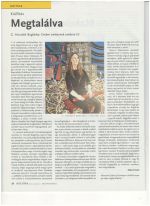
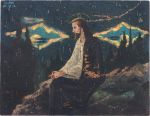
.jpg)


 Kelemen Károly festményei és fényképei hat, 1978 és 2008 között készült sorozat darabjai közül lettek kiválogatva. Ez a kiállítás a jól kitalált rendezőelv erejét példázza. Azt, hogy miként lehet a meglevő műalkotásokat olyan elrendezéssel a nézők elé tárni, amelynek révén


.jpg)